
Last updated November 21, 2026
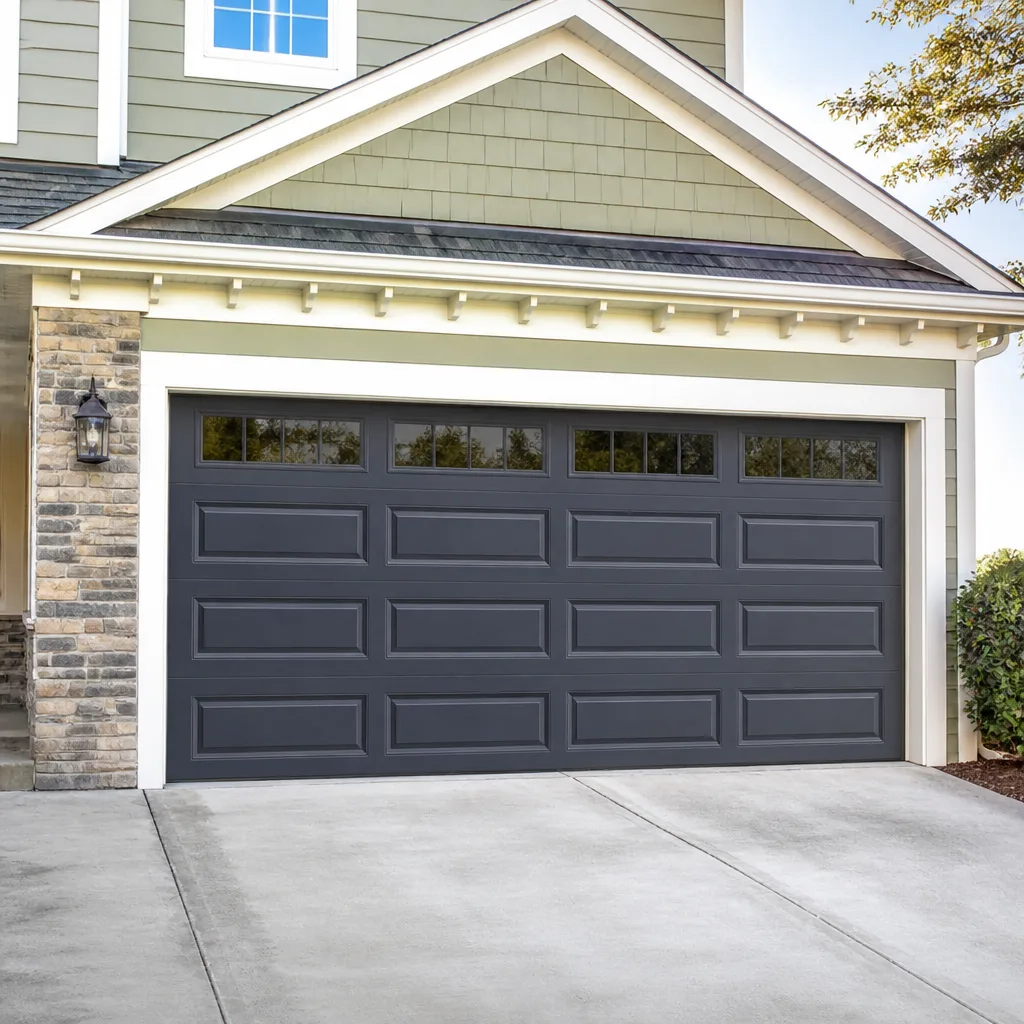 Raised-panel steel
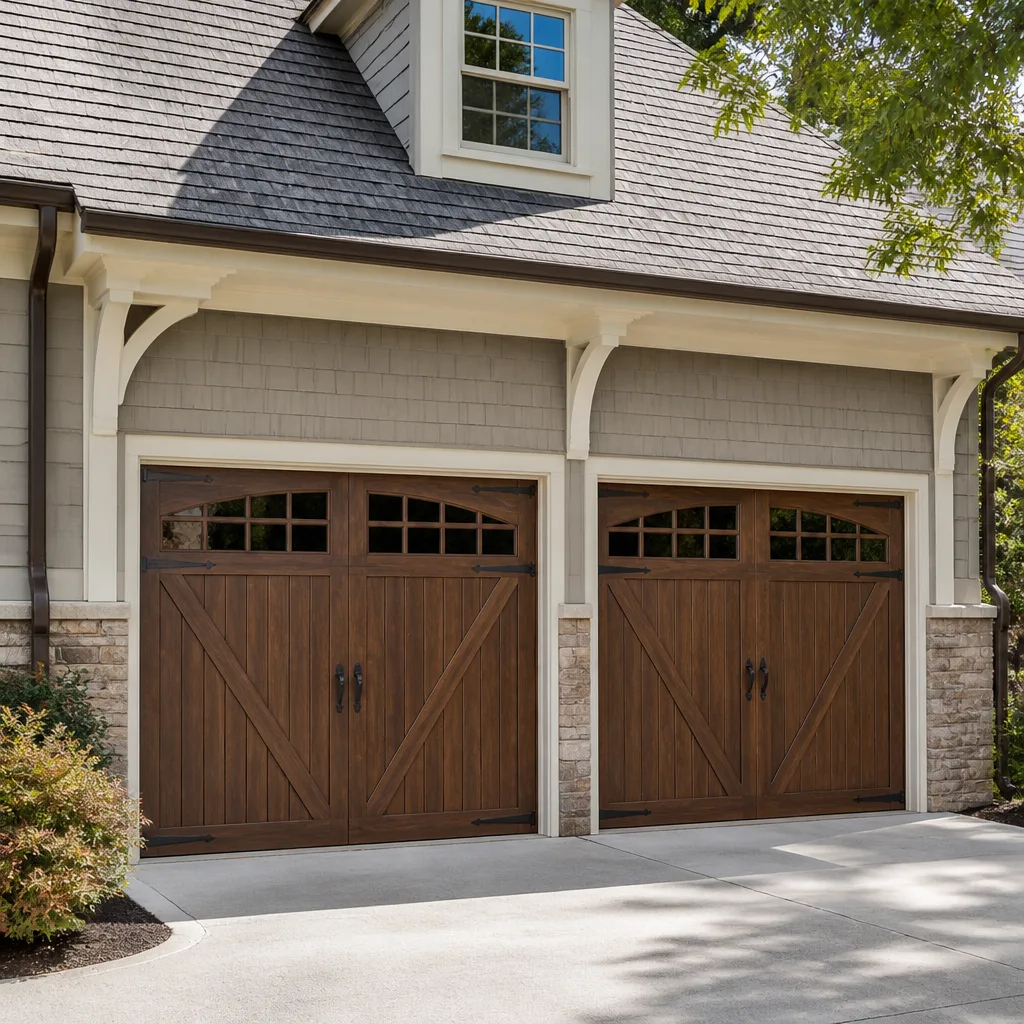 Carriage house
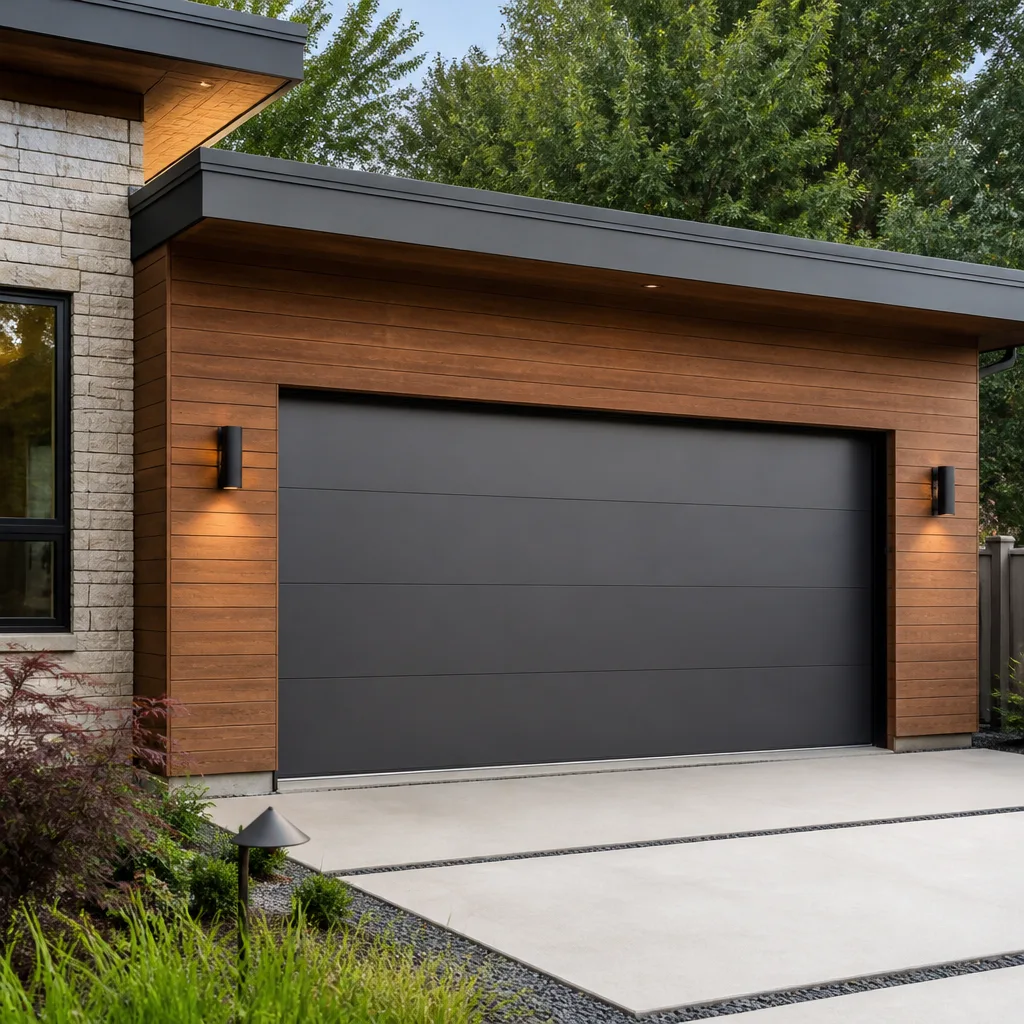 Modern flush
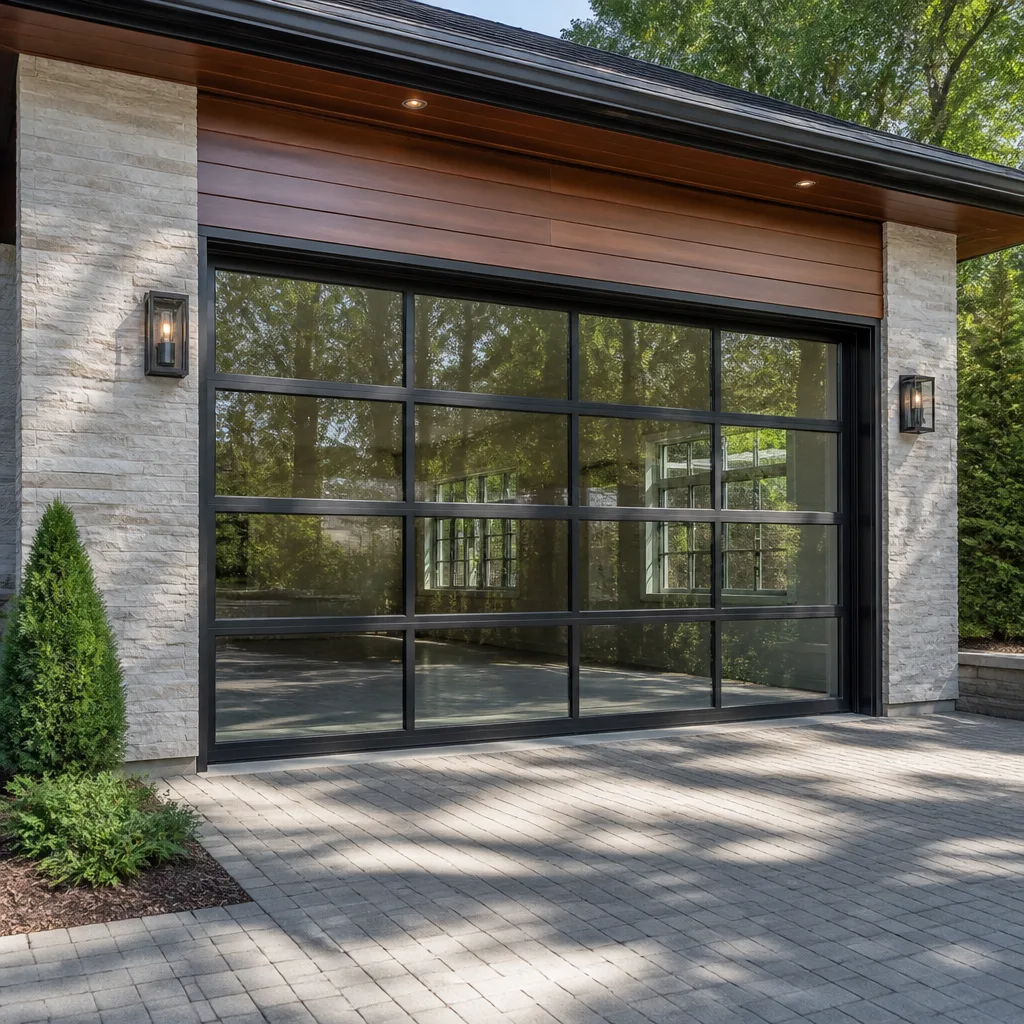 Full-view glass
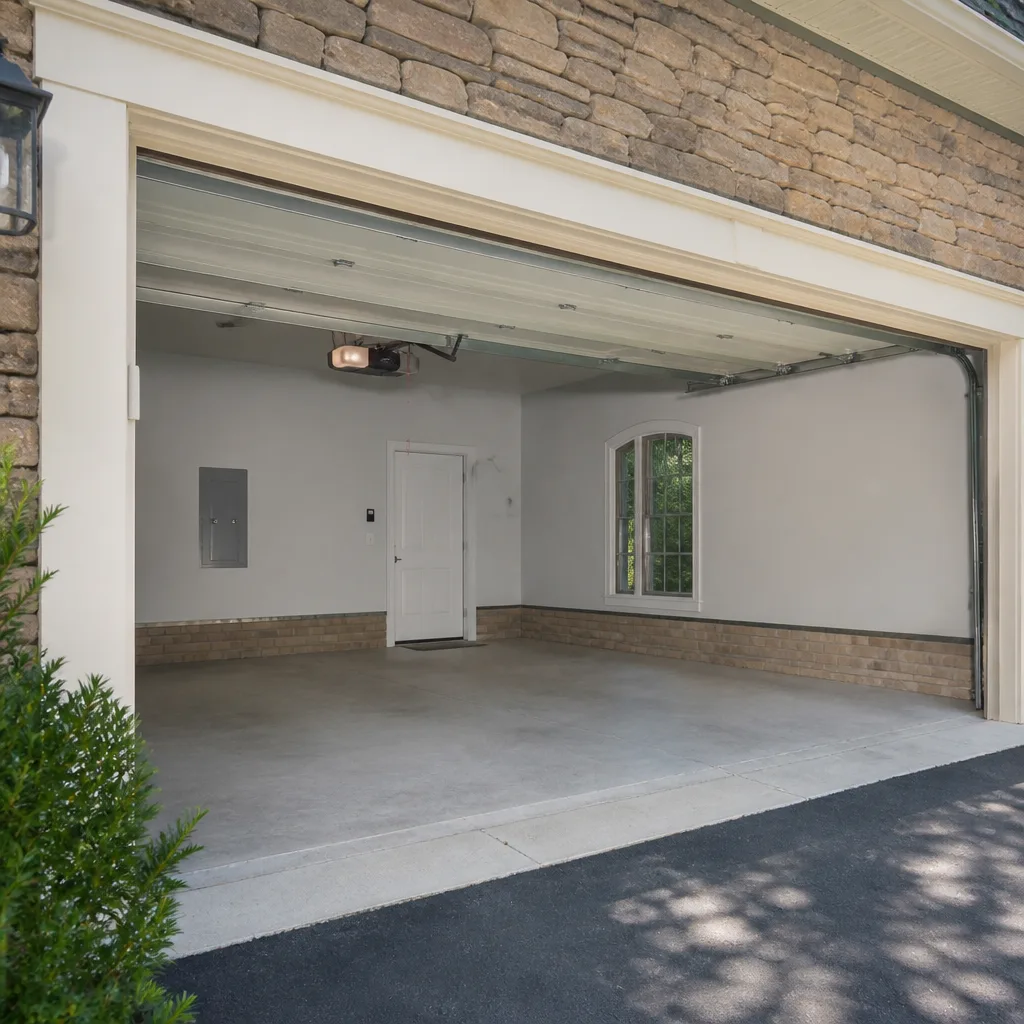 LiftMaster openers
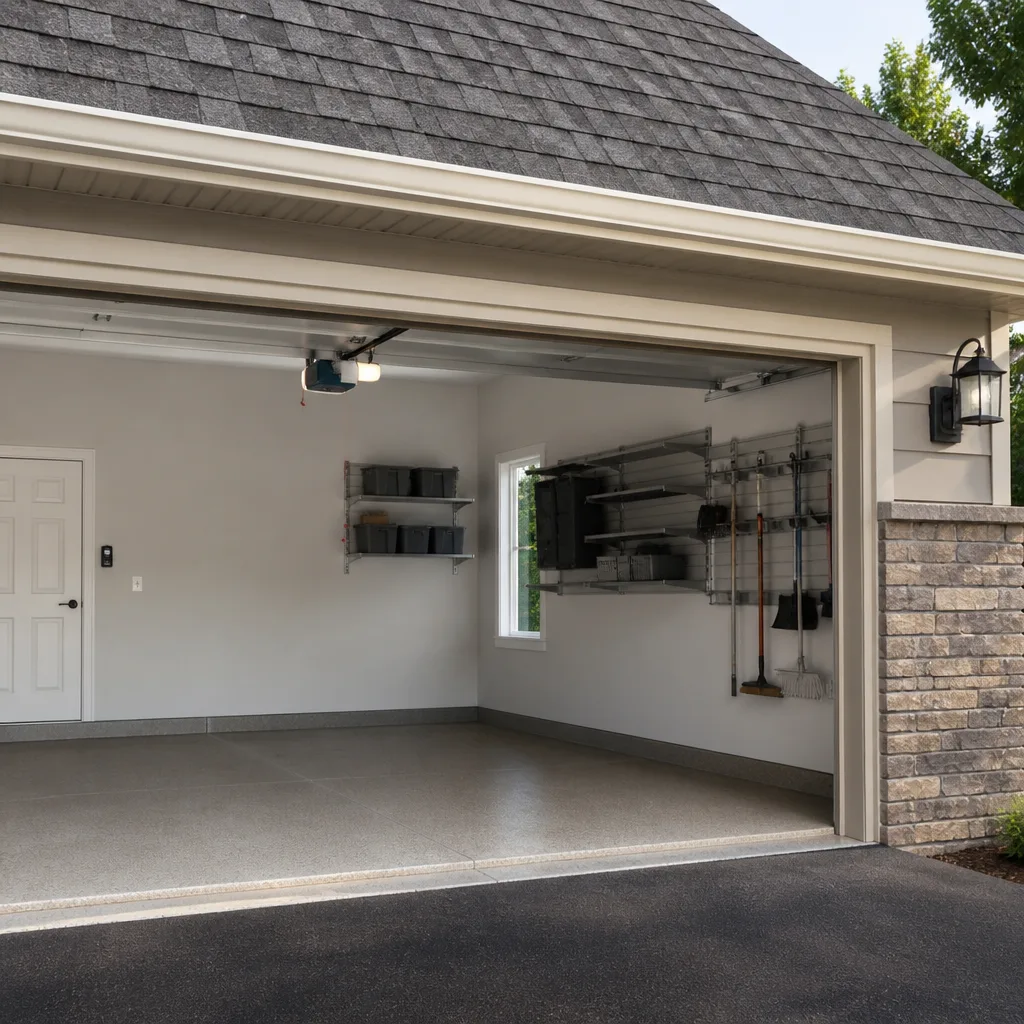 Chamberlain openers
Full 25-point door and opener safety check with every visit - springs, cables, rollers, tracks, and your LiftMaster or Chamberlain opener included
You get a price before we start. It does not change when the pro arrives.
Get your free estimateThe Complete Guide to Garage Doors in Lowell
Most people treat the garage door as background equipment until the morning it refuses to move. Here’s the part that surprises homeowners: it’s the largest moving system in the house, with dozens of parts under constant tension and load, working every single day. When we open up a door on a Lowell colonial or a converted triple-decker, the hardware we find is often original equipment that has quietly outlived its intended service life. This guide maps every component, explains how each one fails, covers how Lowell’s climate and housing stock shape the timeline, and tells you when to repair versus replace.
Quick Answer
A garage door in Lowell usually needs attention because of worn springs, a failed opener, damaged cables, or bent tracks – the same four failures account for most service calls we see. Most problems are repairable the same day, while a worn or structurally damaged door is better replaced than patched repeatedly. The biggest mistake homeowners make is waiting until the door stops working entirely instead of catching the warning signs early.
Styles & brands we work with
- Raised-panel steel
- Carriage house
- Modern flush
- Full-view glass
- LiftMaster openers
- Chamberlain openers
Table of Contents
- Why Lowell Homes Face Specific Garage Door Challenges
- Component-by-Component: What Each Part Does and When It Fails
- Local Climate: Freeze-Thaw Cycles and River Air
- How to Read Your Door’s Serial Number and Label
- Cosmetic Dents vs. Structural Panel Damage
- Warning Signs Your Door Is About to Fail
- Repair or Replace? A Decision Framework
- What We Look For With Eight Major Brands
Why Lowell Homes Face Specific Garage Door Challenges
Lowell isn’t a new-construction market. Much of the housing stock around neighborhoods like Pawtucketville, the Highlands, and Belvidere was built decades before modern torsion spring systems became standard, and many of those garages still run the hardware they were fitted with originally. That matters because older door openings were often framed tighter, with less header clearance above the door and narrower side room than new builds. It changes what fits, how springs get mounted, and how much adjustment a technician has to make when a door comes off its tracks.
Mid-century colonials and capes around the city tend to have standard single-car openings, but the mill-era conversions and triple-deckers frequently present oddities: low ceilings in garages tucked under living space, uneven concrete floors that throw off track alignment, and openings that were modified over the years by previous owners. When we walk into a garage in Lowell, we check clearance and framing before anything else, because the door setup has to match what the structure can support.
A few patterns come up again and again:
- Low header height in garages under a second floor limits how tall a replacement door can be, so measurements matter more than the catalog spec.
- Racked or out-of-plumb openings in older homes push tracks out of alignment and wear rollers faster than in newer construction.
- Original low-tension spring setups that were designed for lighter doors than the insulated panels some homeowners later install – the springs end up undersized for the weight they’re lifting.
None of this means older Lowell homes are badly built. It means the door on the front of them deserves a survey before anyone quotes a replacement, and it’s why a careful measure beats a quick eyeball every time. When the hardware is original and the door has started to fight back, that’s usually a sign to bring in a specialist rather than a generalist contractor who fits doors between other jobs.
Component-by-Component: What Each Part Does and When It Fails
Understanding what lives behind the panels makes every service call clearer, and it makes you a more informed customer. Here’s what each component does, and the failure pattern we see for each.
Springs
The springs carry the door’s weight so the opener only has to move it, not lift it. Torsion springs run on a shaft above the door; extension springs run along the tracks on each side. Springs are rated for a number of open-close cycles, and once that number is spent, the metal fatigues and breaks. The failure is sudden, loud, and usually happens in cold weather. Replacing one spring at a time is false economy – a matched pair is almost always replaced together because a new spring paired with a worn one will fail soon after. Learn more about our garage door spring repair.
Cables
Cables connect the bottom corner of the door to the spring system and keep it level as it travels. They fray, kink, or snap when the door has been running out of balance or when a drum has worn. A snapped cable is a genuine hazard because the door can drop unevenly on one side.
Tracks
The track guides the door through its path. Tracks bend when something strikes the door, when a car nudges into the frame, or when the door comes down on an obstruction. A bent track makes the door bind and strains the opener. Straightening works if the bend is minor; a badly kinked curved section usually gets replaced.
Rollers
Rollers ride inside the track and take a lot of wear. Metal rollers get noisy and flat-spotted; nylon rollers run quieter but wear out. Worn rollers cause the door to drag and jump, and they put extra strain on the opener. They’re inexpensive and worth replacing as a set when they start to rumble.
Openers
The opener is the motor, the drive (belt, chain, or screw), the safety sensors, and the logic board that ties it together. Failures usually show up as erratic movement, a door that reverses for no reason, or a motor that hums without moving the door. Brands like LiftMaster and Craftsman are common on Lowell walls, and knowing a specific model’s quirks saves diagnostic time. See our page on garage door opener repair.
Weatherstripping and Bottom Seals
The bottom seal keeps out water, cold air, and pests, and it flexes against the floor every time the door closes. In a place with real winters, seals crack and flatten fast. A worn seal lets cold air and moisture in, and moisture is the enemy of every steel component in the garage.
Local Climate: Freeze-Thaw Cycles and River Air
Lowell winters are the single biggest factor in garage door wear here. Freeze-thaw cycles are the mechanism to understand. Water gets into seams, gaps under doors, and tiny cracks in seals during a warm afternoon, then freezes overnight, expands, and pries apart joints and gaskets from the inside. Repeat that dozens of times a season and you get cracked bottom seals, popped weatherstripping, and moisture working into the door’s edges.
Cold temperatures also make steel and spring metal more brittle, which is why spring breaks cluster in winter. A tired spring that survives a mild season often fails on the first hard cold snap. Rollers stiffen, lubricant thickens, and the whole system takes more effort to move. If your door starts sounding different in January, that’s why.
River proximity matters too. Lowell sits along the Merrimack, and the river corridor raises humidity in the warmer months. That moisture encourages rust on unpainted steel hardware – hinges, bearings, and track surfaces – and it degrades the seals that protect the door’s edges. It’s not a dramatic effect, but over years it speeds up corrosion on the parts nobody thinks about until they seize. Keeping hinges lubricated and touching up chipped paint on steel doors does real work here, and it’s the kind of maintenance that pays for itself by delaying a bigger repair.
It’s also worth knowing that older homes in Lowell with unheated garages see more condensation than newer, better-sealed ones. That condensation settles on cold metal and is why bearings and springs in some garages look more weathered than their age suggests.
How to Read Your Door’s Serial Number and Label
Before you decide to repair or replace, find out what you’re dealing with. Every manufactured garage door carries a label or sticker that identifies the maker, model, and often a serial number. That information tells a technician a lot, and you can usually find it yourself in about five minutes.
- Look on the inside face of the door. Most manufacturer labels are on the interior side of a panel, near the top or along the hinge line. Clean off dust to read it.
- Check the end stiles and bottom bracket. If the interior sticker is gone, look along the edges – some makers put a label or a stamped mark on the stile or bottom section.
- Note the maker, model, and panel profile. The profile (the shape of the panel) is what tells you whether a matching replacement panel is still available.
- Record the serial number and size. Serial numbers help identify manufacture batches, which matters for older doors where a specific panel color or style may have been discontinued.
Why go through this? Because whether a replacement panel is available drives the repair-or-replace math. If a Wayne Dalton or Raynor door still has panel availability, a single damaged panel can be swapped and you keep the rest of the door. If the model is discontinued and the panels can’t be matched, patching one section leaves a mismatched door – and at that point a full replacement often makes more sense economically. Knowing the model number turns a guessing game into a straight decision.
Cosmetic Dents vs. Structural Panel Damage
Not every dent needs a service call, and confusing a cosmetic dent with structural damage is one of the most common ways homeowners waste money. Here’s how to tell the difference before you pick up the phone.
Cosmetic dents are shallow depressions in the face of a panel with no effect on how the door operates. The door still runs smoothly, seals against the floor, and no crease or crack has formed. Steel doors often get these from a stray ball or a bumped garbage can. They’re an appearance issue, not a safety one, and they can wait.
Structural damage means the panel has lost its integrity or its shape. Look for these signs:
- A crease or sharp fold in the metal, not a rounded dent.
- Separation at the panel seams or hinges, or a panel that’s pulled away from the stile.
- A door that no longer sits level or seal evenly against the floor after an impact.
- Cracks in the panel face or a section that feels loose when you press it.
- Any damage that causes the door to bind, drag, or run unevenly in the track.
If any of those are present, the panel has lost strength and the door should be looked at before it’s run again. A door with structural damage can fail under load, and the whole system – springs, cables, tracks – is put under uneven stress. When in doubt, treat a damage call as a safety question first. For everyday issues that don’t involve structural damage, our garage door repair page covers what a standard visit looks like.
Warning Signs Your Door Is About to Fail
Most failures announce themselves before they happen. Catching the warning early turns a sudden breakdown into a planned repair. Here’s what to listen and look for.
- Loud banging or snapping when the door moves – often a sign of a spring under stress or a loose component.
- The door feels heavy when you lift it by hand (with the opener disconnected) – a sign the springs are losing tension.
- Uneven travel, where one side lags or the door tilts as it moves – usually cables or a track issue.
- Grinding, squealing, or rumbling – worn rollers, dry hinges, or a failing bearing.
- The door reverses on its own or stops partway – safety sensors, opener logic, or a binding track.
- A visible gap at the floor when closed – a worn bottom seal or a door that’s out of alignment.
- Visible rust or corrosion on hinges, springs, or track – common in Lowell’s humid river corridor.
Two of these together usually means it’s time to have the door looked at. One on its own can often wait a short while, but don’t let a list build up – a door with several small problems is one hard cold snap away from a bigger one.
Repair or Replace? A Decision Framework
This is the question that drives most garage door decisions, and there’s a straightforward way to think about it. Run through these in order and the answer usually falls out on its own.
- Is it a single failed part? A broken spring, worn rollers, a bent track section, or a dead opener is repairable and usually the cheapest path. Fix the part, keep the door.
- Is the damage structural? A creased or separated panel that can’t be matched means the door has lost integrity. That leans toward replacement, especially if matching panels aren’t available.
- Is the door outliving its hardware? If you’re calling for a different failure every season, the accumulated repair cost starts to rival replacement. Repeated repairs are a signal, not bad luck.
- Do you want to upgrade? If you’re replacing anyway, an insulated door improves comfort and cuts noise – worth considering in a Lowell garage that shares a wall with living space.
For a single repairable problem, repair is almost always the right answer. When you’re looking at structural damage plus a discontinued model plus a history of repairs, replacement makes more sense – and it means you’re not throwing money at parts that keep failing. Our full installation service covers that path from measurement to final adjustment, and we don’t send you to a different company when it’s time to upgrade. For repair work in general, garage door repair is the place to start.
What We Look For With Eight Major Brands
The brand on your door and opener matters because each one has its own quirks, and knowing them saves time and avoids guesswork. We’re factory-familiar with eight of the most widely installed brands – LiftMaster, Chamberlain, Genie, Clopay, Amarr, Wayne Dalton, Craftsman, and Raynor – which means we work on the brand already on your garage, not a generic approach that treats every door the same.
For openers, LiftMaster and Chamberlain share a lot of internal design, and Craftsman units are common on older homes, so a technician who knows those platforms can often identify a fault from the symptom alone. For doors, Clopay, Amarr, Wayne Dalton, and Raynor each have their own panel profiles and hardware specs. If you have a Wayne Dalton or a Raynor door, knowing the model tells us whether a matching panel is available before we quote a repair. If it’s a Craftsman opener that’s stopped responding, its age and model point straight to the likely cause.
What this practically means for you: when a technician walks into your garage and recognizes the hardware, the job goes faster and the diagnosis is more accurate. That’s the difference between a specialist who sees these brands every week and a generalist meeting your door for the first time. Every service we offer – repair, opener repair, springs, installation, and emergency response – is garage door work, which is why the recognition comes quickly. If the door has stopped moving entirely, that’s when you want the specialist on the line, because Lowell Garage Door Repair treats emergency work as a standing service rather than an afterthought.
Common Mistakes to Avoid
- Replacing one spring instead of the pair. A new spring paired with a worn one will fail soon after, because the older spring is already near the end of its cycle life. Replace the matched pair and the fix holds.
- Confusing a cosmetic dent for structural damage. A shallow dent that doesn’t affect operation can wait, while a creased or separated panel should be looked at before the door runs again. Knowing which is which saves a service call.
- Assuming a discontinued door can be patched. If your model no longer has matching panels available, replacing one section leaves a mismatched door – check the label first so you’re not surprised.
- Ignoring winter warning signs. Lowell’s freeze-thaw cycles put the most stress on springs and seals in the coldest months. A door that starts banging or dragging in January is telling you something.
- Letting several small problems build up. A worn seal, a rumble in the rollers, and a slightly heavy lift add up to a door that’s one cold snap away from a breakdown. Handle them before they compound.
- Calling a generalist for a specialist repair. Springs are one of the most technically demanding and dangerous garage door repairs there is. Handing them to a contractor who does doors on the side is a risk to your door and your safety.
- Skipping lubrication in humid months. The Merrimack corridor raises humidity in summer, and dry hinges and bearings rust and seize faster than you’d expect. A little lubrication goes a long way.
See the difference
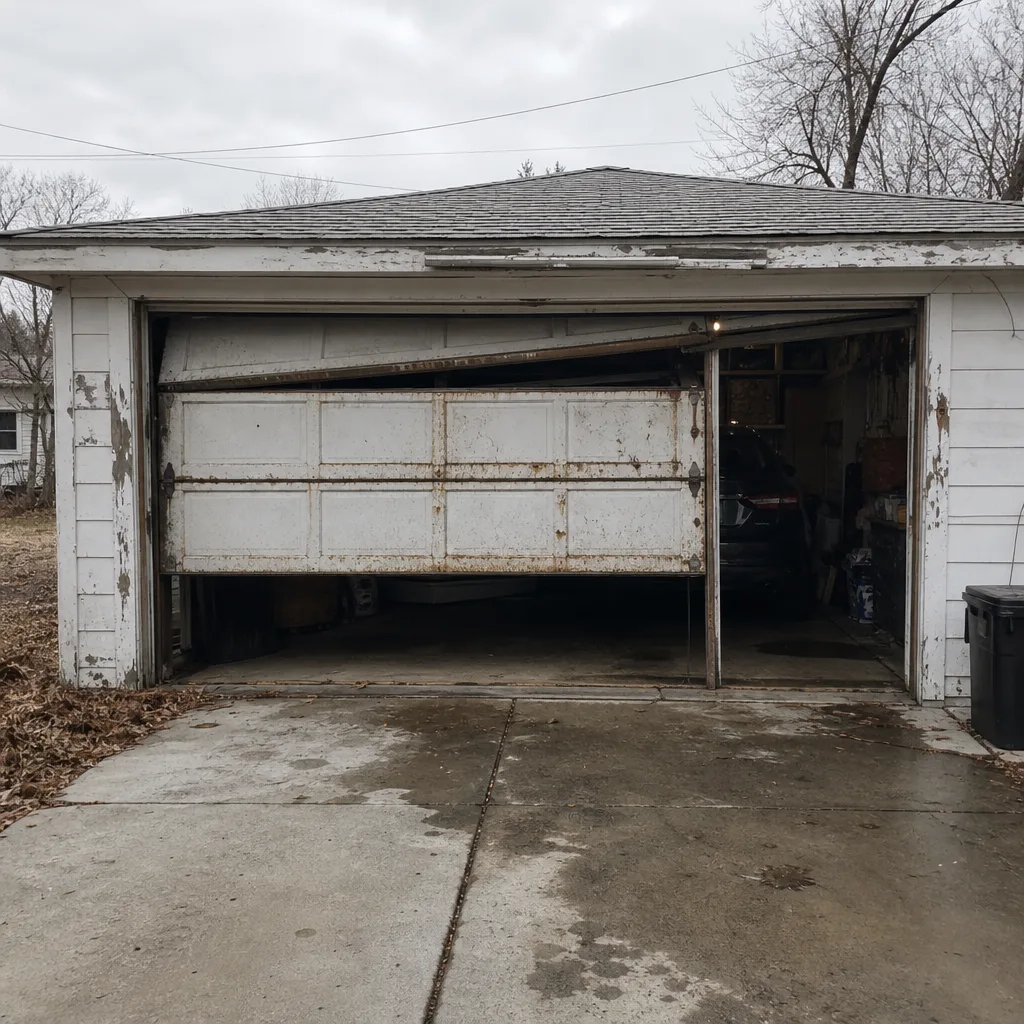 Before
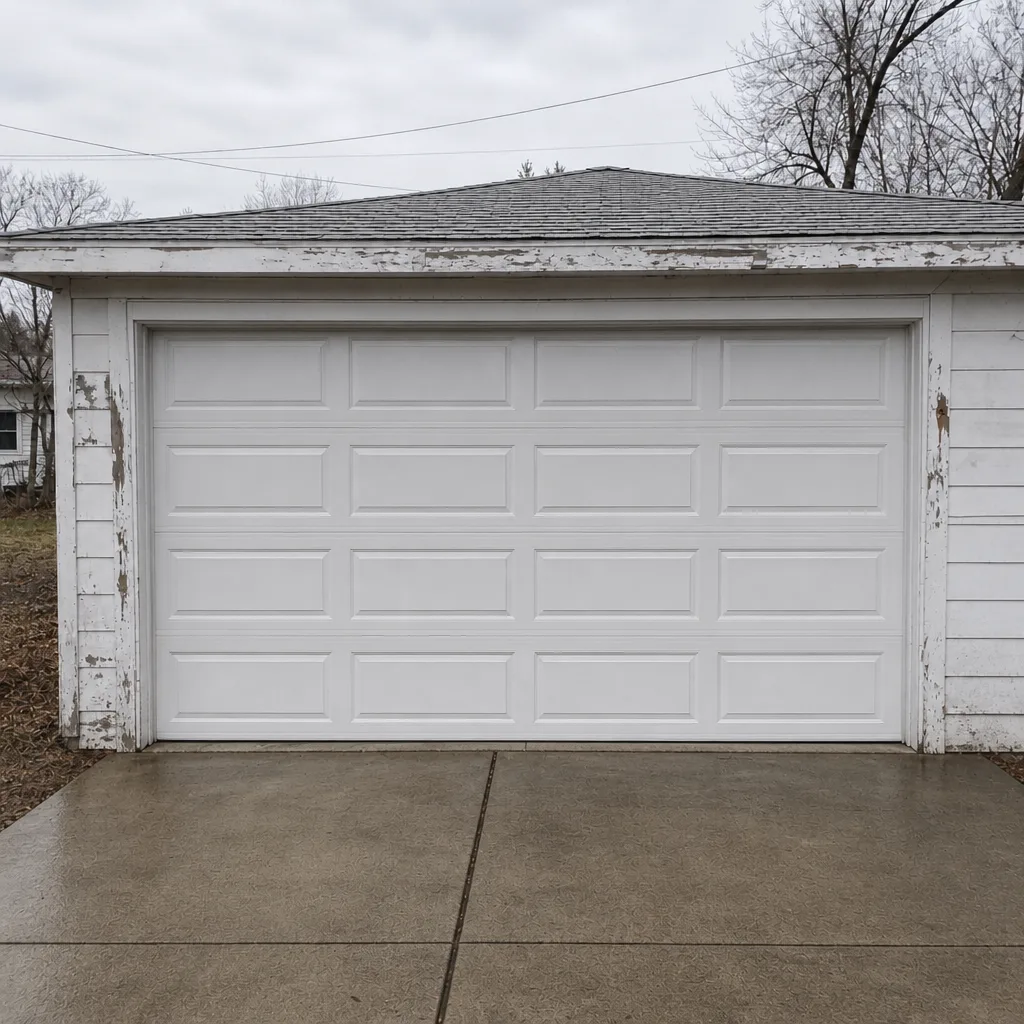 After
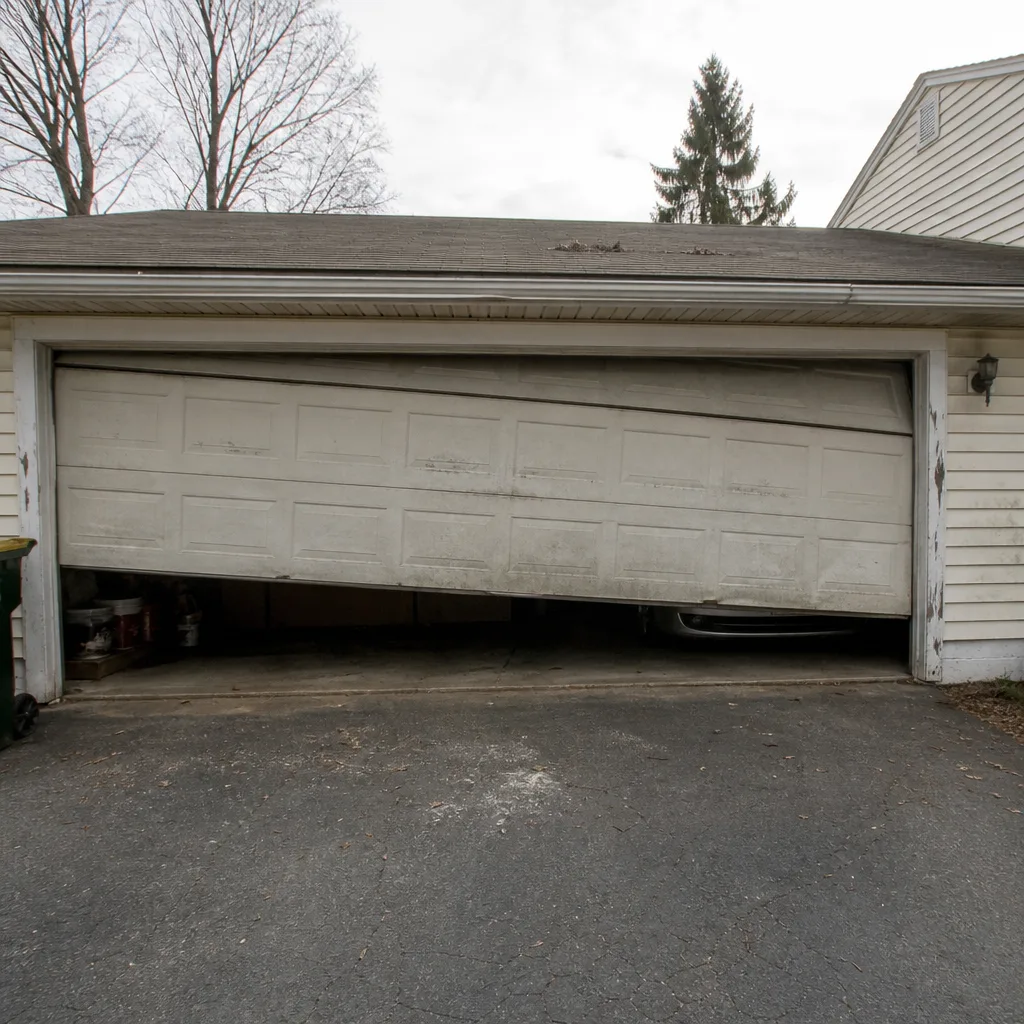 Before
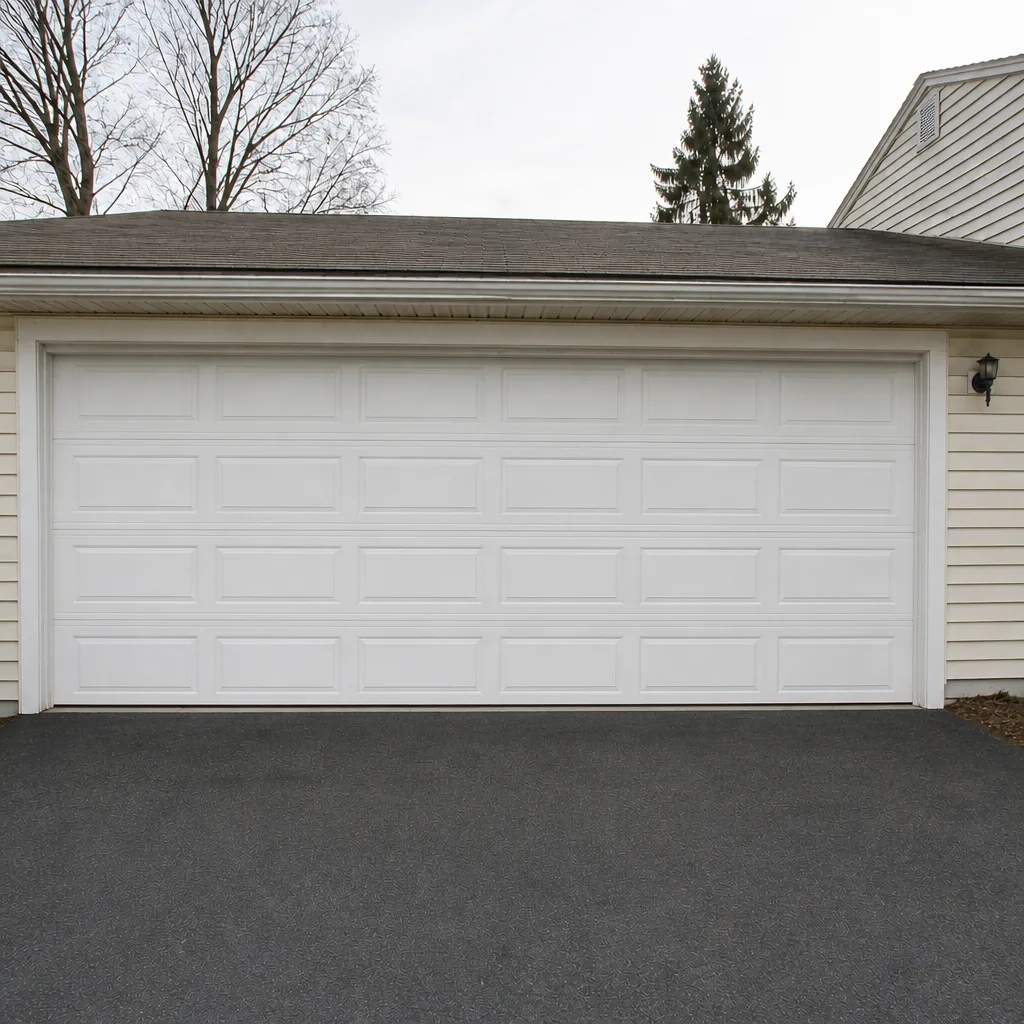 After
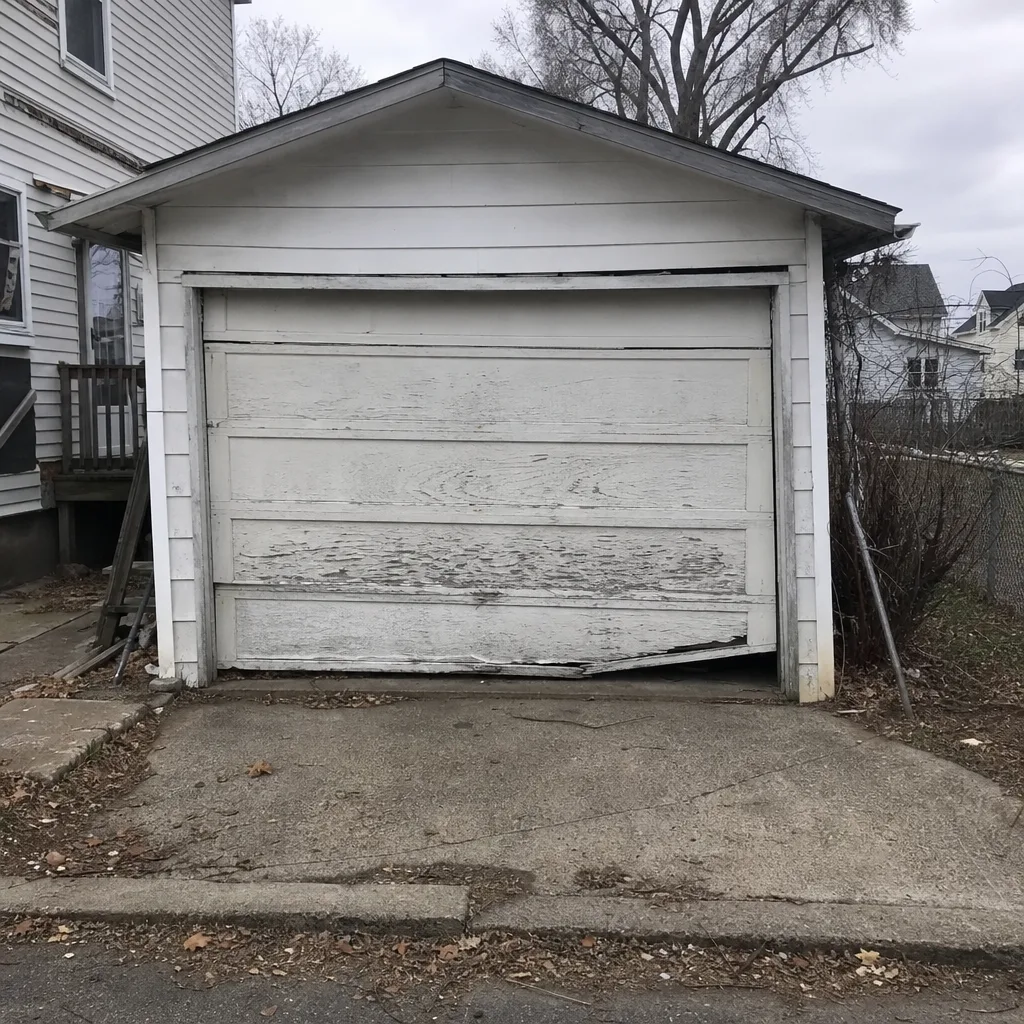 Before
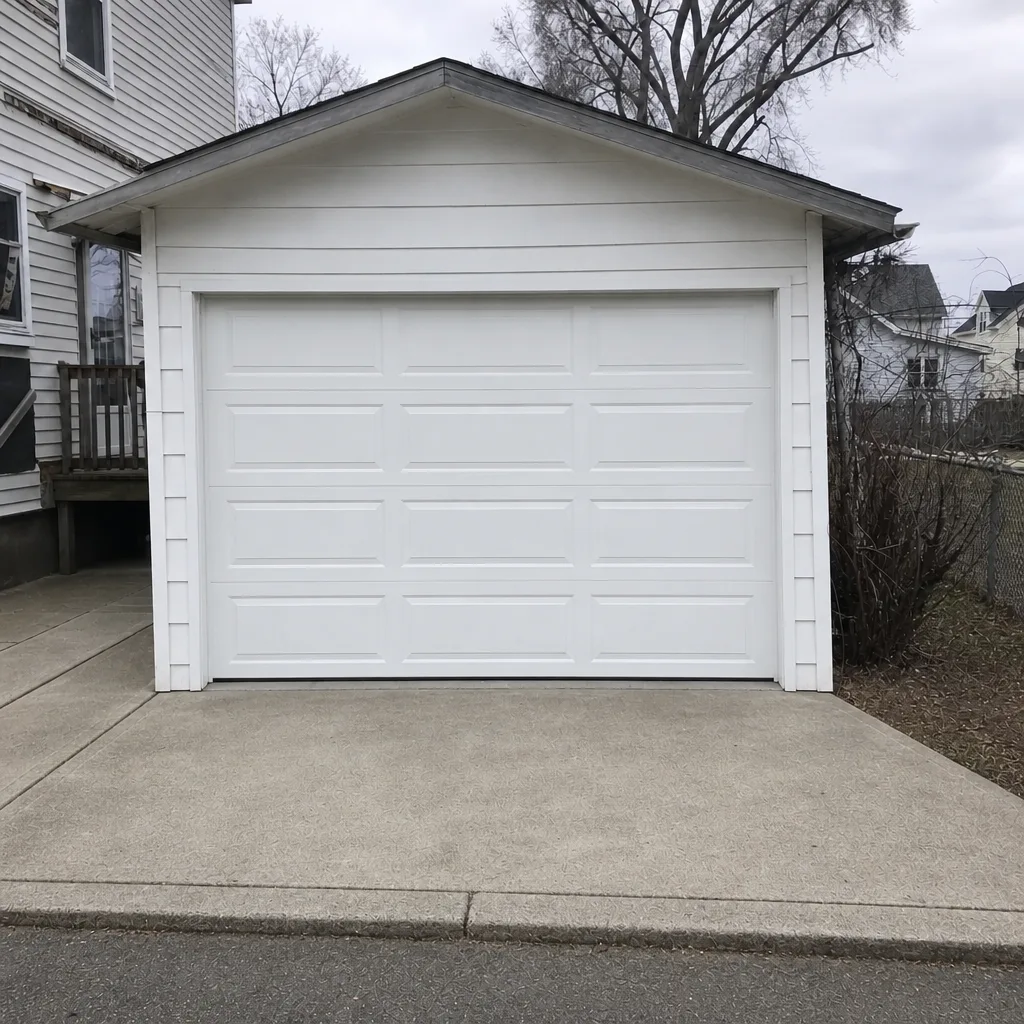 After
When to Call a Professional
Some garage door problems are genuinely dangerous, and springs and cables are the ones to treat with respect. Those parts are under high tension, and the tools and know-how required to release and replace them safely aren’t something a homeowner should improvise. If a spring has snapped, a cable has frayed or broken, or the door has dropped on one side, stop operating it and call a professional. The same goes for any door with structural panel damage, a bent or kinked track, or an opener that reverses without reason – the risk of the door coming down hard is real, and it’s not worth testing. Our technicians have up to 15 years of experience and handle spring repair in-house. Lowell Garage Door Repair offers free estimates in Lowell – call (866) 605-2979. We answer 24/7. Fast dispatch from 7am to 7pm, Sunday through Friday, and same-day repair is often available.
Frequently Asked Questions
Spring repair is priced per job, and the written estimate sets the final price, so we don’t guess at a number before we’ve seen the door. The cost depends on whether it’s a single spring or a matched pair, the door’s weight, and the mounting setup. One thing to know: because a matched pair is usually replaced together, expect a pair to cost roughly twice a single spring. Call (866) 605-2979 for an exact quote – estimates are free.
Same-day repair is often available for a stuck or broken door, and emergency service is a standing part of what we offer. Emergency work is for doors that won’t close, are stuck open, or pose a security or safety risk. Call (866) 605-2979. We answer 24/7. Fast dispatch from 7am to 7pm, Sunday through Friday.
No, the price you agree to before work begins is the price you pay. We quote the job after assessing what’s actually needed, and the written estimate reflects that assessment. You’ll know the cost before any technician starts work, so there are no surprises at the end.
If a single part has failed, repair is almost always the right choice. Structural damage, a history of repeated repairs, or a discontinued model with no matching panels available all point toward replacement. Check your door’s label first – knowing the model helps you decide. When you’re ready to weigh the options, a free estimate makes the math clear.
We’re factory-familiar with eight of the most widely installed brands: LiftMaster, Chamberlain, Genie, Clopay, Amarr, Wayne Dalton, Craftsman, and Raynor. That covers the opener on the wall and the door on the front of most homes, so we work on the hardware that’s actually in your garage rather than treating every door the same. Call (866) 605-2979 if you’re unsure what you have – we can help you identify it.
Cold-weather failures are driven by Lowell’s freeze-thaw cycles. Water seeps into seals and gaps during a warm afternoon, freezes overnight, and expands, which cracks gaskets and pries apart joints. At the same time, cold makes spring metal more brittle, which is why snapped springs cluster in the coldest months. If your door starts sounding different in January, that’s the reason, and it’s worth having it looked at before it fails completely.
The Bottom Line
The garage door is the largest mechanical system in your home, and in Lowell’s older housing stock and real winters, it works harder than most homeowners expect. Springs, cables, tracks, rollers, and openers each fail in predictable ways, and catching the warning signs early makes every repair cheaper and simpler. Read your door’s label before you decide anything, tell a cosmetic dent from structural damage, and don’t let small problems pile up. When a spring snaps, a cable breaks, or the door drops on one side, call a specialist – that’s work worth doing right the first time. From a single repair through a full new-door installation, one company can cover the whole lifecycle.
Ready to get your door looked at? Call Lowell Garage Door Repair at (866) 605-2979 for a free estimate. We answer 24/7. Fast dispatch from 7am to 7pm, Sunday through Friday. Whether it’s a worn spring, a stubborn opener, or a door that needs replacing, we’ll measure it, quote it clearly, and give you a straight answer on what it actually needs.
Written by the team at Lowell Garage Door Repair.