
Last updated November 21, 2026
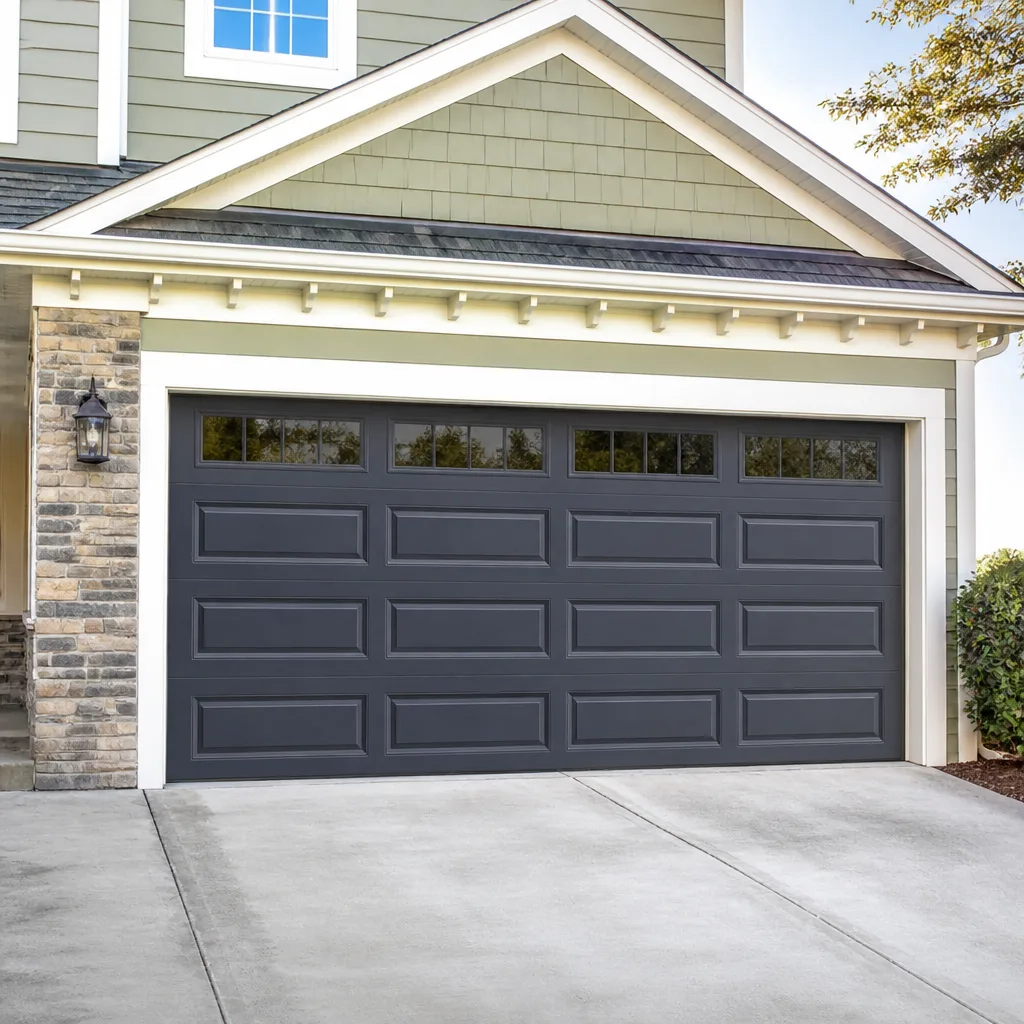 Raised-panel steel
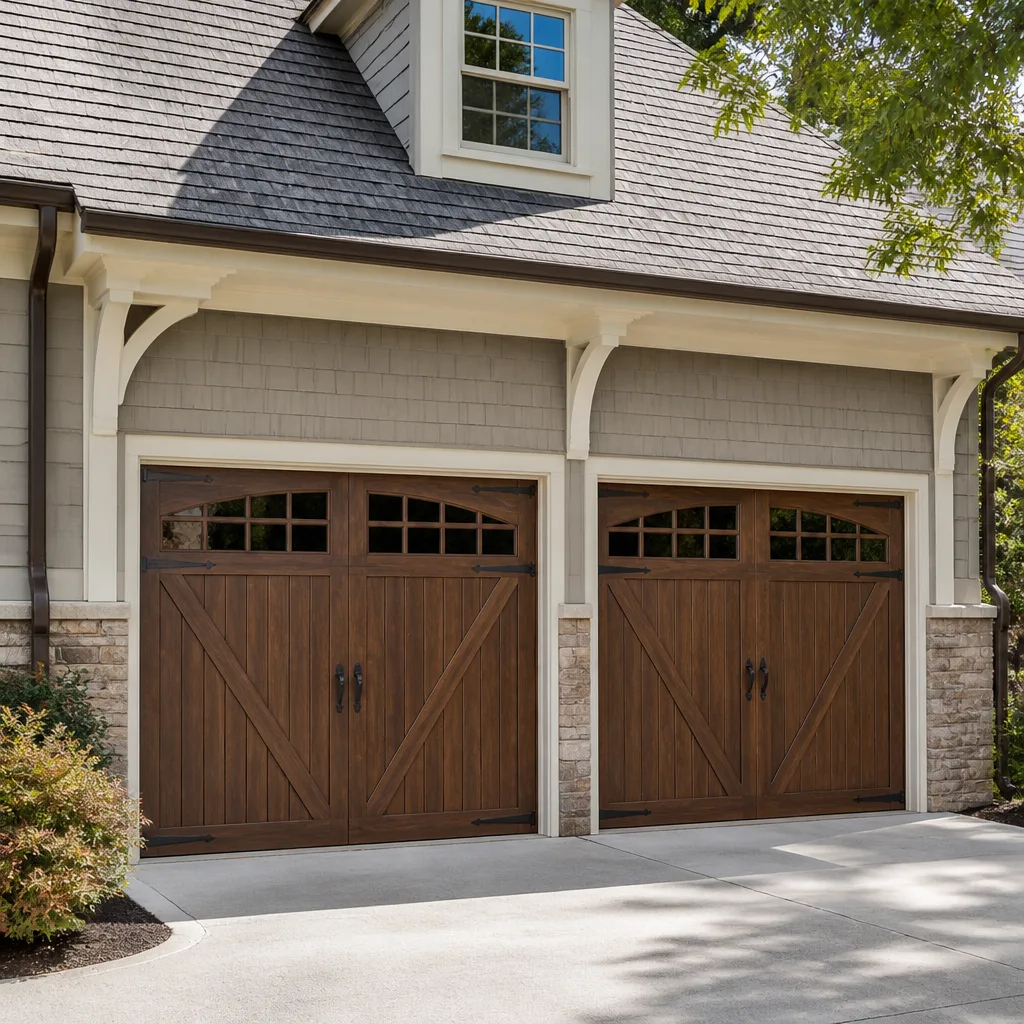 Carriage house
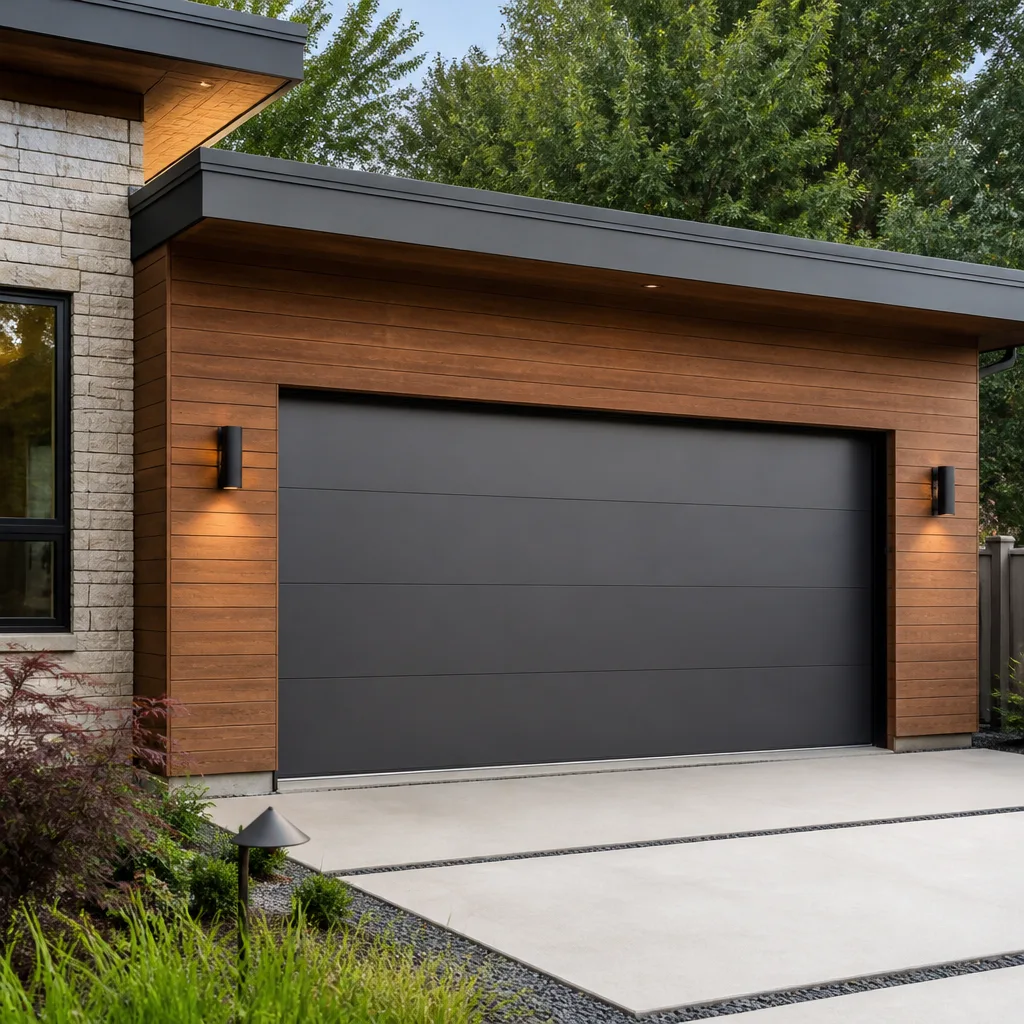 Modern flush
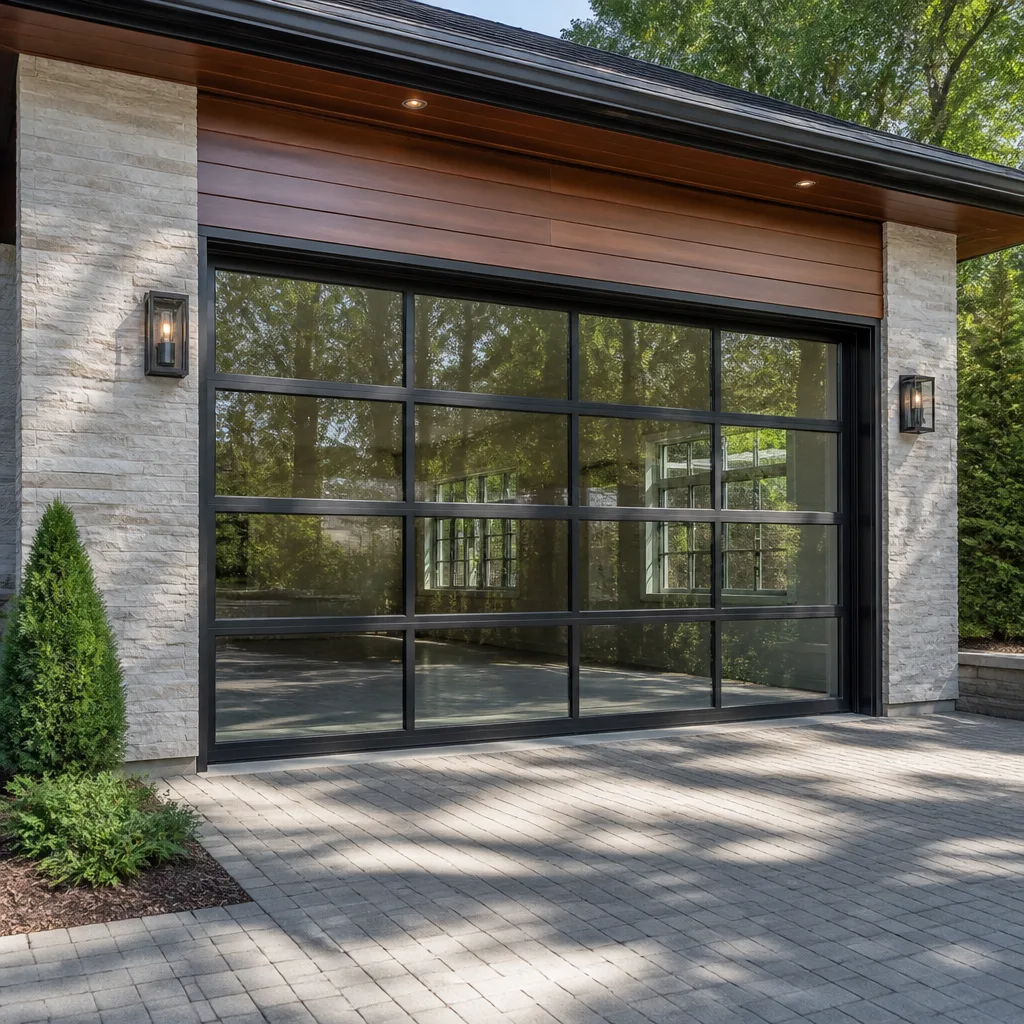 Full-view glass
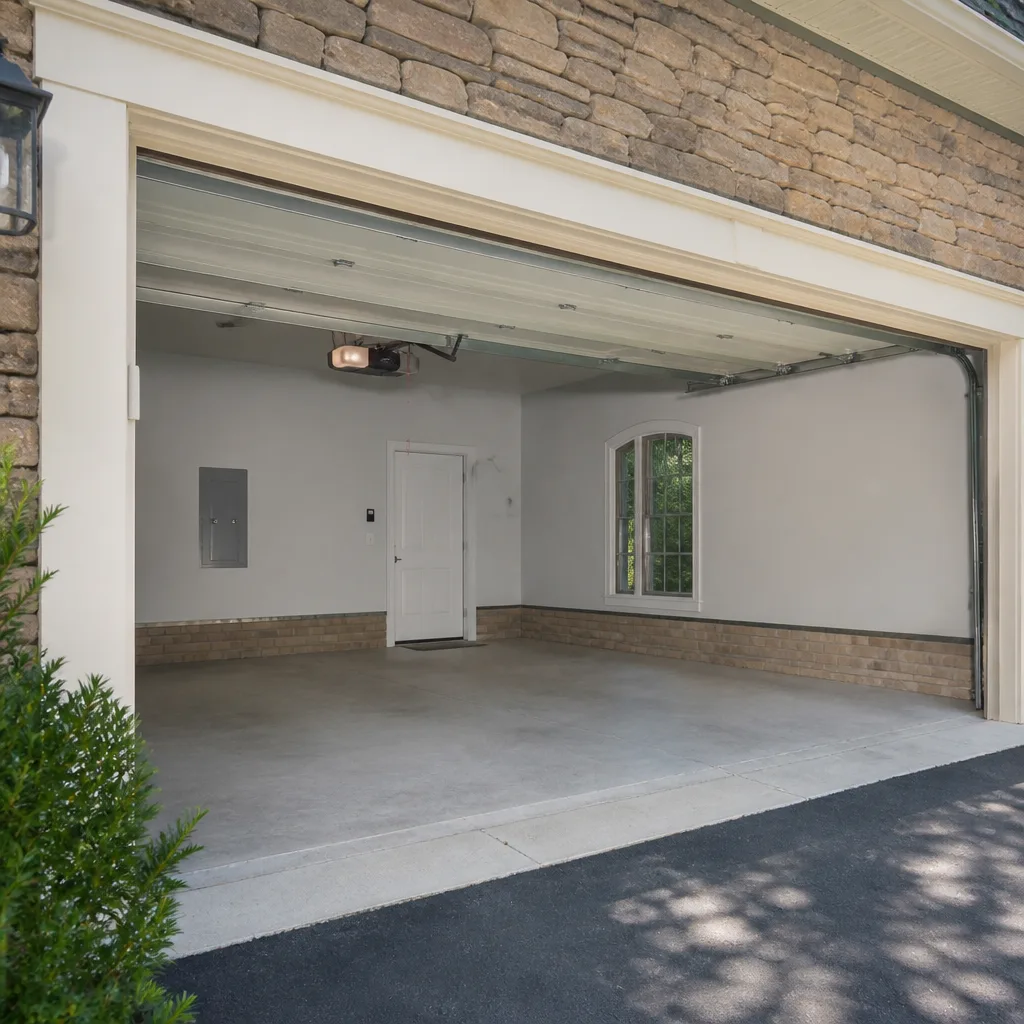 LiftMaster openers
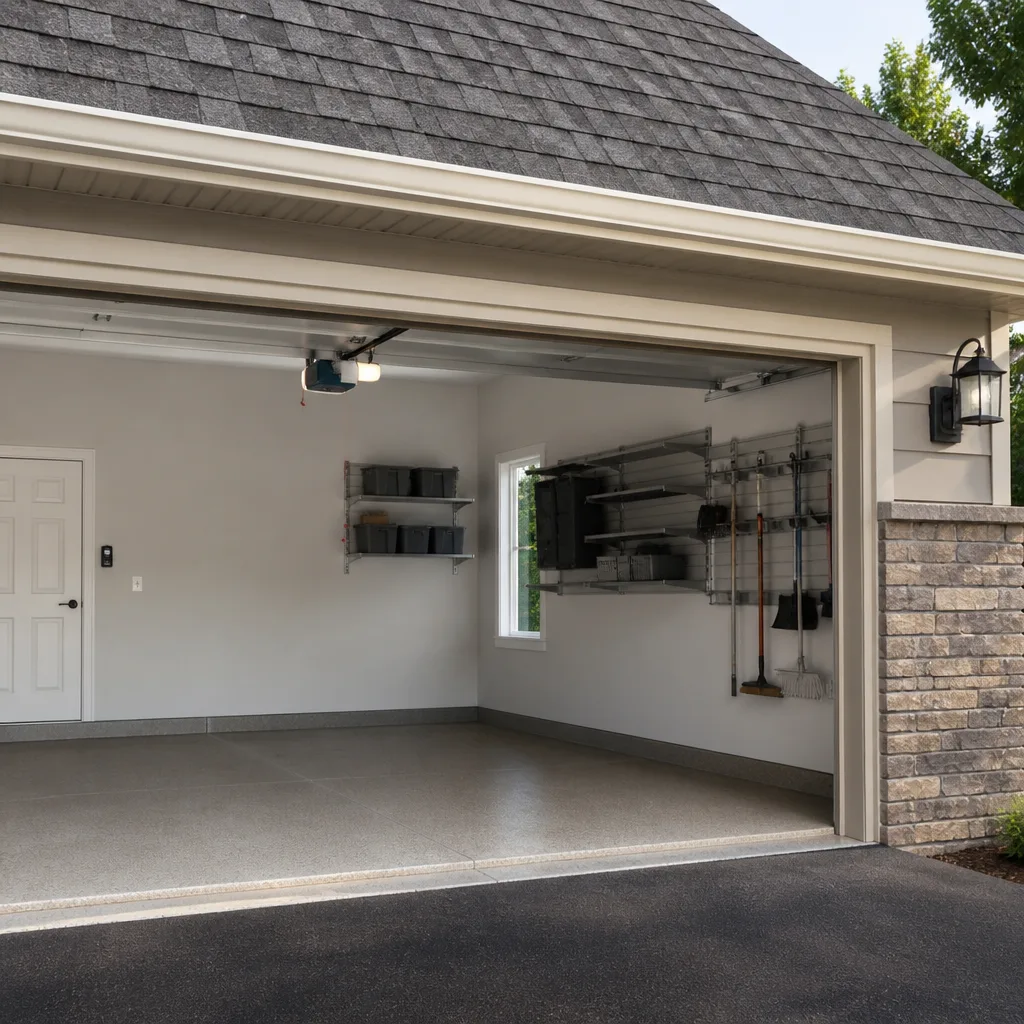 Chamberlain openers
Full 25-point door and opener safety check with every visit - springs, cables, rollers, tracks, and your LiftMaster or Chamberlain opener included
You get a price before we start. It does not change when the pro arrives.
Get your free estimateGarage Door Permits, Codes & Inspections in Lowell, MA: What You Need to Know
Most homeowners in Lowell assume a garage door swap is like replacing a faucet: nobody’s watching, so nobody cares. That’s the misconception worth clearing up first. A straight like-for-like replacement usually doesn’t need a permit. But add a new motorized opener, change the door’s size, or touch the opening’s structure, and the picture changes fast. Massachusetts has a building code with real opinions about garage doors, and Lowell enforces it through its own building department. This guide walks you through what the state code actually says, how Lowell processes a garage door permit, what an inspector looks at, where historic and HOA rules bite, and how unpermitted work resurfaces when you sell. If you’re planning a replacement or an upgrade, read this before you order anything.
Quick Answer
In Lowell, Massachusetts, replacing a garage door with an identical or same-size model generally does not require a building permit. Work that changes the door’s size, adds or replaces a motorized opener on a door wider than 10 feet, or alters the structural opening usually does require one under the Massachusetts State Building Code (780 CMR). Permit turnaround in Lowell typically runs a few business days to a couple of weeks depending on the department’s workload, and the inspection checks safety hardware, anchorage, and the door’s compliance with the approved plan. Always confirm the specific scope with Lowell’s building department before work begins.
Styles & brands we work with
- Raised-panel steel
- Carriage house
- Modern flush
- Full-view glass
- LiftMaster openers
- Chamberlain openers
Table of Contents
- What Massachusetts Code (780 CMR) Says About Garage Doors
- When You Actually Need a Permit in Lowell
- How Lowell Processes a Garage Door Permit
- What an Inspection Actually Involves
- What “Like-for-Like Replacement” Really Means
- Historic Districts and HOA Overlays Around the Acre and Canal District
- How Unpermitted Work Surfaces at Resale
- How Lowell’s Climate Affects Door and Opener Performance
What Massachusetts Code (780 CMR) Says About Garage Doors
The Massachusetts State Building Code, known as 780 CMR, adopts the International Residential Code with amendments, and it treats a garage door as part of the building envelope and a potential safety component. That’s the reason a simple residential door isn’t automatically exempt from oversight. The code cares about three things: the door’s structural attachment to the opening, the safety features that keep people from being crushed, and how the door interacts with the garage’s weather envelope and fire separation.
For homeowners, the practical upshot is this: any work that changes the door’s dimensions or the headroom and jamb conditions it’s mounted to is structural enough to require review. Adding automation on a wide door raises mechanical and electrical questions the code addresses. Swapping one door for an identical one doesn’t disturb any of that, which is why like-for-like replacement usually stays out of the permitting stream.
We’re familiar with the code because we work inside it, not because we interpret it for you. The authority that decides whether your specific job needs a permit is Lowell’s building department. Two identical-looking jobs on the same street can land on opposite sides of that line depending on size, opener, and framing. Our role at Lowell Garage Door Repair is to install and repair to code, and to tell you when a job needs to go through the department first.
When You Actually Need a Permit in Lowell
The permit question comes down to whether your job changes the doorway or just the door. Think of it that way and the thresholds make sense.
Work that generally does not require a permit
- Replacing a door with the same size and same type, mounted to the existing opening and hardware.
- Replacing springs, cables, rollers, hinges, or weather seal.
- Repairing or replacing a damaged panel with a matching panel.
- Servicing or like-for-like replacing an existing opener with the same unit type.
Work that usually triggers a permit or review
- Changing the door’s width or height, or widening the rough opening.
- Installing a new motorized opener where none existed before, particularly on a door wider than 10 feet. That width threshold covers most two-car garages, which is why this one catches people off guard.
- Converting a garage to living space, or adding a door where the opening was framed in.
- Altering header, jamb, or structural framing to fit a new door.
The single-car versus two-car distinction matters here. A 9-foot door often sits below the attention threshold. A 16-foot two-car door very frequently sits above it. If you’re unsure which side of the line your project falls on, call Lowell’s building department directly. That’s a five-minute call that saves you a much longer headache.
How Lowell Processes a Garage Door Permit
Lowell’s building department runs permits through its inspectional services office. The process for a garage door or opener is fairly light compared to a deck or an addition, but it isn’t automatic. Here’s the general flow:
- Call or check the department’s permitting page to confirm your scope needs a permit and what documentation they want. Confirm before you schedule any work.
- Submit the application with a description of the work, the door and opener specifications, and the contractor’s information if a licensed tradesperson is filing on your behalf.
- Pay the permit fee based on the project’s scope. The department sets the fee scale.
- Wait for review. Simple residential applications typically move within a few business days to a couple of weeks, though timelines stretch when the department is busy.
- Get the permit issued and post it on the job as required.
- Schedule the inspection after the work is done, or at intermediate points if the department asks for them.
Two practical notes we’ve learned by watching jobs in Lowell. First, don’t order a custom door before the permit’s approved if the door size or opening is changing, since inspectors compare what’s installed against what was approved. Second, keep the permit paperwork with your home records even after the inspection. It becomes an asset when you sell.
What an Inspection Actually Involves
Homeowners worry the inspection is a trap. It’s usually a quick, focused walkthrough by a city inspector who verifies that the work matches what was permitted and that the door’s safety hardware is present and functioning. Here’s what an inspector typically checks:
- Size and installation match the permit. The door width, height, and model correspond to the approved application.
- Anchorage. Tracks and brackets are fastened to framing, not just drywall or trim.
- Safety hardware. Cables, springs, and bottom brackets are the correct type for the door’s weight, and no bare springs are exposed.
- Opener safety features. The opener has a working auto-reverse, and the photoelectric safety sensors are installed, aligned, and functional.
- Reversal testing on the spot. The inspector or the tech demonstrates that the door reverses when an obstruction is applied.
- Clearances. The door’s path clears obstructions, and the garage’s fire separation (where required) is intact around the opening.
We’ve found that jobs that go smoothly at inspection are the ones where the tech and the homeowner agreed on scope before ordering. If your inspector flags something, the fix is usually a hardware adjustment or a documentation correction rather than a rebuild.
What “Like-for-Like Replacement” Really Means
This phrase does a lot of quiet work in the Massachusetts code, and it’s the crux of most permit questions. A like-for-like replacement swaps a door for one that matches in size, type, mounting, and operation. Change any of those things and you’re no longer replacing: you’re modifying. And modifications are what permits exist to track.
The four things that count as “like-for-like”
- Same dimensions. Width and height matching the existing opening.
- Same operation. Manual stays manual, or an existing automated system is serviced, not newly added.
- Same mounting. The door installs on the existing tracks and framing without adjustment.
- Same type. Sectional steel for sectional steel, wood for wood, roll-up for roll-up.
Change one of those and the picture shifts. A homeowner upsizing from a single to a double door is doing structural framing work, not replacement. Someone adding an opener to a door that was previously operated by hand is adding a mechanical and electrical system. Upsizing to a heavier-grade insulated door, or moving from a low-headroom to a standard-track setup, changes the load and mounting enough that a permit review is prudent. If your replacement is truly like-for-like, buy the same size door, install it on the existing track setup, and skip the permit process. If it isn’t, don’t skip it.
Historic Districts and HOA Overlays Around the Acre and Canal District
Lowell’s historic districts and neighborhood overlays add a layer the building code doesn’t. If your home sits in or near the Acre or the Canal District, architectural review standards may restrict door style, color, window placement, and panel design. Those overlays aren’t enforced by the building department; they’re enforced by the historic or design review authority for the district, and they can override what the building department is willing to permit.
What that means in practice:
- Check the overlay before ordering. A modern carriage-style door with decorative hardware might not pass review in a historic district even if it’s code-compliant. Confirm style and color in writing.
- Approval takes longer. Design review meetings often run on a monthly or biweekly cycle, which can add weeks to a replacement timeline.
- Most HOAs and overlays want specific documentation. Submit the door’s specification sheet, a photo of your current door, and a rendering or manufacturer image of the new one.
- When in doubt, propose conservative. Replacing with the same style and a similar color usually sails through. Radical style changes draw the most scrutiny.
Homeowners in the Acre who’ve called us after buying a door onsite discovered this the hard way. Confirm style before the door goes into production. It’s the least expensive place to catch a problem.
How Unpermitted Work Surfaces at Resale
Unpermitted garage work is quiet until it isn’t. It surfaces at the moment of highest stress: the home sale, during the title search or the buyer’s inspection. A buyer’s inspector who notices the garage door was recently replaced, or that an opener was added where the documentation shows a manual door, will flag it. The municipality’s permit records don’t lie, and title insurers take an interest in open permits.
What does remediation look like?
- Pull a retroactive permit. Lowell’s building department can issue one for existing work, with a review and inspection. It’s not free, and it’s not instant, but it’s cheaper than a delay in closing.
- Correct non-compliant work. If the inspection finds safety hardware missing or an opener without functioning sensors, those get fixed before the permit sign-off.
- Document the correction. Keep the inspection report and final sign-off in your home records so the next buyer sees a clean paper trail.
We’ve walked homeowners through this scenario more than once, and the message is always the same: unpermitted work costs far more at resale than a permit costs at install. When you plan a replacement with us, we’ll tell you upfront if the scope needs the department. That’s part of the job.
How Lowell’s Climate Affects Door and Opener Performance
Lowell’s winters are hard on garage doors in ways coastal or southern homes never see. Cold snaps weaken springs, and freeze-thaw cycles push frost into tracks and seals. Snow load and ice can pack under a door that doesn’t close tightly, and a sticky track in February can strand a car in the driveway.
From a code and inspection angle, this matters because the safety hardware inspections focus on isn’t just theoretical in Lowell. Springs that have weakened from cold-season cycling demand replacement before they break. Opener force settings get readjusted as the door stiffens in winter, and photoelectric sensors need clear sight lines that snowbanks don’t block. A properly installed door with the correct rated hardware, inspected for code compliance, holds up better than a door slapped onto an old track with an overpowered opener. That’s the practical case for doing the permitting work right: the inspection verifies the safety features that keep the door working through a Lowell winter.
Common Mistakes to Avoid
- Assuming no permit is needed because you’re “just replacing” the door. If the size, opener, or framing changes, the job isn’t a like-for-like replacement and probably needs one. Verify before ordering.
- Ordering the door before the permit is approved. Inspectors compare the installed door against the approved plans, and a size or model mismatch means re-approval or re-ordering.
- Skipping the historic district review in the Acre or Canal District. Style and color overlays can override what the building department will approve, and design review adds weeks to the timeline.
- Adding an opener to a wide door without checking the size threshold. The 10-foot line catches many two-car garage installations, and many contractors never mention it.
- Ignoring the old permit history on a home you just bought. If an opener or door was installed by the previous owner without documents, the record exposure becomes yours when you sell.
- Letting safety hardware slide because the inspector didn’t look. Springs, cables, and sensors keep your family safe in the cold, whether or not a formal inspection catches them.
- Filing a permit with a vague scope description. “Replace garage door” on the application allows the inspector to challenge anything they interpret as outside that narrow scope.
See the difference
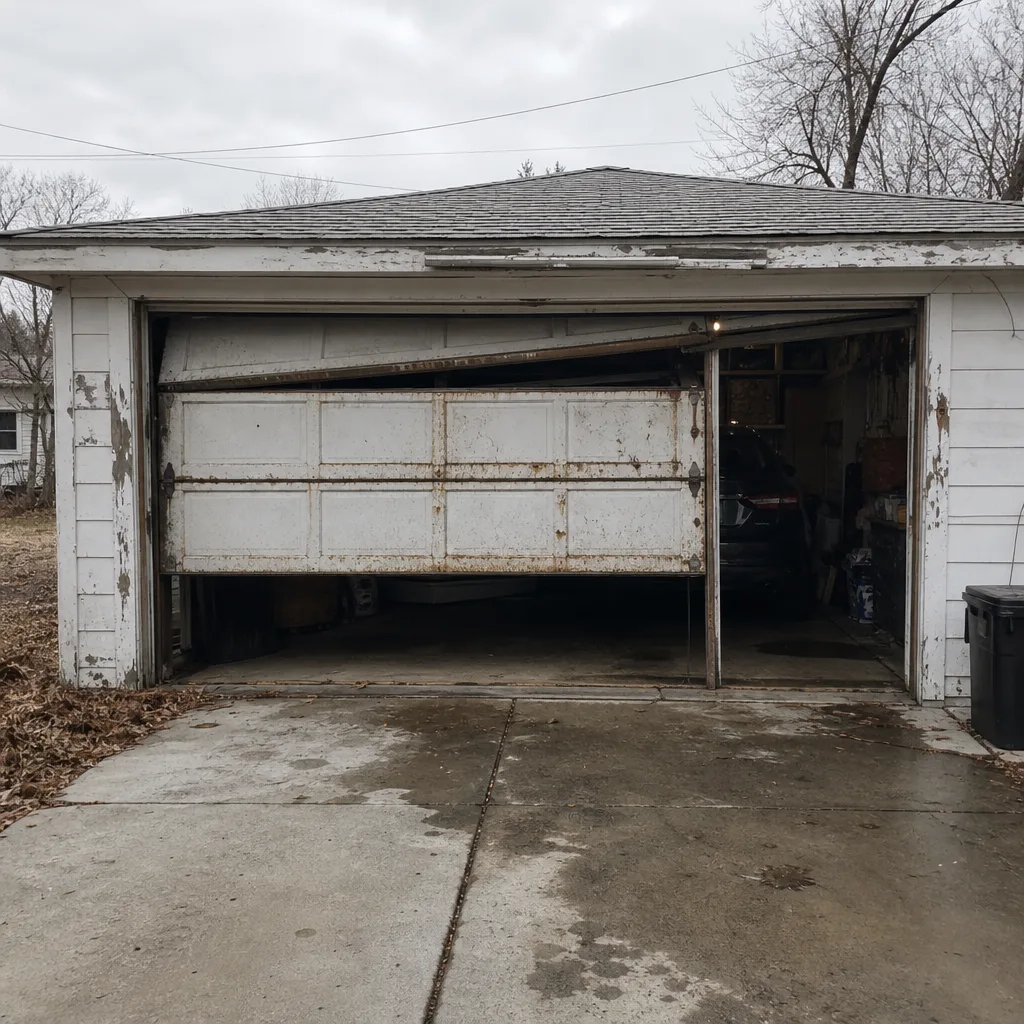 Before
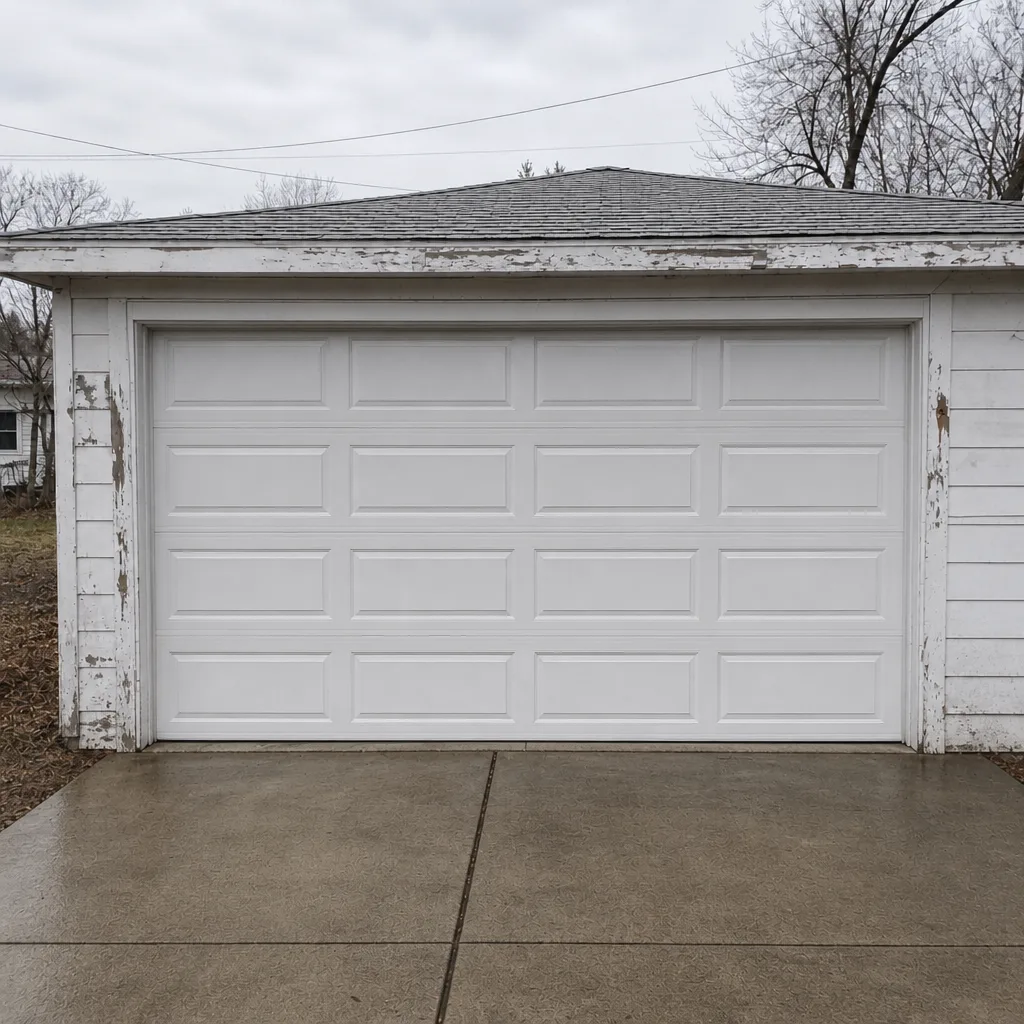 After
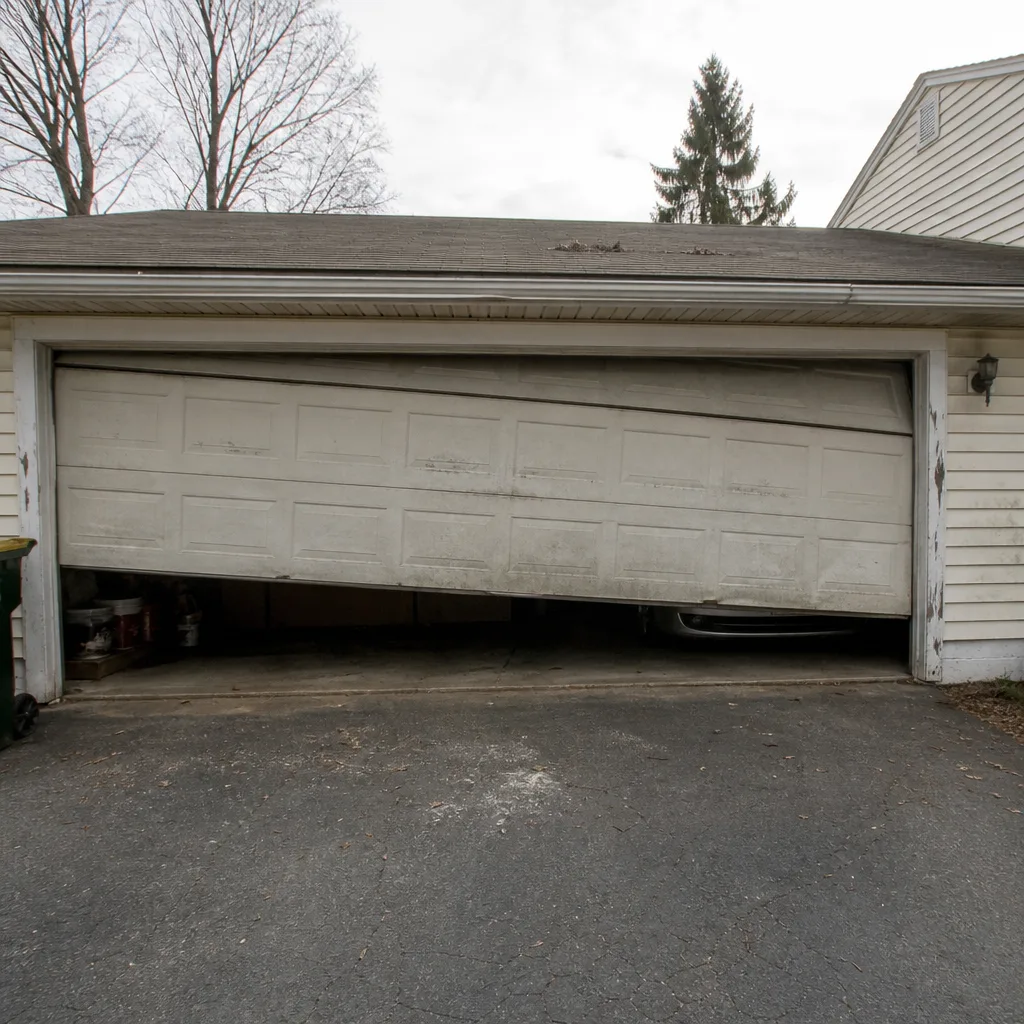 Before
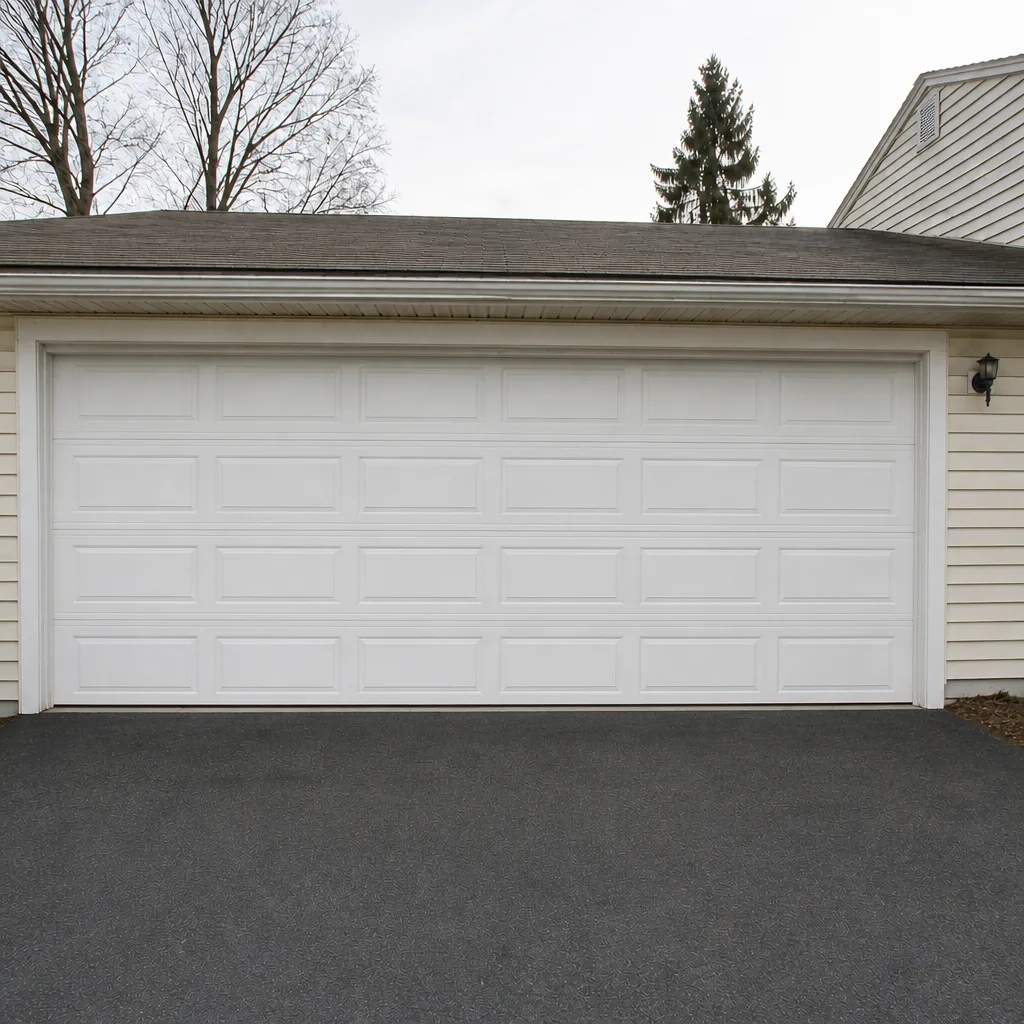 After
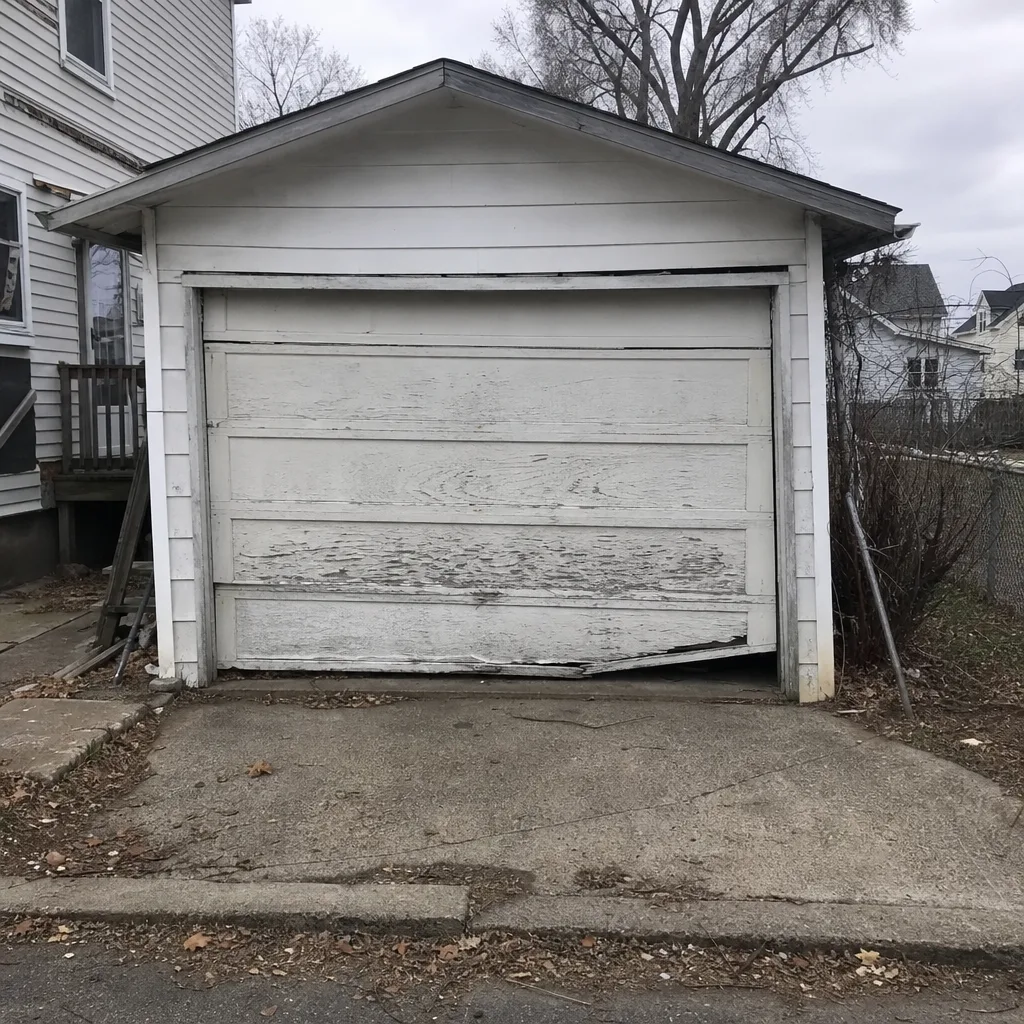 Before
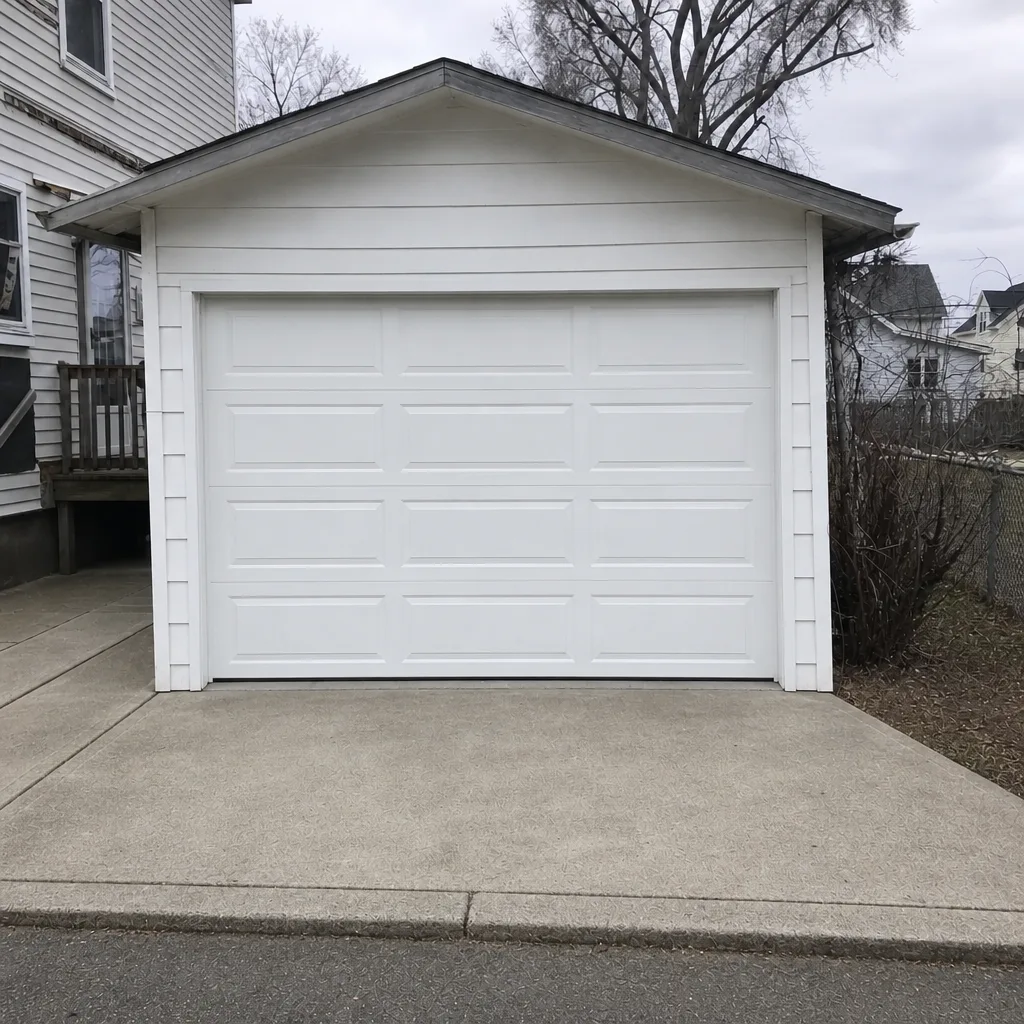 After
When to Call a Professional
Most permit discussions are easiest to have before the door is ordered. If you’re planning a replacement, an upgrade, a new opener, or any framing change around the opening, call a professional first so the scope can be nailed down while there’s still time to file. Call us if the door is sagging, the opener is struggling, the tracks are misaligned, or you’re looking at a stuck door that needs same-day attention. We handle garage door repair and garage door opener repair with the brand already in your garage in mind, and we’ll tell you plainly whether the job needs a permit. Lowell Garage Door Repair offers free estimates in Lowell – call (866) 605-2979. We answer 24/7. Fast dispatch from 7am to 7pm, Sunday through Friday.
Frequently Asked Questions
Usually not, if the door is a genuine like-for-like replacement with the same size and operation. You generally do need one when the door’s dimensions change, when a new motorized opener is added on a wide door, or when the opening’s framing is altered. Call Lowell’s building department to confirm your specific scope, and call (866) 605-2979 for a free estimate on the work itself.
Doors wider than 10 feet, which covers most two-car garages, are the size range most likely to trigger permit review when a new motorized opener is installed. Single-car doors under that width often stay out of the permitting stream. Your building department makes the final call, not us.
Simple residential applications typically move through Lowell’s building department in a few business days to a couple of weeks, depending on the department’s workload. Add extra time if your home is in the Acre or the Canal District and requires historic or design review. File early and don’t schedule the install until the permit’s approved.
Yes, almost always. A buyer’s inspector or a title search will cross-check permit records against what’s in the garage, and unpermitted work surfaces as a delay or a condition of the sale. The remedy is a retroactive permit and an inspection, which costs more than doing it right the first time.
No. Repair and like-for-like replacement of springs, cables, rollers, and existing openers don’t require a permit in Lowell. That’s routine maintenance on existing equipment. If you’re replacing springs or cables, call us at (866) 605-2979 – those carry real injury risk and are worth doing with the right tools. garage door spring repair is a core service for us, not something we hand off.
The inspector will tell you what failed and what needs correcting, and the department re-inspects after the fix. The correction is usually a hardware adjustment or a documentation update rather than a full reinstallation. Call (866) 605-2979 to schedule the corrective work – estimates are free.
The Bottom Line
Garage door permitting in Lowell comes down to a single question: is your project altering the doorway, or just swapping the door? Like-for-like replacement usually stays exempt. Changes to size, operation, or framing usually don’t. Massachusetts 780 CMR and Lowell’s building department are the authorities, and a five-minute call to the department is worth more than a week of guessing. Historic district and HOA overlays add a second layer of approval that’s easy to miss in the Acre and Canal District. And unpermitted work costs more at resale than it saves at install. Get the scope confirmed before you order anything. Then, when you’re ready to move forward, know which technician is coming and whether the job needs a permit filed in advance. Our technicians have up to 15 years of experience on the brands most Lowell garages carry, including Amarr, Wayne Dalton, and Raynor, and we’ll tell you plainly which side of the permit line your project sits on.
Whether you need a new door, an opener replacement, spring work, or a repair that’s already overdue, garage door opener repair and every other service we offer stay within the garage door category, and one call covers the whole job. Call Lowell Garage Door Repair at (866) 605-2979 for a free estimate. We answer 24/7. Fast dispatch from 7am to 7pm, Sunday through Friday.
Written by the team at Lowell Garage Door Repair.