
Last updated November 21, 2026
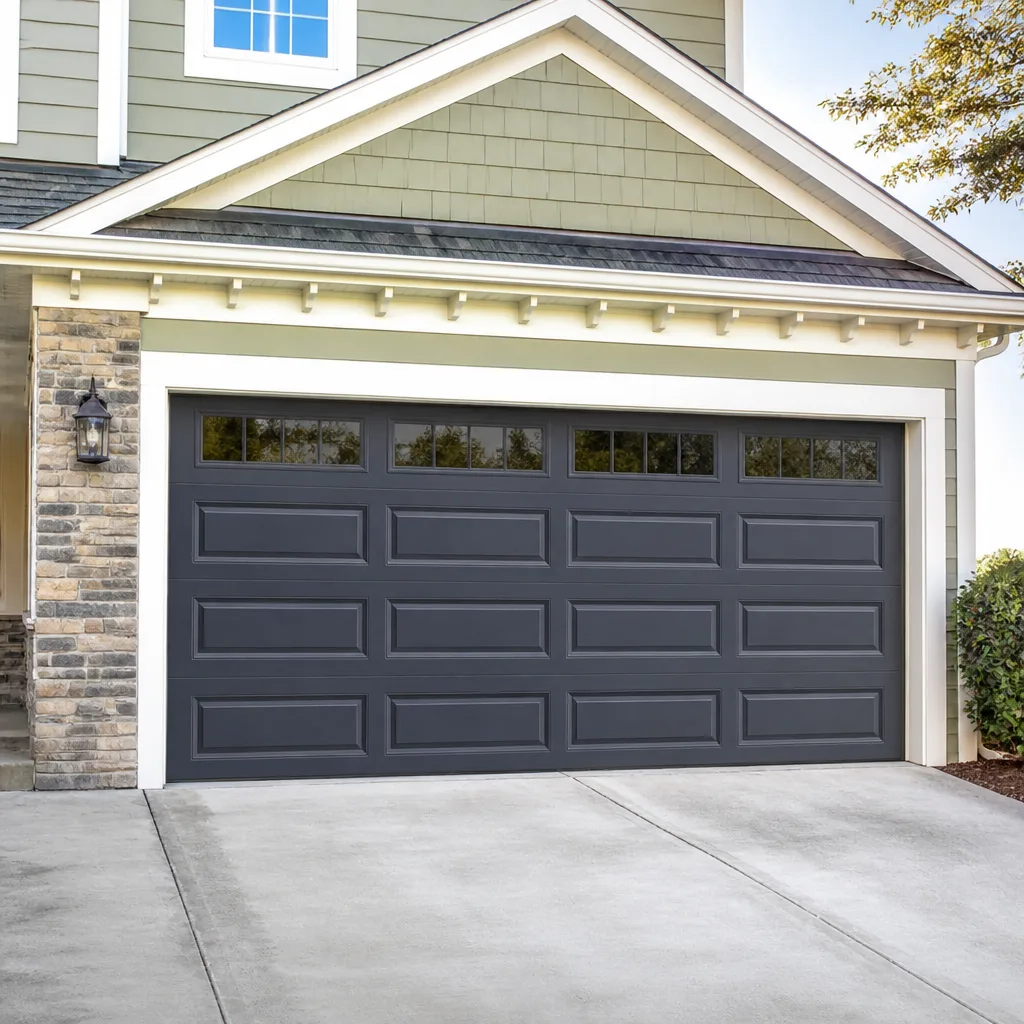 Raised-panel steel
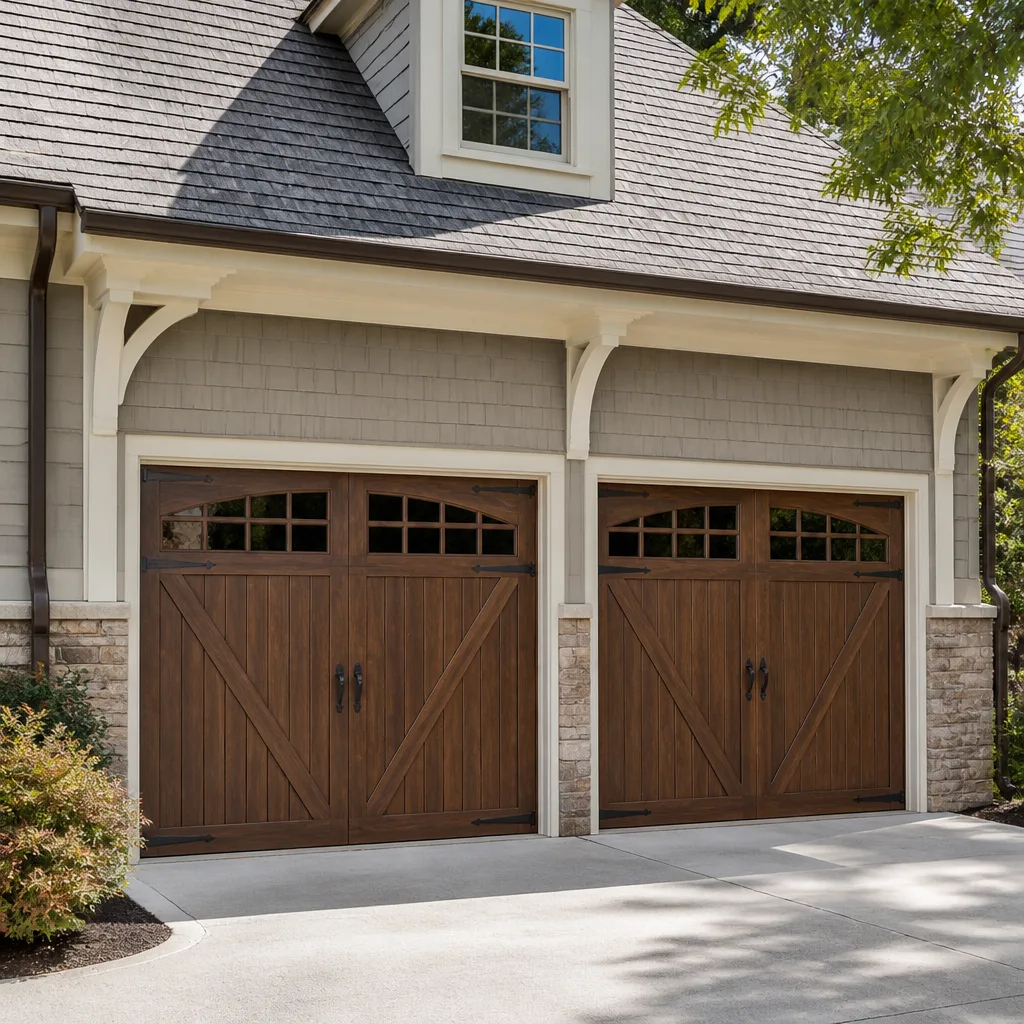 Carriage house
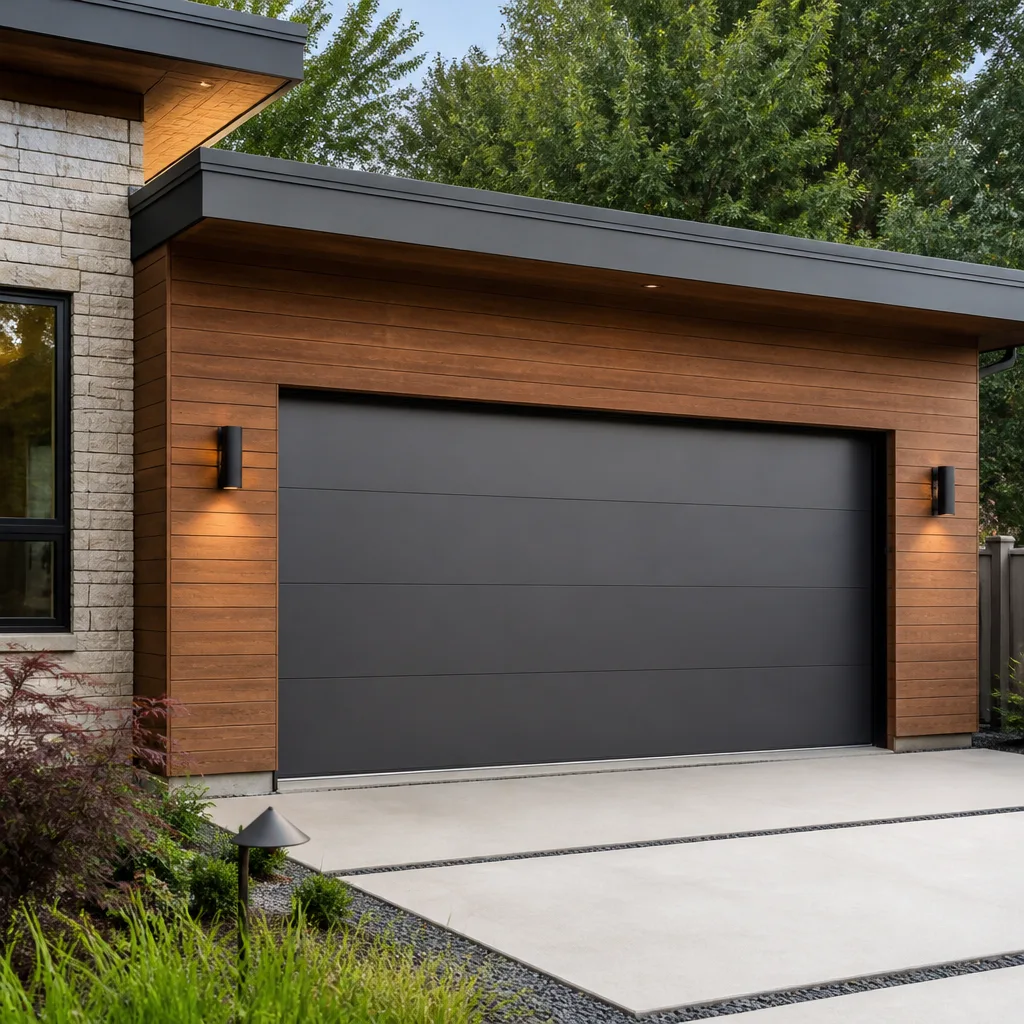 Modern flush
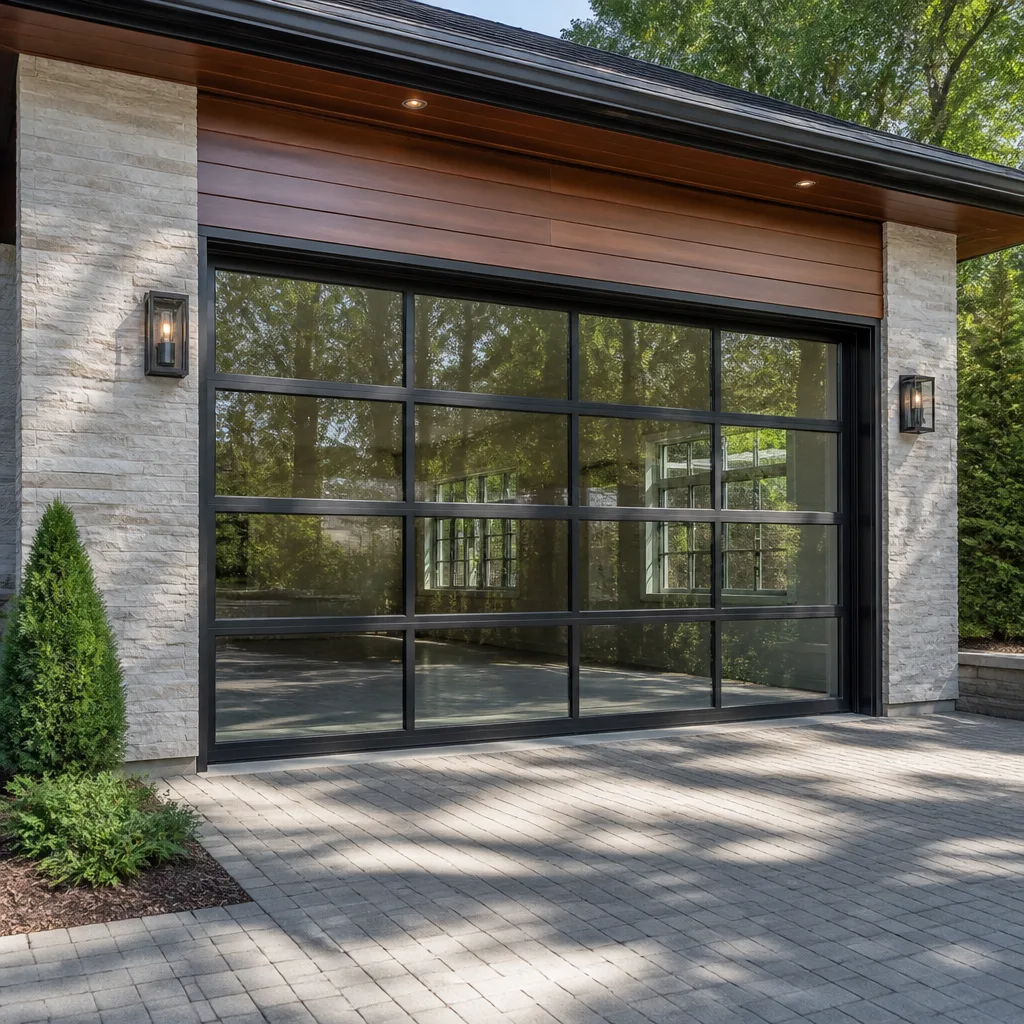 Full-view glass
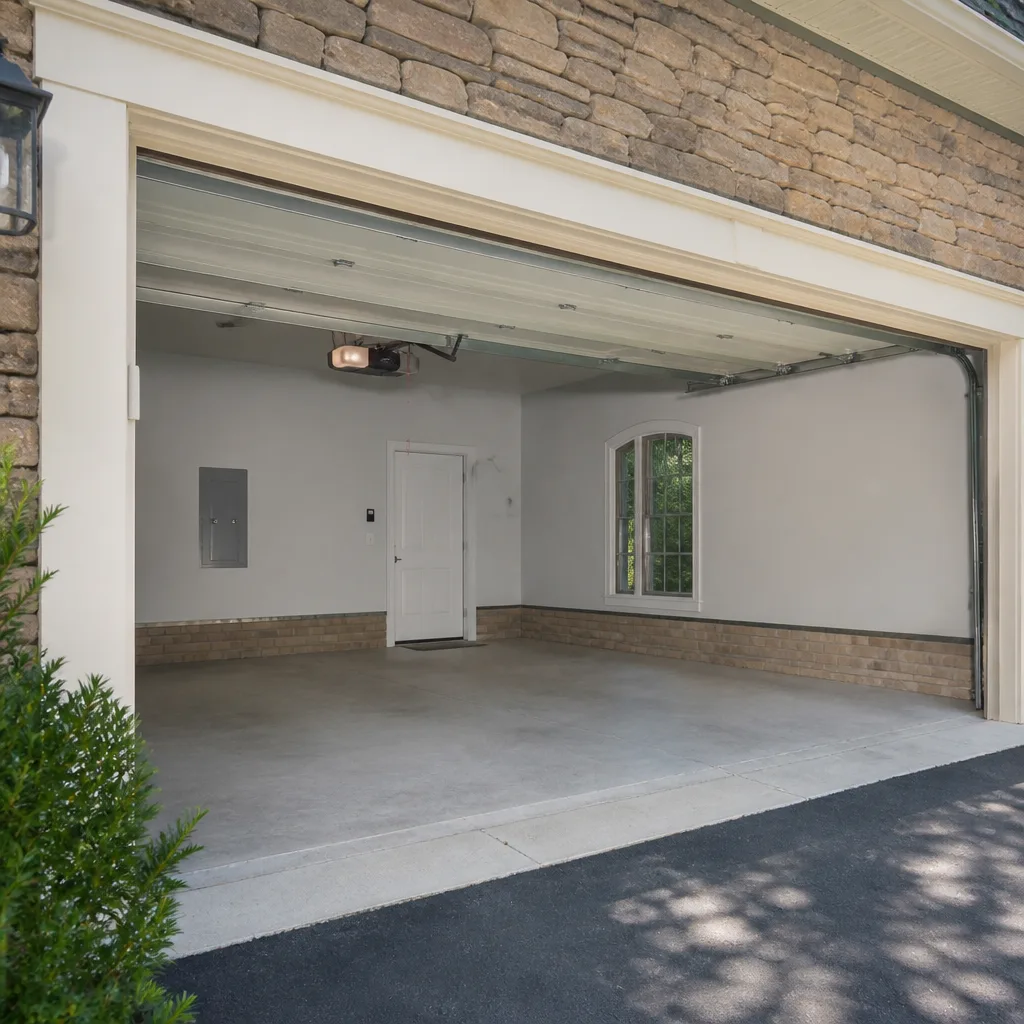 LiftMaster openers
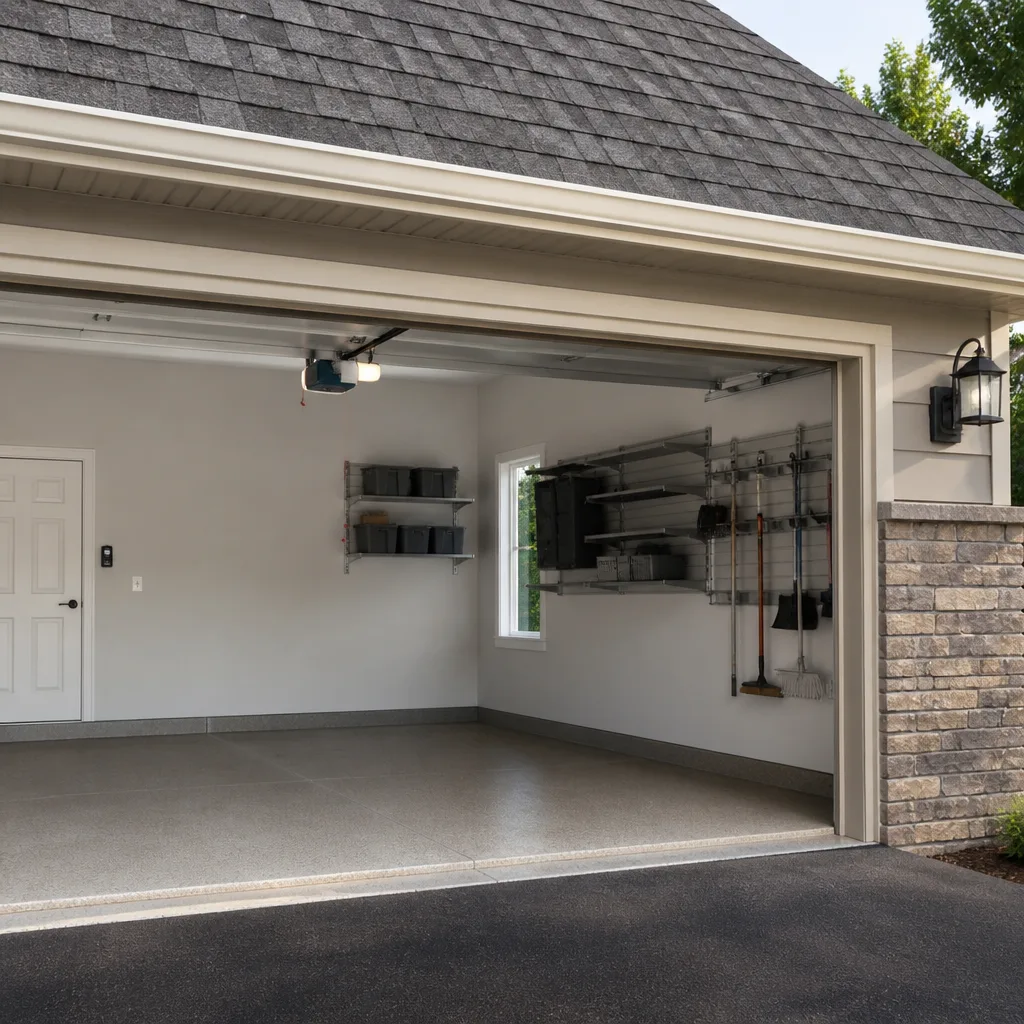 Chamberlain openers
Full 25-point door and opener safety check with every visit - springs, cables, rollers, tracks, and your LiftMaster or Chamberlain opener included
You get a price before we start. It does not change when the pro arrives.
Get your free estimateGarage Door Warning Signs: A Lowell Homeowner’s Reference Guide
A garage door that hesitates for half a second before it moves isn’t “just getting old.” That pause is an opener pulling against a spring system that has lost tension, and within a few weeks it usually becomes a full stop, often with a car trapped on the wrong side of the door. The same is true of a soft pop you hear once and forget, or a door that closes slower than it opens. Most major failures in a garage door announce themselves well before they happen. The problem is that homeowners read those signals as normal aging quirks instead of the mechanical warnings they are. This guide translates the noises, motions, and sights you notice in a Lowell garage into plain answers: which part is failing, how serious it is, and whether you can book a repair or need help today.
Quick Answer
The most common garage door warning signs are a door that hesitates before moving, grinding or popping sounds, a door that reverses a few inches off the floor, slow or uneven closing, and any visible gap or rust in the springs. A hesitation or grinding noise usually points to spring tension loss or worn rollers, while a reversing door points to opener safety sensors or a force setting. Treat a snapping or visibly broken spring, a door hanging crooked on its tracks, or a door that won’t stay closed as same-day safety issues in Lowell.
Styles & brands we work with
- Raised-panel steel
- Carriage house
- Modern flush
- Full-view glass
- LiftMaster openers
- Chamberlain openers
Table of Contents
- The Sound-to-Problem Index: What Each Noise Tells You
- The Spring System: A Visual Inspection Checklist
- Behavioral Warning Signs Homeowners Misread
- Track, Roller, or Cable? Telling Alignment Problems Apart
- How Lowell Winters Stress a Garage Door
- The “Can I Wait a Week?” Decision Framework
- Opener Warning Signs: When the Motor Is the Problem
- Between-Visit Checks That Actually Help
The Sound-to-Problem Index: What Each Noise Tells You
Your ears are the first diagnostic tool. A garage door that has run smoothly for years doesn’t suddenly get loud without a reason, and different sounds come from different components. Before you call anyone, listen to where the sound starts and whether it happens on the way up, the way down, or both. That single detail narrows the cause faster than anything else.
Here’s the index we use when a homeowner describes a noise over the phone:
- Grinding – Usually dry or worn rollers, a bent track, or a torsion system losing lubrication at the bearing plates. Grinding on one side points to that side’s track or roller.
- Popping or a single loud bang – One sharp pop is often a torsion spring or a winding cone slipping. A pop repeated at the same point in the travel is usually a binding track or a roller jumping its edge.
- Rattling – Loose hinges, a loose bottom bracket, or a chain-drive opener on a LiftMaster or Chamberlain unit where the chain has stretched. Rattling that grows louder faster than usual deserves a look.
- Squealing – Metal rubbing metal. Usually rollers, the torsion shaft bearings, or a spring that has rusted and is grinding against itself.
- Scraping – The door itself is dragging on a track or the frame. This is the one you don’t ignore, because the door is already out of alignment and putting weight where it shouldn’t.
In Lowell, we hear these sounds most in the late fall and early spring, when freeze-thaw cycles move the framing and track slightly and a system that was tight in October starts to bind in March. A grinding noise in an older two-car door is worth a same-week look. Scraping or a repeated pop is worth calling now. If you hear the sound and want a technician on it, our garage door repair service covers all of these. Call (866) 605-2979. We answer 24/7. Fast dispatch from 7am to 7pm, Sunday through Friday.
The Spring System: A Visual Inspection Checklist
The springs above your garage door carry the full weight of the door, and they are the single most dangerous component in the whole system. A torsion spring stores enough energy to snap a finger, and a failing extension spring can tear free and whip. You should look at your springs from the floor with the door closed. Never reach up to touch, adjust, or test a spring yourself. What follows is what to look for, not how to fix it.
- A gap in a torsion spring. The spring over the middle of the door should be one continuous coil. A clean break, or a gap where the coil has separated by an inch or more, means it has failed. The door may still open – usually because the opener is doing all the lifting – but it should not be operated manually.
- Rust pitting on extension springs. Extension springs run along the sides above the tracks. A dry, painted spring that has developed rough rust patches or flaking paint is a spring with thin spots, and each one is a starting point for a future break.
- A stretched spring. If a torsion spring has visibly lost tension and the door feels much heavier than it once did when you lift it off the opener, the springs are tired rather than broken.
- Missing safety cables. Extension springs should run inside steel safety cables. A bare spring with no cable running through the middle is a safety gap, not a cosmetic one.
- Springs at uneven tension. One winding cone sitting flush, the other sitting proud, and a door that hangs slightly off level when closed.
If any of these describe your setup, treat the garage door as unsafe to run and call a professional. This is why we handle garage door spring repair as a core service rather than a referral. Spring work needs the right winding bars, correct-cycle springs matched to the door’s weight, and a technician who knows the difference. A matched pair is usually replaced together, so expect the cost to reflect both. Call (866) 605-2979 and we’ll walk you through what you’re seeing. We answer 24/7. Fast dispatch from 7am to 7pm, Sunday through Friday.
Behavioral Warning Signs Homeowners Misread
Some warning signs aren’t loud at all. A door that opens smoothly and closes slowly is telling you something, but it isn’t the same thing as one that reverses six inches off the floor. Those two behaviors come from different causes, and treating one like the other wastes your money.
A door that closes slower than it opens. This usually points to a torsion spring that has lost tension or a spring that’s nearly at the end of its life. On the way down, the springs supplement the opener; when they’re weak, the motor has to overcome the door’s full weight, so it finishes slowly. It can also be opener programming – on a Genie or Chamberlain unit, a force setting that’s been bumped can slow the close. But when the slowness is one direction and the door feels heavy off the opener, springs are the first suspect.
A door that reverses about six inches off the floor. That specific distance is nearly always the safety sensor, not the springs. The opener expects the sensors to be aligned and unobstructed through the whole close. When the sensors are dirty, knocked loosely, or one has drifted, the controller reads an obstruction and reverses. Reversing higher up, closer to the header, points instead to a binding track or a force setting. Notice where the door turns around; it tells you which of the two to check first.
A door that opens a little and stops. That’s usually a travel-limit setting or a torque-triggered stop on the opener, which is often how an opener responds to a spring that’s just gone. It reads the resistance as an obstruction and shuts off.
A door that won’t stay closed. That can be the sensors, a bent bottom panel, or a door that’s out of alignment and catching the floor. If you can’t close the door, you can’t secure the garage, so this is one worth same-day attention. If you’re stuck like this, call (866) 605-2979. We answer 24/7. Fast dispatch from 7am to 7pm, Sunday through Friday.
Track, Roller, or Cable? Telling Alignment Problems Apart
A door that looks crooked or binds as it moves has an alignment problem, but “alignment” covers three different repairs. Getting this right saves you from paying for a track adjustment when the real problem is a roller or a cable, or replacing a roller when a track is the culprit.
Work through these checks with the door closed, from the floor, using your eyes only:
- Look at the track gap. The vertical tracks should be parallel, with a consistent gap between door and track on both sides. A visible bow, a dent from a bumper, or a gap that widens then narrows means the track is bent. Tracks can be bent back or replaced; this is the track issue.
- Look at the rollers in the track. With the door closed, the rollers should sit evenly in the track. A roller with worn or flattened wheels, a roller sitting cocked in the channel, or one that has lost its nylon tire causes the door to jump and grind. That’s a roller issue.
- Look for slack in the cables. The cables run up both sides to the bottom brackets. One cable visibly slacker than the other, or a cable with a frayed strand or a kinked section, points to a cable tension problem. Never handle a cable under tension yourself; a cable under load can cause a serious injury, and this is a professional-only repair.
In our experience, most crooked doors in Lowell are the track, often from a knocked bumper or a door that struck a drifted snowbank in the driveway. The good news is that track and roller work is often a same-day fix. Call (866) 605-2979 to describe it and we’ll tell you what we expect. We answer 24/7. Fast dispatch from 7am to 7pm, Sunday through Friday.
How Lowell Winters Stress a Garage Door
A garage door in Lowell runs a longer duty cycle than one in a milder climate, and the seasons stress specific parts in ways you can watch for. The freeze-thaw pattern through a New England winter is the biggest driver. Moisture gets into the space around the track and the bottom seal, freezes overnight, expands, and loosens hardware a fraction at a time. By spring the track has shifted and the door is binding where it used to move cleanly.
Here’s where the seasonal warning signs show up in a Lowell garage:
- Bottom seal and threshold. The bottom weather seal takes the worst of the winter. A seal that’s cracked, stiff, or missing a section lets water and cold air in and can catch the door on the way down, which shows up as a door that stops and reverses near the floor.
- Rollers and hinges. Cold hardens lubricant. Rollers that were quiet in October squeal in January, and hinges that were snug loosen as the wood or metal frame moves with the temperature.
- Track alignment. Frost heave in a driveway or a shifting garage slab can push the vertical track slightly out of plumb. That’s a common cause of a door that binds on one side only during winter.
- Springs. Springs do more fatigue cycles per year when the door is opened and closed in cold weather with more drag. Visible rust and a door that feels heavy off the opener in late winter are the signals to watch.
The upshot for Lowell: a full inspection in the fall, before the first hard freeze, catches most of the winter damage before it becomes a repair. A check in early spring catches the shifts the winter caused. If you’re noticing winter-specific behavior now, it’s worth a look from a technician rather than waiting for the next season. Call (866) 605-2979. We answer 24/7. Fast dispatch from 7am to 7pm, Sunday through Friday.
The “Can I Wait a Week?” Decision Framework
Not every warning sign is a same-day emergency, and not everything can wait. This framework sorts the signals into three groups so you know how fast to move.
Same-day – do not operate the door, call now.
- A visibly broken spring, a gap in a torsion coil, or a popped extension spring.
- Any cable that’s frayed, kinked, slack on one side, or hanging loose.
- A door hanging crooked, off its track, or that won’t stay closed.
- A single loud bang from the door followed by the door refusing to lift.
These are the ones our emergency service exists for. Our garage door repair service can handle the stuck-door calls, and we treat a door that won’t close as the priority it is.
This week – schedule a repair, avoid heavy use.
- A door that opens slowly or hesitates, which usually means weak springs.
- Persistent grinding or squealing that you can clearly locate.
- A door that reverses a few inches off the floor every time.
Schedule when you can – routine service.
- Occasional rattling with no other symptom.
- A bottom seal that’s starting to wear.
- A roller that’s noisy but the door still moves evenly.
If you’re not sure which group your symptom falls into, describe it and we’ll help you sort it. Call (866) 605-2979. We answer 24/7. Fast dispatch from 7am to 7pm, Sunday through Friday. The estimate is free, and the price is agreed before any work starts.
Opener Warning Signs: When the Motor Is the Problem
Not every hesitation comes from the springs. The opener is the other half of the system, and it has its own set of warning signs. The trick is telling a struggling motor from a motor that’s fine and being asked to lift more than it should.
Here’s the diagnostic split we use:
- The motor strains, then the door moves. Usually springs. The opener is picking up weight the springs should be carrying. Fix the springs, and the motor quiets.
- The motor runs but the door doesn’t move. Often a stripped gear, a failed drive chain or belt, or a broken torsion shaft. The opener is working, the drive isn’t.
- The door stops and reverses at a random point. Usually the safety sensors, sometimes a force setting. Check the sensor LEDs first.
- The remote works only from a few feet away. Usually a weak battery in the remote, sometimes interference.
- The opener beeps or the light flashes a pattern. On a LiftMaster, Chamberlain, or Genie unit, a flashing code is the opener telling you exactly which fault it has. Note the pattern before you call.
Brand familiarity matters more than most homeowners realize with openers. Each brand uses its own force settings, travel limits, and error codes, and a technician who works on your model regularly reads the code and gets to the fix faster. We work on the brand already on your garage, including LiftMaster, Chamberlain, Genie, and Raynor. For anything that’s failed quietly, our garage door opener repair service handles the motor side. If a remote or a wall control isn’t working, that’s usually a quick diagnostic. Call (866) 605-2979. We answer 24/7. Fast dispatch from 7am to 7pm, Sunday through Friday.
Between-Visit Checks That Actually Help
You can catch a lot of warning signs early with a few minutes of looking and listening, none of which puts your hands near a spring or a cable. The safety rule for a homeowner is simple: look, listen, and test the door’s motion with the opener, but never take apart or adjust the torsion system, the cables, or the bottom brackets.
- The balance test. With the door closed, pull the opener’s manual release to disconnect it, then lift the door by hand to about waist height. A properly balanced door stays put. One that falls back down or shoots up is out of balance, which points to springs.
- The sensor test. With the door closed, pass an object through the sensor beam. The opener’s light should flicker and the door shouldn’t move or should stop. If it doesn’t, the sensors need attention before anything else.
- The visual spring check. Look from the floor with the door closed: a gap in a torsion coil, rust pitting on an extension spring, or a missing safety cable. No touching.
- The listen-once pass. Run the door up and down and listen for grinding, popping, or scraping without dismissing them.
- The track wipe. A clean, dry cloth along the track face clears the accumulated grit. Never use oil or grease on a track; it collects debris and makes the problem worse.
An annual professional inspection stays ahead of the winter. Our garage door repair service includes a full look at springs, cables, rollers, and opener settings. Call (866) 605-2979 to book a free estimate. We answer 24/7. Fast dispatch from 7am to 7pm, Sunday through Friday.
Common Mistakes to Avoid
- Ignoring a hesitation as normal. A door that pauses before moving is straining, not aging gracefully. Waiting on it is how a same-week repair becomes a same-day emergency with a car stuck inside.
- Testing springs by hand. Never reach up and pull a spring, and never try to wind one yourself. A torsion spring under load can cause a serious injury, and this is the single most dangerous repair on the door.
- Treating a reversing door as a sensor-only fix. A door reversing six inches off the floor is usually the sensors, but reversing higher up points to a track or a force setting. Misreading which one wastes a service call.
- Oil on the tracks. Grease on a track collects grit and makes a binding door worse. Clean the track, don’t lubricate it.
- Assuming a slow close is an opener problem. In most cases it’s weak springs, and a new opener won’t fix them. Diagnose the springs first.
- Using a brand-generic opener setting. Force settings and travel limits are brand- and model-specific. On a Chamberlain or a Genie, a wrong setting leaves the door fighting itself.
- Running a crooked door to get the car out. A door off its track can come down uncontrolled. If it’s hanging crooked, don’t run it; call and let a technician handle it.
See the difference
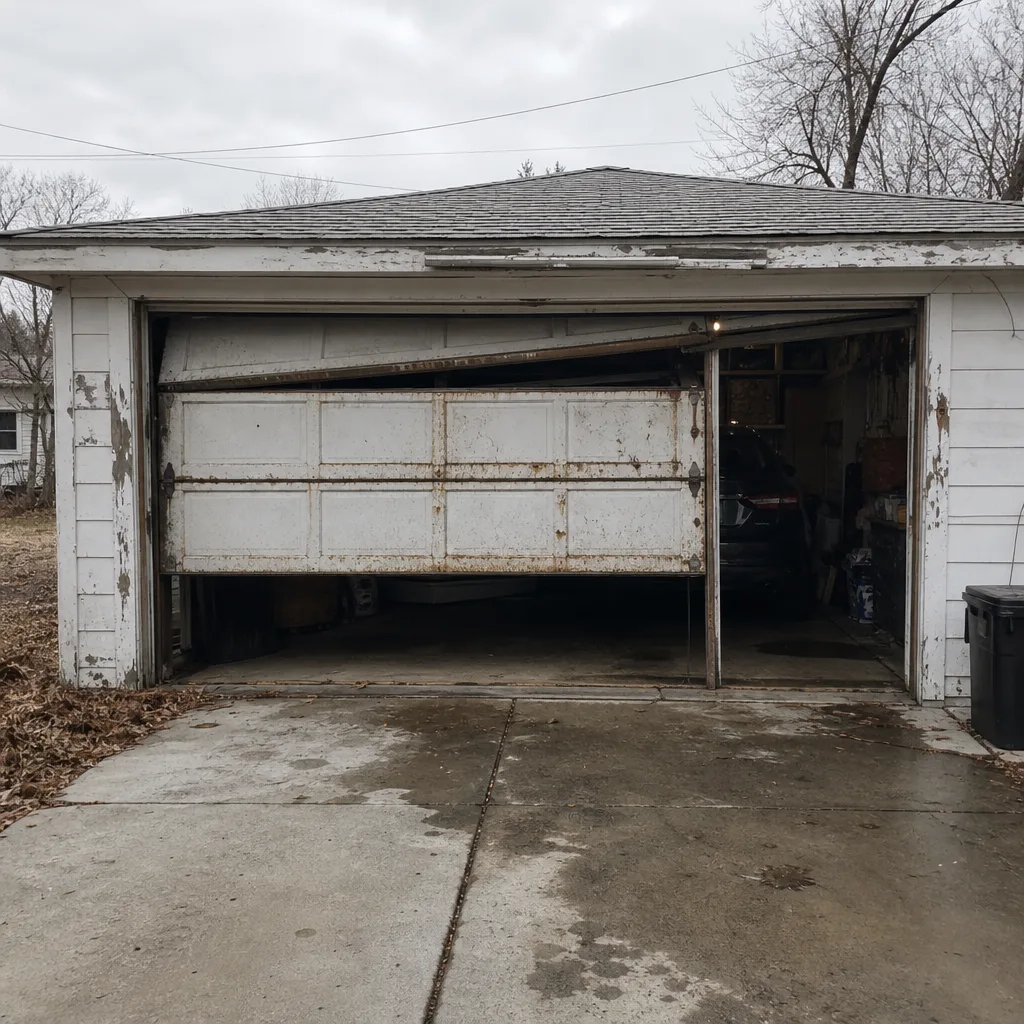 Before
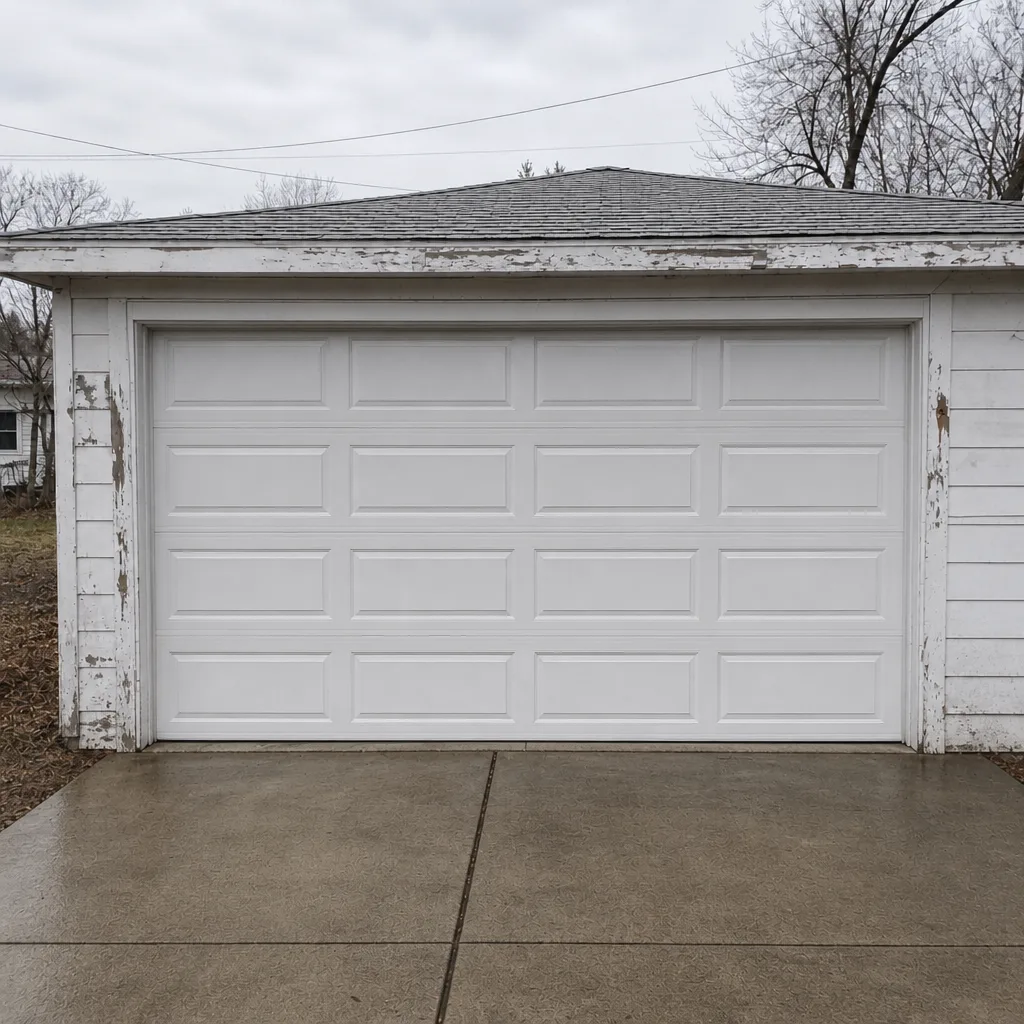 After
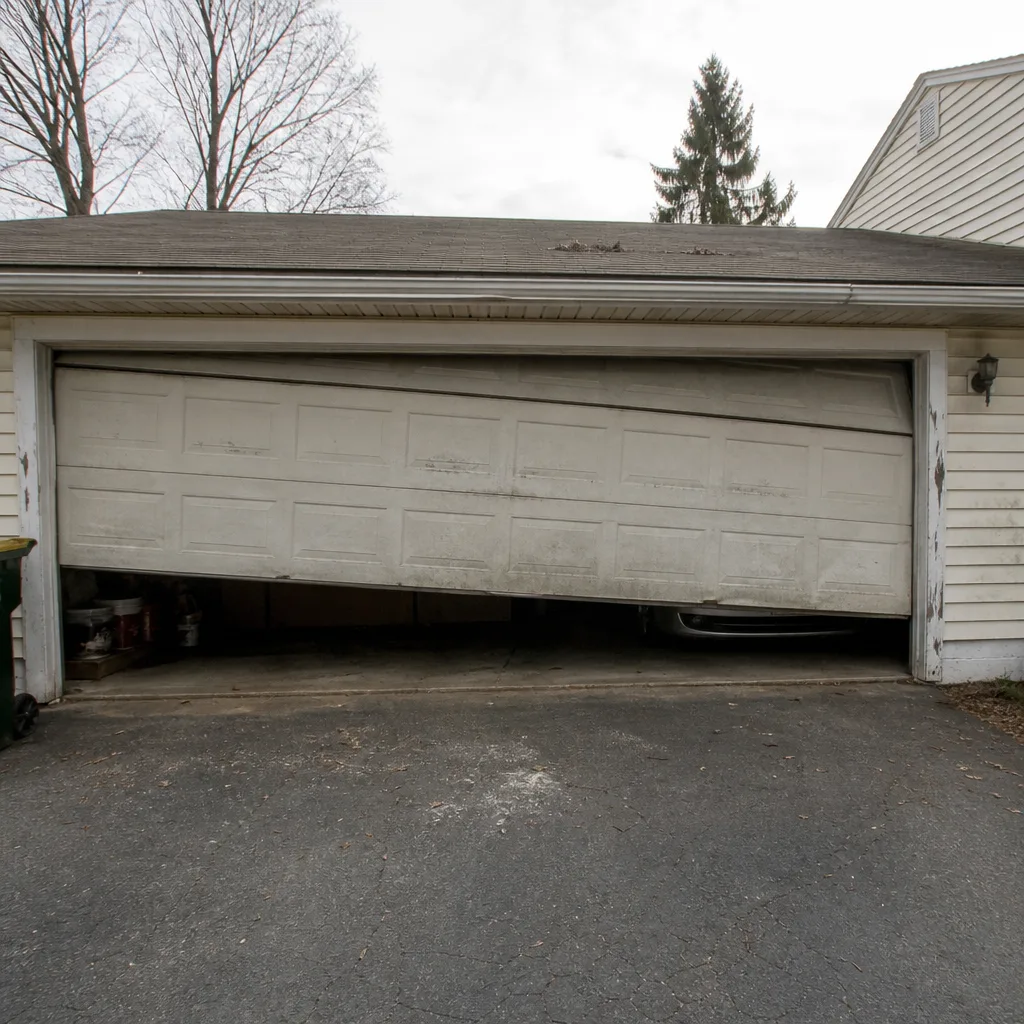 Before
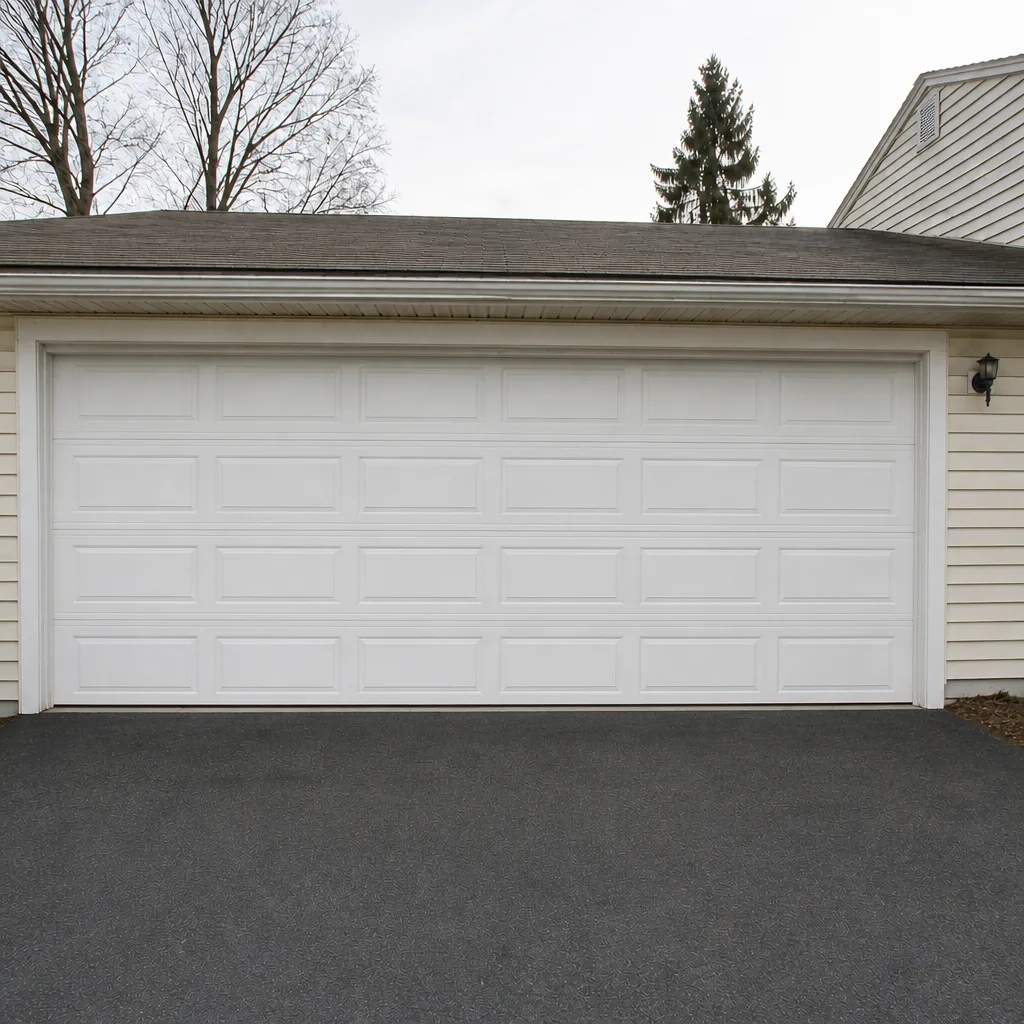 After
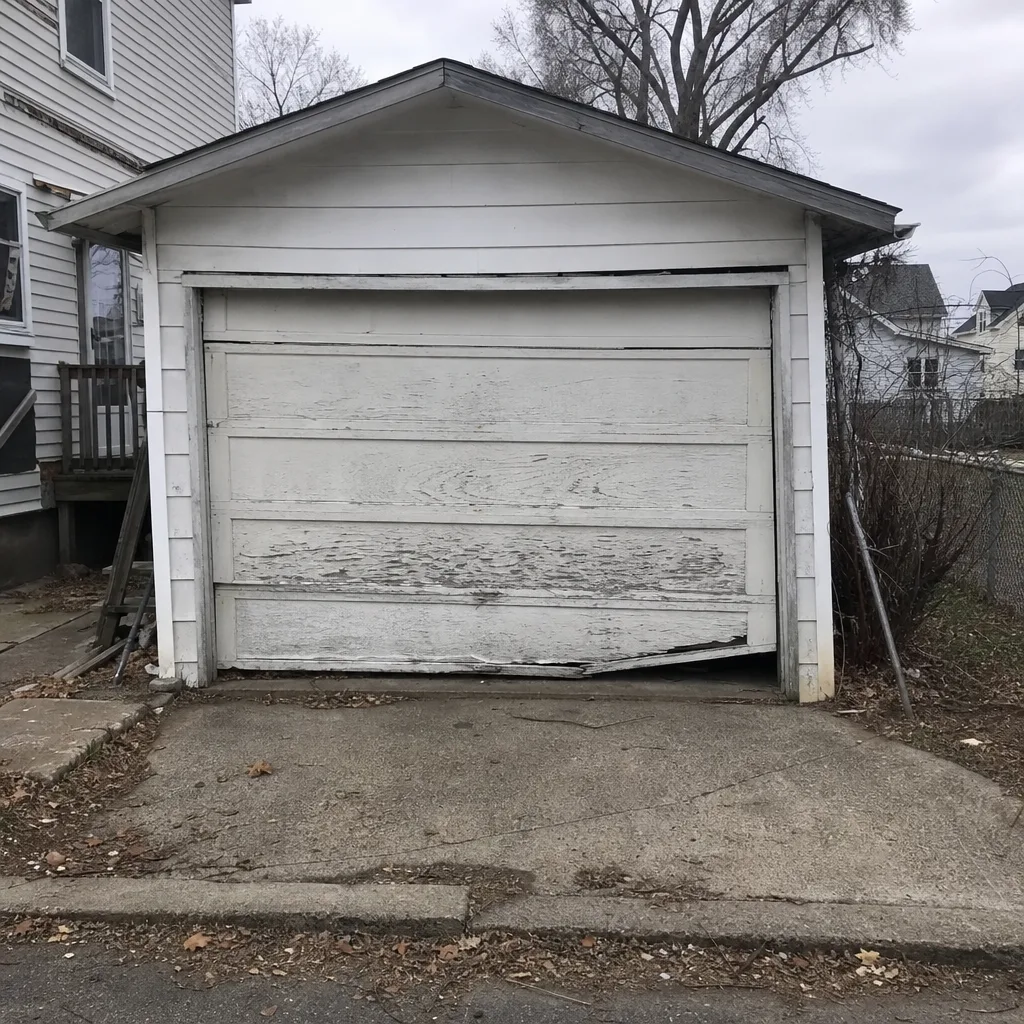 Before
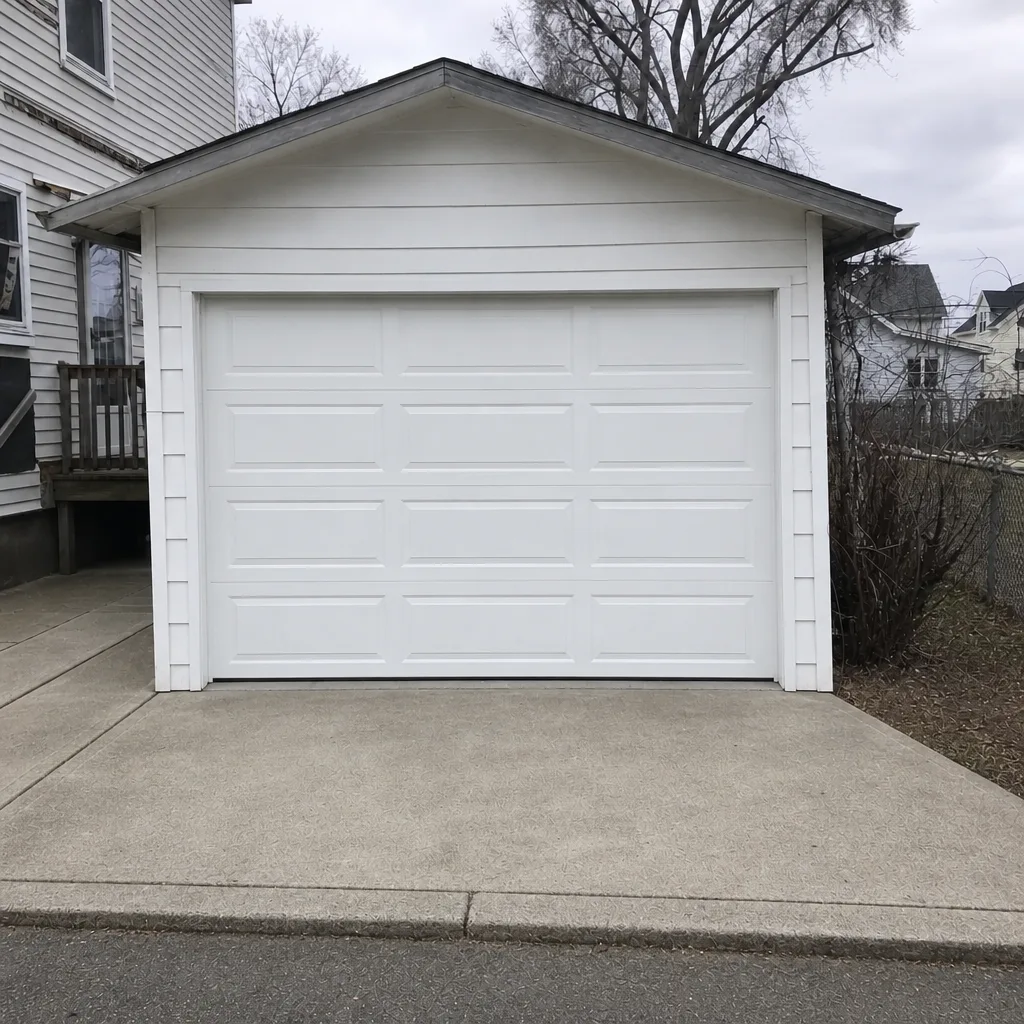 After
When to Call a Professional
Call a professional the moment you see a broken spring, a gap in a torsion coil, a frayed or slack cable, or a door hanging crooked. Also call if the door reverses, won’t stay closed, or won’t open at all – each of those can leave your garage unsecured or trap your car, and the sooner it’s handled, the sooner the door is safe to use. Spring, cable, and track work all involve components under heavy tension that a homeowner shouldn’t handle. For a scheduled repair or an inspection, call. For anything in the same-day group, call now. Lowell Garage Door Repair offers free estimates in Lowell – call (866) 605-2979. We answer 24/7. Fast dispatch from 7am to 7pm, Sunday through Friday.
Frequently Asked Questions
The earliest signs are a door that hesitates before moving, a new grinding or squealing noise, a door that reverses a few inches off the floor, and slow or uneven closing. A visual gap in a torsion spring or rust pitting on an extension spring is a later, more urgent sign. If you notice any of these in your Lowell garage, call (866) 605-2979 for an exact quote – estimates are free.
A broken torsion spring shows as a clear gap in the coil above the door, and a broken extension spring shows as a separated, hanging spring with a visible gap. The door also feels very heavy and usually opens slowly or not at all. Do not operate or manually lift the door; call (866) 605-2979. We answer 24/7. Fast dispatch from 7am to 7pm, Sunday through Friday.
A door reversing about six inches off the floor is almost always the safety sensor system – dirty lenses, a loose mount, or a sensor that’s drifted out of alignment. Reversing higher up points to a track or force setting instead. If you can’t track it down, call (866) 605-2979 for an exact quote. Estimates are free.
It depends on the noise. Occasional rattling or a squealing roller can usually wait for a scheduled visit. Grinding, repeated popping, or scraping means a binding system or a track out of line and should be seen this week. A broken spring, a slack or frayed cable, or a door that won’t close is same-day. If you’re unsure, describe the sound and we’ll help you decide. Call (866) 605-2979.
Yes. We work on the brand already on your garage, including LiftMaster, Chamberlain, Genie, and Raynor, along with Clopay, Amarr, Wayne Dalton, and Craftsman. Brand-specific knowledge means the technician reads your opener’s fault codes and settings correctly instead of figuring it out on your dime. Call (866) 605-2979 for a free estimate.
The price is set per job by a written estimate, and it’s agreed before any work starts. What you’re quoted is what you pay for the agreed repair. If the technician finds a second problem, the price for that is quoted and agreed before the work is done, not added after. Call (866) 605-2979. We answer 24/7. Fast dispatch from 7am to 7pm, Sunday through Friday.
The Bottom Line
Garage door failures are rarely sudden. Springs, cables, and openers give you warning – a hesitation, a grinding noise, a slow close, a reversing door – and the whole job is knowing which sign means “book it” and which means “handle it today.” Use the sound index, the spring checklist, and the can-I-wait framework in this guide to sort what you’re hearing and seeing. In Lowell, the right play is a free estimate for the scheduled repairs and a same-day call for the broken spring, the crooked door, or the door that won’t stay closed. We’re the specialist for the brand already on your garage, from garage door repair to garage door opener repair and garage door spring repair. Call (866) 605-2979 for a free estimate. We answer 24/7. Fast dispatch from 7am to 7pm, Sunday through Friday, and we’re closed on Saturday. Learn more about Lowell Garage Door Repair, and call us today.
Written by the team at Lowell Garage Door Repair.