
Last updated November 21, 2026
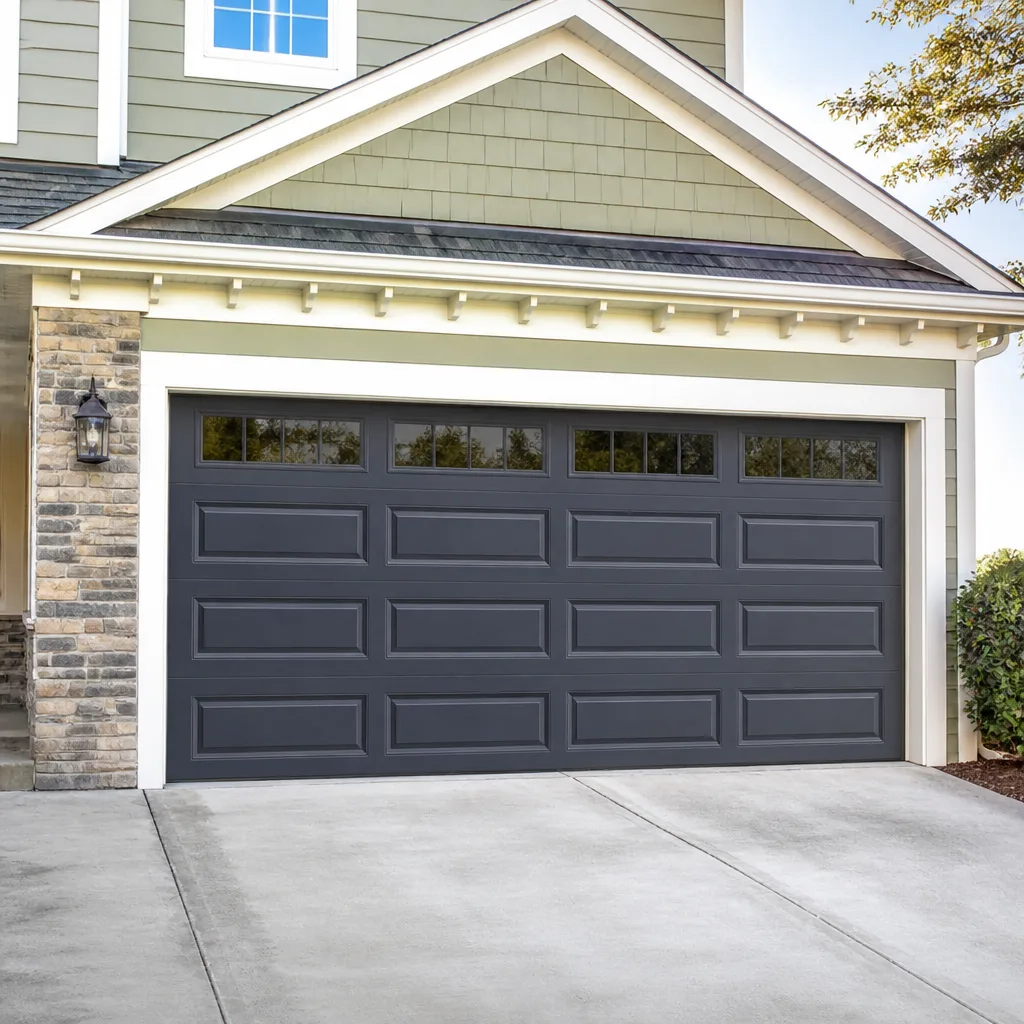 Raised-panel steel
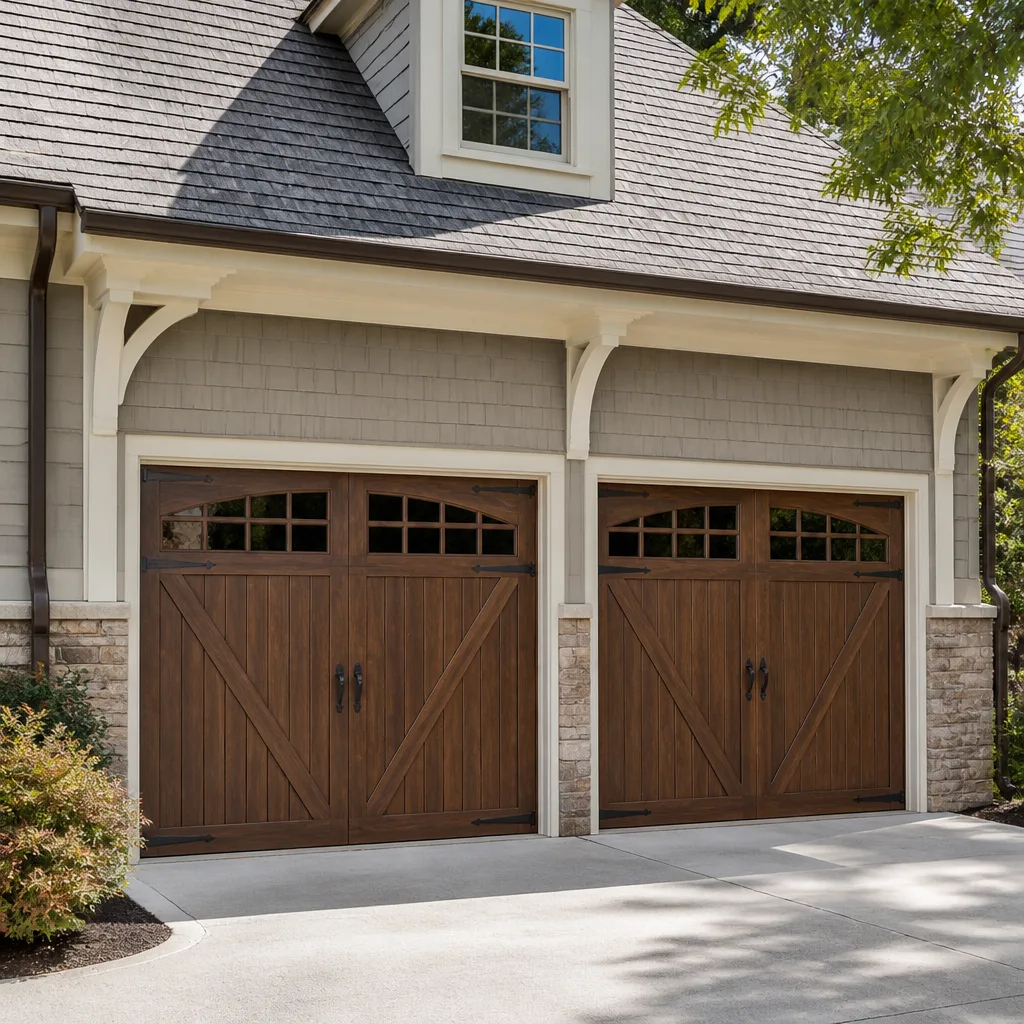 Carriage house
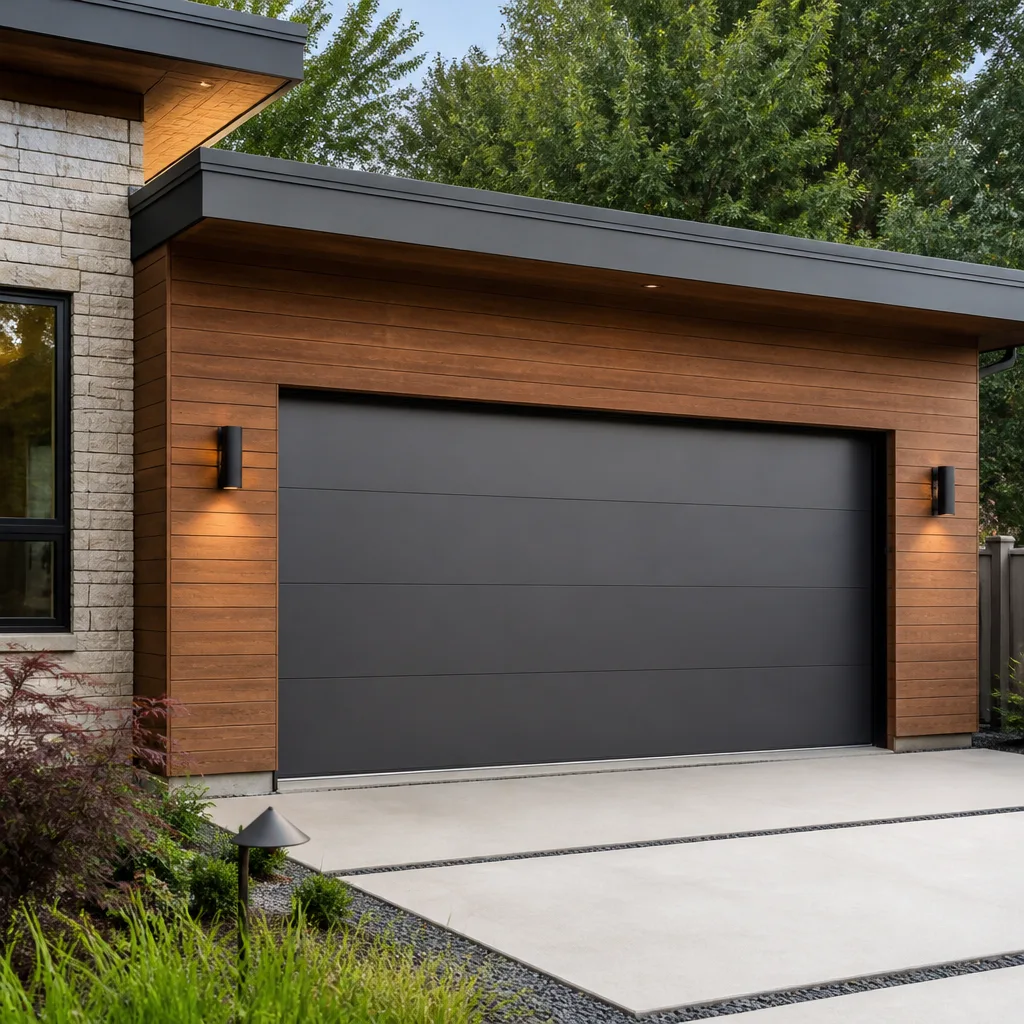 Modern flush
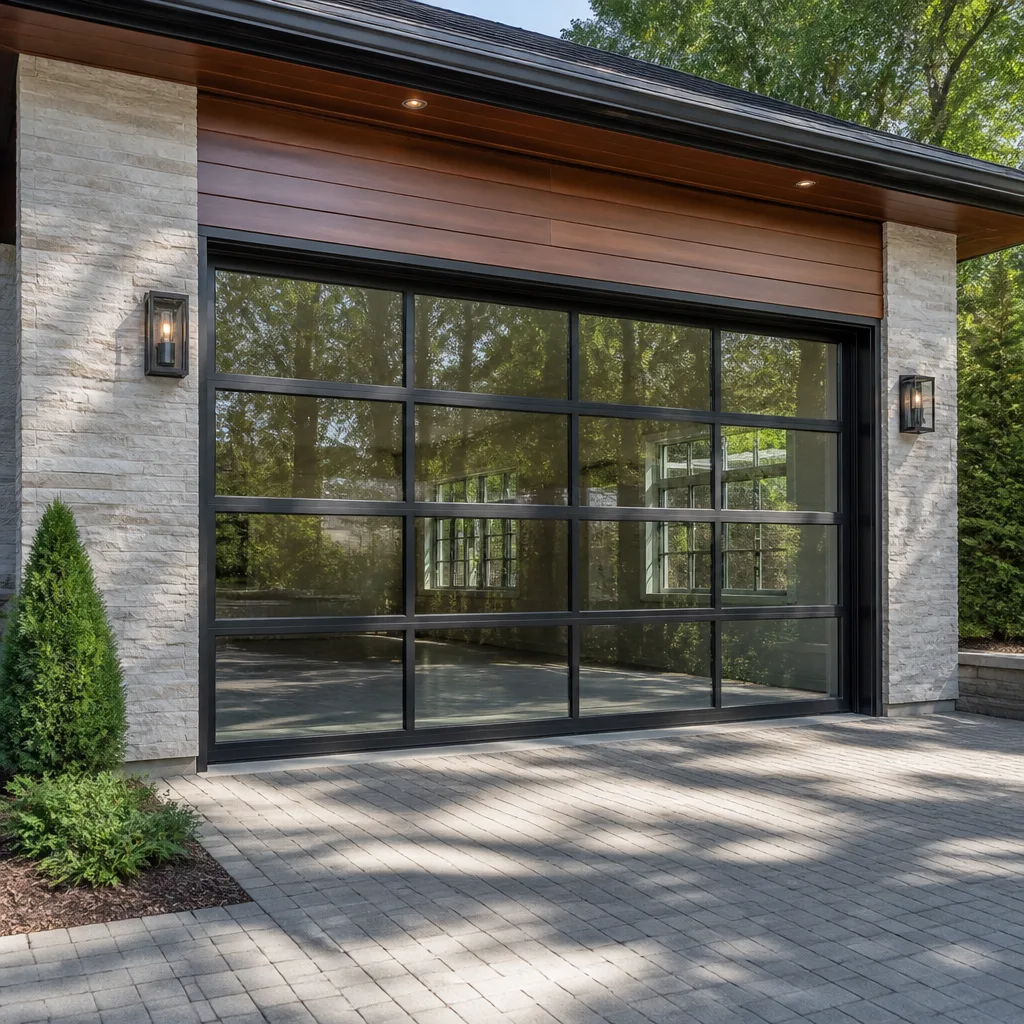 Full-view glass
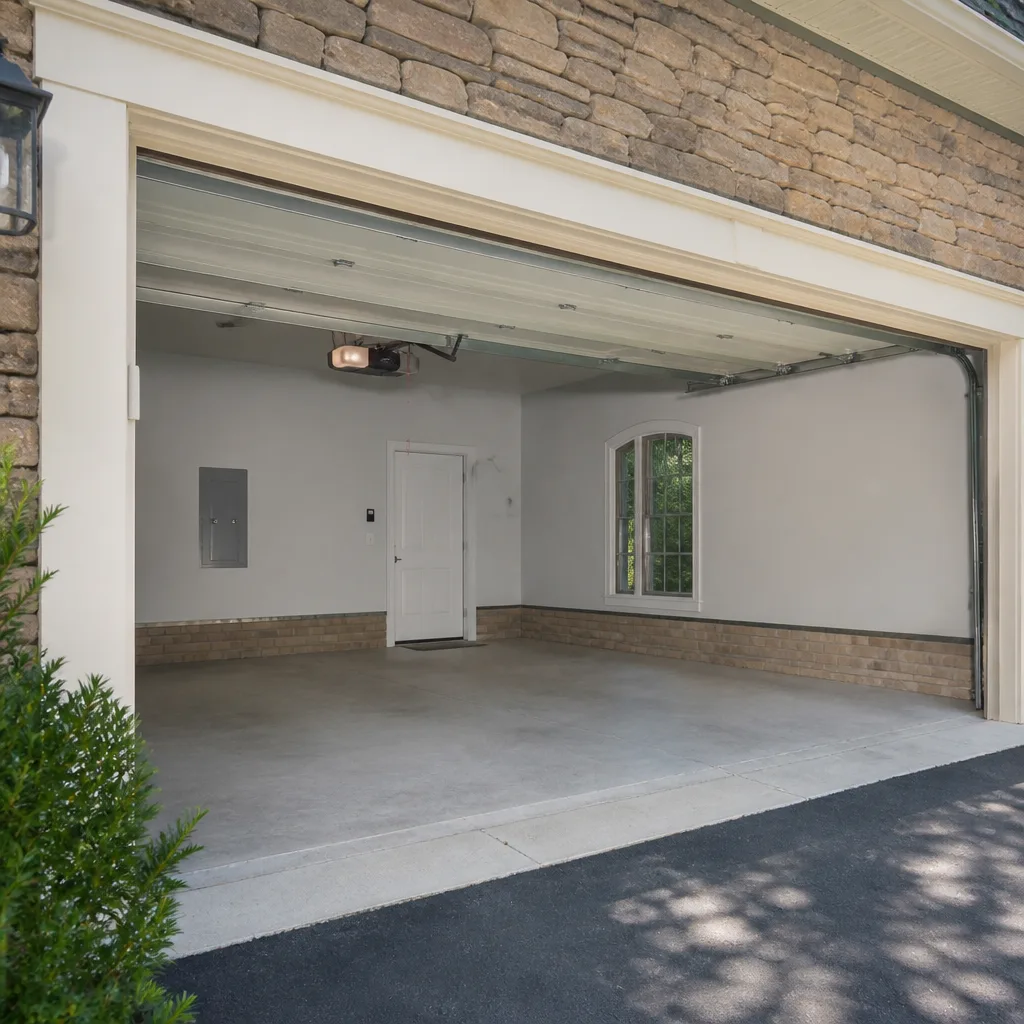 LiftMaster openers
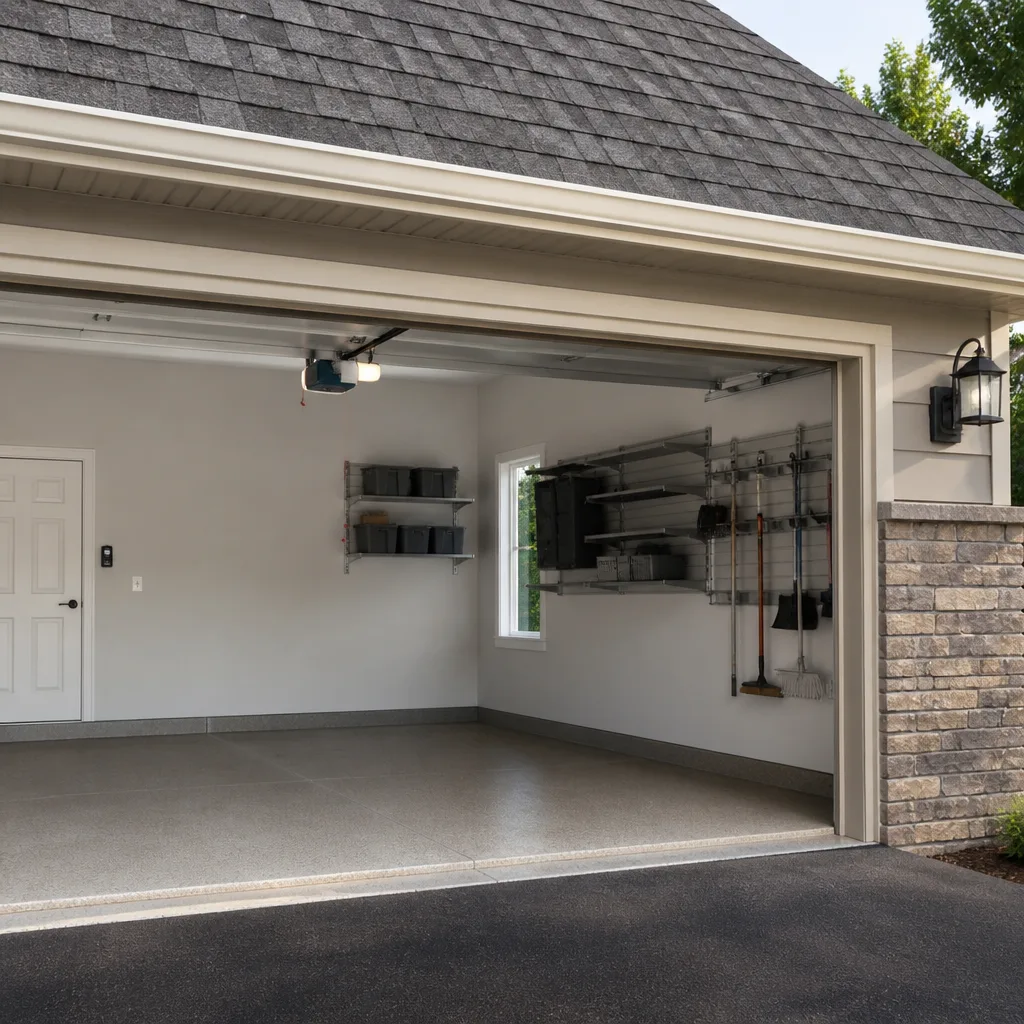 Chamberlain openers
Full 25-point door and opener safety check with every visit - springs, cables, rollers, tracks, and your LiftMaster or Chamberlain opener included
You get a price before we start. It does not change when the pro arrives.
Get your free estimateChoosing the Right Garage Door Brand: A Buyer’s Guide for Lowell
Most garage door brand comparisons online are written for a national audience, and that’s the problem. A door that performs beautifully in a mild climate can be a poor choice for Lowell, where a February morning sits near 10°F and road salt is tracked onto the apron all winter. Steel gauge, insulation material and weatherstripping design all behave differently in that environment, and the brand that markets hardest isn’t always the brand that holds up. This guide evaluates the brands most commonly installed in Lowell on the things that actually matter here: parts availability, cold-weather insulation performance, and warranty terms that survive contact with a real claim.
Quick Answer
For most Lowell homeowners, the best garage door brand is the one with a regional parts distributor nearby, a steel gauge matched to real driveway use (usually 25-gauge for attached garages, 24-gauge where denting is a concern), and insulation rated for a New England winter if the garage shares a wall with the house. Clopay, CHI, Wayne Dalton, Amarr and LiftMaster all have strong track records in Lowell; the right pick depends on your housing type, whether the garage is heated or attached, and how quickly a matching replacement panel could be sourced.
Styles & brands we work with
- Raised-panel steel
- Carriage house
- Modern flush
- Full-view glass
- LiftMaster openers
- Chamberlain openers
Table of Contents
- How Do the Brands Most Common in Lowell Compare?
- Why Parts Availability in Greater Lowell Beats Brand Prestige
- Insulation Reality Check: What R-Value Means in a New England Garage
- Steel Gauge Explained in Practical Terms
- Matching Brand and Style to Lowell’s Housing Types
- How Openers Fit Into the Brand Decision
- How Warranty Terms Hold Up When You Use Them
- The Buying Process, Step by Step
How Do the Brands Most Common in Lowell Compare?
The brands we’re called out to in Lowell most often are Clopay, CHI, Wayne Dalton, Amarr and LiftMaster, and each one has a clear personality once you’ve worked on it. We work on the brand already on your garage, so this comparison comes from what technicians find in the field, not from a brochure.
Clopay
Clopay covers the widest spread of the market, from builder-grade steel doors to insulated carriage-house styles. The residential steel line is what you’ll see on most newer Lowell subdivisions, and its strength is depth of options. Replacement panels and hardware are widely stocked, which matters more than it sounds when a door is ten years old and you need one section.
CHI
CHI is the brand we see on a lot of New England carriage-house and raised-panel installations. The steel is solid and the styling leans traditional, which suits Lowell’s older housing stock well. Distributor reach in the northeast is good, so a CHI door rarely becomes an orphan.
Wayne Dalton
Wayne Dalton’s Thermospan and Classic Steel lines are common on capes and ranches around the city. The brand offers strong insulation options, and the hardware is generally straightforward to service. Parts availability is dependable in the region, though specific panel profiles can take longer to source than Clopay or Amarr.
Amarr
Amarr has built a strong residential presence, and its steel doors are frequently installed on new construction. The brand’s insulation packages are competitive and its panel styles lean classic. We see fewer Amarr doors on Lowell’s older homes, but on newer builds the fit and finish are dependable.
LiftMaster
LiftMaster is an opener brand, not a door brand, but it belongs in any Lowell comparison because so many doors here are paired with one. Its openers are widely supported, parts are available, and most technicians can service a LiftMaster without delay. Chamberlain and Genie sit in the same category and see similar service patterns.
What this comparison shows is that brand prestige rarely separates these manufacturers. What separates them in Lowell is whether a replacement panel is on a shelf within driving distance, whether the insulation works in a cold attached garage, and whether the warranty claim gets honored without a fight.
Why Parts Availability in Greater Lowell Beats Brand Prestige
A discontinued panel from a premium brand leaves you with an unmatchable door faster than a mid-tier brand with a large regional distributor. That sentence is the whole argument, and it’s the point most online comparisons skip entirely.
Garage doors aren’t cars. You don’t replace the whole door when a single section dents or rusts through. You replace the section, or you replace a hinge, a roller, a bottom seal, or a strut. That only works if the exact profile is still in production and a distributor in the region stocks it. Bring a door to us with a discontinued panel and the options narrow fast: a mismatch, a full replacement, or a long wait for a special order.
In our experience, a few brands are far easier to source locally than others:
- Clopay has the broadest residential distribution in the northeast, which makes panel matching the simplest of the group.
- Amarr and Wayne Dalton generally have reliable distribution, though specific profiles vary.
- CHI holds up well because its carriage-house and raised-panel styles are widely specified in New England.
- Craftsman doors show up on older homes and can be harder to match because the brand has changed hands over the years.
- Raynor is common on commercial installations and some residential builds; parts can take longer to source than the bigger names.
If you’re choosing a new door, ask any installer one question before you sign: can you get me a replacement panel for this door in five years? If the answer is vague, the brand is a poor choice for Lowell regardless of how it looks on a showroom floor. Our garage door repair work depends on exactly that reality; we’d rather fix a door than replace it because a panel is unavailable.
Insulation Reality Check: What R-Value Means in a New England Garage
R-value measures resistance to heat flow. Higher is better, but the number on a spec sheet doesn’t tell you how that insulation performs at 10°F in an attached garage in Lowell. Two doors can carry the same R-value and behave differently because they use different insulation materials and construction.
The two materials you’ll encounter are polystyrene and polyurethane. The short version:
- Polystyrene is the standard bead or panel insulation. It’s cheaper and lighter, and it performs acceptably in a detached or unheated garage.
- Polyurethane is injected as a liquid and expands to fill the section fully. It performs better in cold weather and provides a stiffer door with less condensation because the section is fully bonded.
Where insulation actually matters in Lowell is the attached garage shared with a heated home. If the garage wall is insulated and the garage shares a wall with living space, an insulated door with polyurethane fill is worth the premium. If the garage is detached, unheated, or only used for storage, a 25-gauge non-insulated or lightly insulated door is a reasonable choice, and you save without paying for performance you won’t use.
What R-Value Doesn’t Tell You
R-value is measured on the door panel, not the whole door assembly. The perimeter seal, the bottom weatherstripping, and the gaps around hinges and rollers all leak air regardless of R-value, and those matter more in a cold climate than a couple of points on a spec sheet. A high-R-value door with a poor seal leaks heat all winter. A well-sealed door with mid-range insulation performs better than the numbers suggest.
We’ve seen doors rated in the low teens perform better than doors rated higher because the seal and weatherstripping were correct. In a Lowell winter, that’s the difference between a heated garage holding temperature and one that never does.
Steel Gauge Explained in Practical Terms
Steel gauge is the thickness of the metal. Lower numbers mean thicker steel, which is stronger and resists dents better. The confusion comes from marketing that treats a 25-gauge door as if it’s a 24-gauge door, and from the fact that few homeowners know what gauge they actually need.
24-Gauge vs 25-Gauge
A 24-gauge door is thicker and more resistant to impact. It holds up to a driveway with children, bicycles, and a car that occasionally kisses the door. A 25-gauge door is thinner, lighter, and more economical, and while it meets builder standards, it dents more easily when something hits it. For most Lowell homes, 25-gauge is acceptable if the door is protected and used carefully. Where a driveway is used heavily or parked close to the door, 24-gauge is the safer call.
What Gauge Doesn’t Cover
Gauge is only part of the picture. Steel doors come with one, two, or three layers: a single sheet of steel, steel with polystyrene, or steel with polyurethane on both sides. A 24-gauge single-layer door will dent differently than a 24-gauge insulated door because the bonded core stiffens the section. If you’re comparing two doors at the same gauge and they feel different when you press on the panel, the insulated one usually wins.
When we advise a Lowell homeowner on gauge, the question we ask is what the garage is used for. Heated garage attached to the house with a family in and out daily? 24-gauge insulated. Detached storage that gets a car in and out a few times a week? 25-gauge is fine. No one needs a thicker gauge than the use case justifies.
Matching Brand and Style to Lowell’s Housing Types
Lowell’s housing mix is distinctive, and a garage door that looks correct on a ranch in the suburbs can look oversized and out of place on a cape in the Highlands. Brand and style should follow the architecture, not the other way around.
Colonials
Colonials here typically call for a raised-panel or carriage-house profile with a clean, symmetrical window layout. A door with two or four windows reads as balanced; a door with an odd number of panes reads as an afterthought. Amarr and CHI both offer profiles that suit a colonial well, and the styling is where these brands earn their keep.
CapE CODS
Capes are where things get tight. The garage is often tucked under the roofline or built into an ell, which limits door height and width. A low-headroom door with a compact window layout is usually correct. Wayne Dalton and CHI see a lot of installations here, and the brand that matters is the one that offers a door in the exact width your opening actually has.
Triple-Deckers
Triple-deckers are something else. Those buildings weren’t designed around cars, so garage openings are often narrow, and a door with a heavy profile can feel crowded. A flat or lightly raised panel with no windows usually reads best. LiftMaster openers are common on these installations because the compact door still needs reliable automation, and Clopay offers narrower sizes that fit without looking forced.
Ranches
Ranches have the most flexibility. A wide, two-car opening works with almost any profile, and this is where homeowners have room to choose based on looks. A raised panel with windows is the safe choice. A carriage-house style is popular but can look oversized if the opening is wider than about 16 feet. Proportion matters more than the brand name on the door.
The practical rule: a door profile that’s proportionally correct for the house matters more than the brand stamped on the panel. If the profile is right, the brand is a supporting decision, not the lead one.
How Openers Fit Into the Brand Decision
A door and an opener are two separate decisions, and conflating them is one of the most common mistakes we see. A Clopay door paired with a LiftMaster opener is a perfectly sensible combination. A premium door paired with an underpowered opener is a problem waiting to happen.
What to Look For in an Opener
If you’re choosing an opener alongside a new door, the matching criteria matter:
- Lifting capacity. A heavy insulated door needs a stronger opener than a single-layer steel door. Get the door weight first, then choose the opener.
- Belt vs chain drive. Belt drives are quieter, chain drives are more tolerant of heavier loads. For a detached garage or a door near a bedroom, belt is usually worth it.
- Safety features. Every opener sold today should include a reversing safety and a photo-eye system. If it doesn’t, don’t install it.
- Parts and support. LiftMaster, Chamberlain and Genie all have parts available. Craftsman and Raynor openers are serviceable but can take longer to source parts for older models.
The pairing is the point. We handle garage door opener repair often enough to know that a mismatched opener shortens the life of both the door and the motor. When a door is being replaced, that’s the moment to think about the opener too, not six months later when it fails.
How Warranty Terms Hold Up When You Use Them
Warranty terms are where brand marketing and brand behavior diverge most. Read the warranty before you buy, because the percentages and exclusions you see on a spec sheet are the same percentages and exclusions you’ll see on a claim.
What the Warranty Covers
Most residential garage door warranties cover the door sections and hardware as separate items. Panels usually carry the longest term; springs, rollers and hinges carry a shorter one; the finish and paint usually have the shortest coverage of all and often exclude rust near the bottom of the door. In Lowell, that bottom-edge exclusion matters because road salt and snowmelt collect at the base every winter.
What the Warranty Doesn’t Cover
Exclusions tend to be consistent across brands: improper installation, damage from impact, failure to maintain the door, and corrosion at the bottom seal. The brand that honors a valid claim quickly is the brand worth choosing. The brand with a longer term and more exclusions may be a worse choice than the brand with a shorter term and fewer conditions.
Our advice is simple: ask for the full written warranty before you sign, and read the exclusions. A warranty claim we can help you file is a warranty claim that gets honored, and that has more to do with the brand’s service infrastructure in the northeast than the term printed on the page.
The Buying Process, Step by Step
Buying a garage door in Lowell follows a predictable sequence, and knowing it in advance saves you from a rushed decision at the showroom.
- Measure the opening. Note the width, height, and available headroom. This narrows the brand options before you look at a single door style.
- Decide the insulation level. Attached and heated garage: insulated with polyurethane. Detached or unheated: 25-gauge with or without light insulation.
- Choose the profile to match the house. Colonial, cape, triple-decker and ranch each have a profile that reads correctly. Match the house first, then the door.
- Confirm parts availability. Ask any installer whether the panel profile can be sourced locally. If the answer is uncertain, ask for a different profile.
- Read the warranty in full. Sections, hardware, and finish are separate. Read the exclusions before the term.
- Get a written estimate. The written price sets the final price. Nothing should change once the work begins, and any additional work should be agreed before it starts.
- Schedule the installation. A new door is measured, ordered and scheduled. That process usually takes longer than a repair, so plan accordingly.
If the door on your garage is failing and you’re considering a replacement sooner than planned, we also handle the repair that bridges the gap. Our garage door spring repair work keeps a door running while a new one is on order.
Common Mistakes to Avoid
- Choosing a brand by name alone. A brand that’s excellent nationally may have no distributor within a reasonable drive of Lowell. Check parts availability before you check reviews.
- Buying the thinnest gauge for a daily-use door. A 25-gauge door is fine for a detached garage. A 25-gauge door on a heavily used family driveway will dent sooner than you expect.
- Paying for R-value you won’t use. A high insulation rating on a detached, unheated garage buys performance you can’t benefit from. Put the money into the seal instead.
- Ignoring the bottom-seal zone. Snowmelt and road salt collect at the base of the door every Lowell winter. A door with a strong bottom seal and a well-sealed perimeter will outperform a higher-R-value door with a leaky one.
- Matching the door profile to the showroom instead of the house. A carriage-house style on a triple-decker can look oversized, and a flat panel on a colonial can look undersized. Match the house first.
- Replacing the door without checking the opener. A mismatched opener shortens the life of both the door and the motor. When the door changes, check the opener’s capacity.
- Not reading the warranty exclusions. Finish and bottom-edge coverage are the shortest and most conditional parts of any residential warranty. Read them before you buy.
See the difference
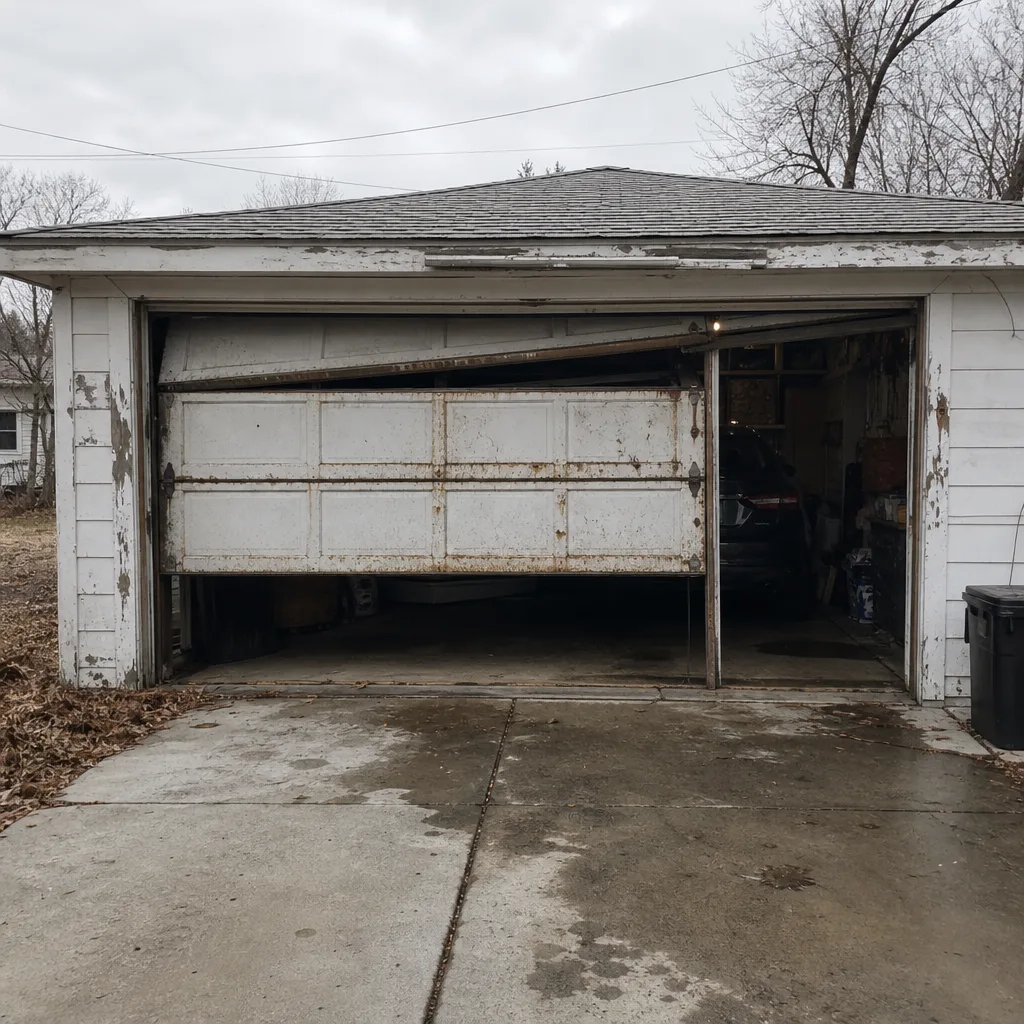 Before
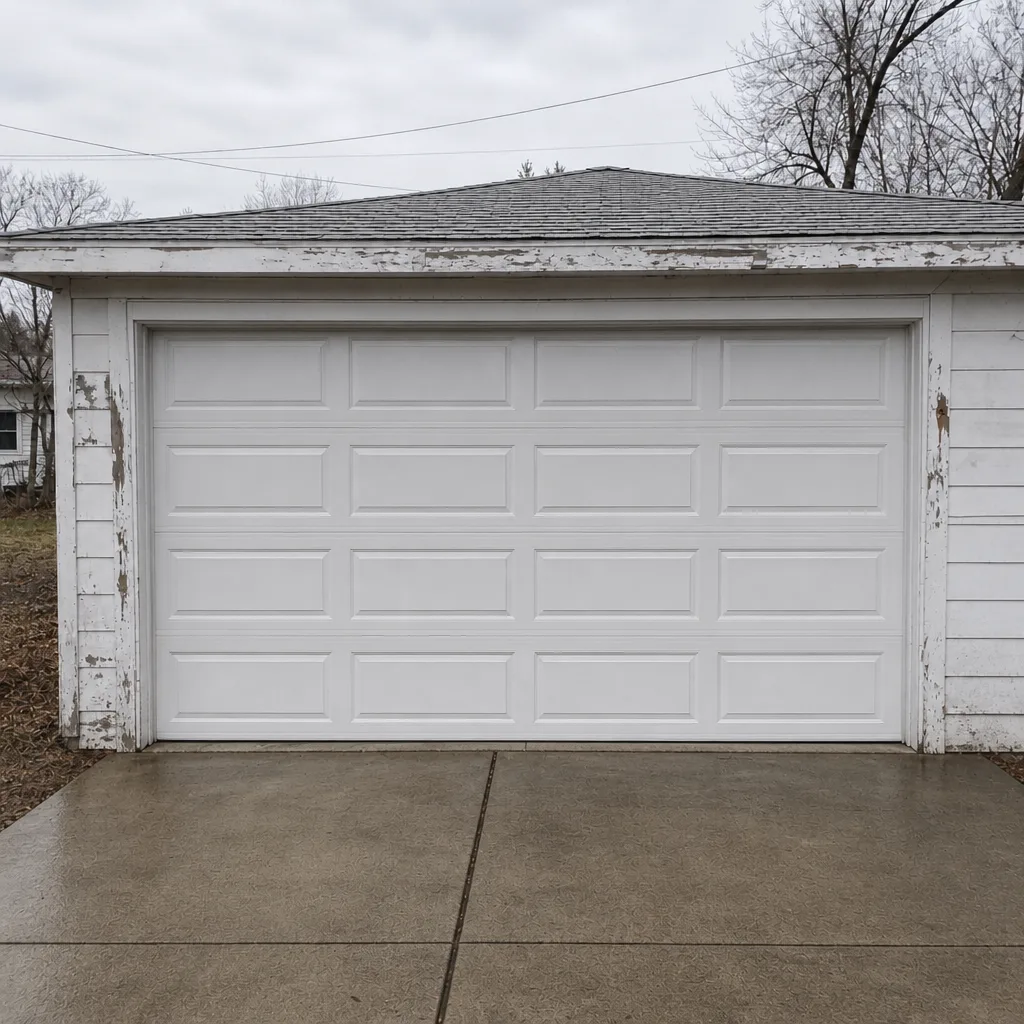 After
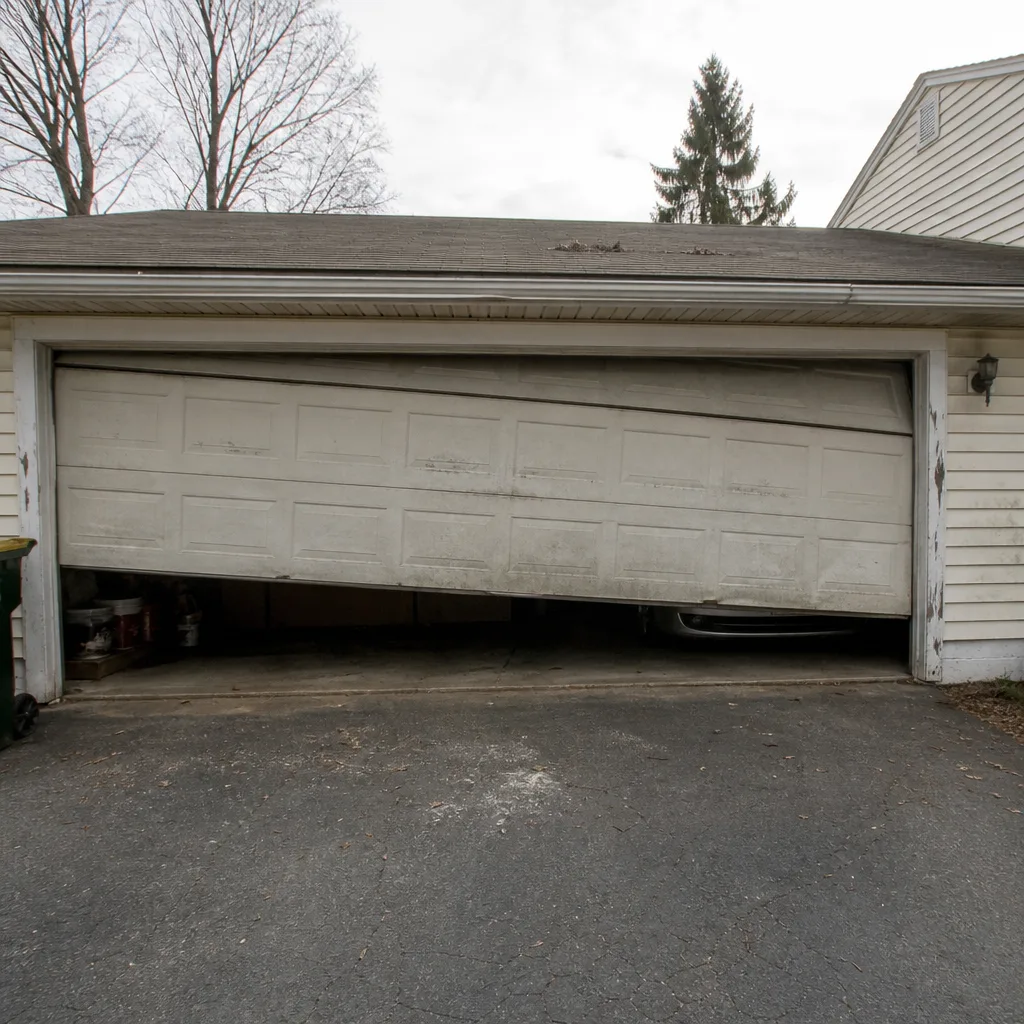 Before
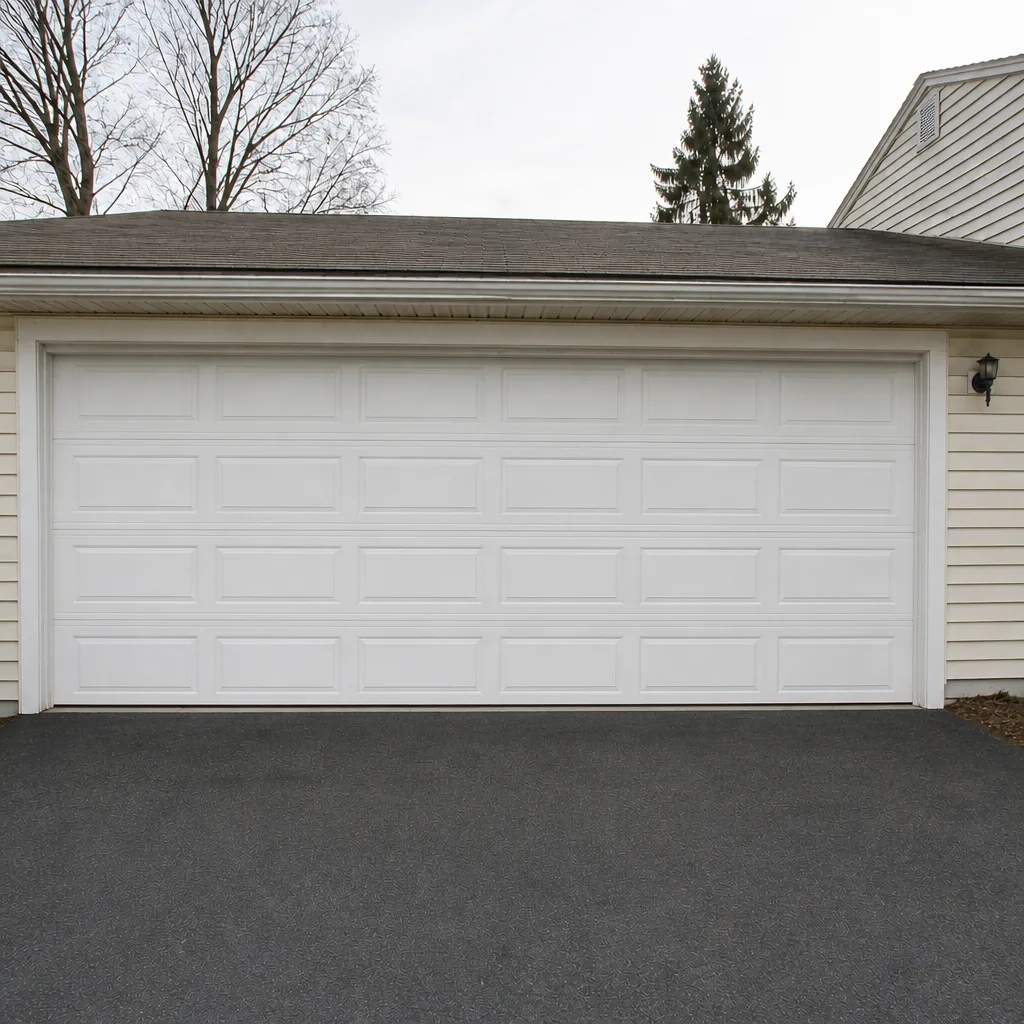 After
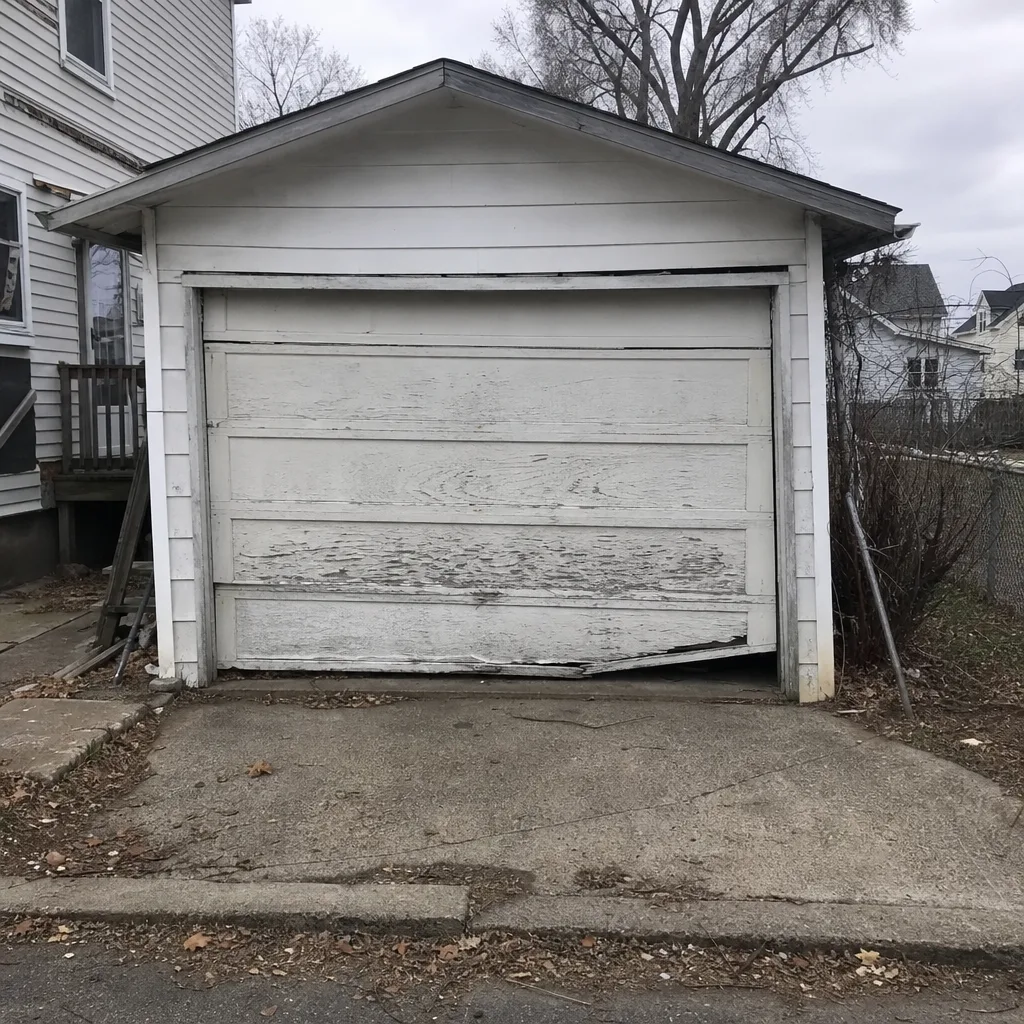 Before
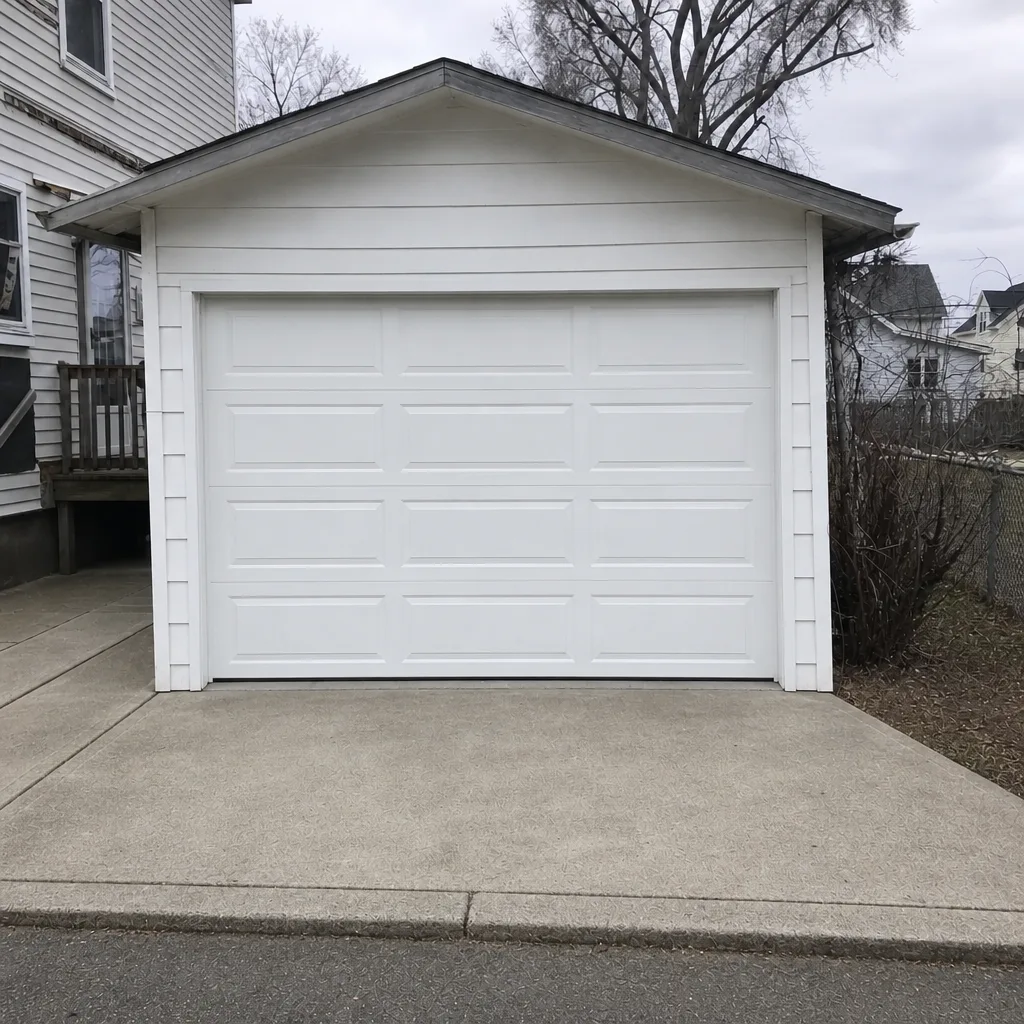 After
When to Call a Professional
Some garage door work is genuinely dangerous and some of it is just not worth doing yourself. Springs that have snapped or are under tension, cables that have slipped a drum, and openers that have failed to reverse on an obstruction all deserve a trained hand. We also see doors that are difficult to judge by eye: a bent track, a panel that’s starting to delaminate, or an opener running on a door that’s too heavy for it. Our technicians have up to 15 years of experience with springs, openers, panels and tracks, and we treat spring repairs as a core service rather than something we refer out. If the door is stuck open, won’t close, or has failed in a way that leaves the home exposed, our standing emergency service is available. If you’re not sure whether a problem is a repair or a replacement, an assessment costs nothing and gives you a path forward. We answer 24/7, and fast dispatch runs from 7am to 7pm, Sunday through Friday.
Frequently Asked Questions
For most Lowell homeowners, Clopay, CHI, Wayne Dalton and Amarr are the best-supported choices because their parts reach the northeast reliably. The right brand depends on your housing type, whether the garage is heated or detached, and how quickly a matching replacement panel could be sourced. Call (866) 605-2979 for an honest recommendation on the specific door and opening you have.
They do, but not for the reasons most comparisons suggest. Insulation material (polyurethane vs polystyrene) and the quality of the perimeter seal and bottom weatherstripping matter more than a brand name in a New England winter. A well-sealed door with mid-range insulation outperforms a higher-R-value door with a leaky seal.
Pricing depends on the brand, gauge, insulation and door size, so the written estimate is the only number that matters. We don’t publish per-brand pricing because the range within each brand is too wide to be useful. Call (866) 605-2979 for a free written estimate on your specific opening; estimates are free and the price is quoted and agreed before any work starts.
We work on the brand already on your garage, including LiftMaster, Chamberlain, Genie, Clopay, Amarr, Wayne Dalton, Craftsman and Raynor. If you’re considering a repair, our garage door repair team can examine the door and identify what’s failing before you decide on a replacement. Call (866) 605-2979 and we’ll talk through what you have.
The local professionals we connect you with are licensed and insured as their state requires. We can’t speak to a specific license number because we don’t represent one person’s credentials. What we can tell you is that the technicians we send are trained on the brands above and have up to 15 years of experience on garage doors specifically. If a license check matters to you, ask your installer before the work begins.
Not if the estimate is written and agreed before work starts. We quote from your description and confirm on site; if anything differs from what you described, we’ll tell you before we begin rather than after. The written estimate sets the final price.
We answer 24/7 and fast dispatch runs from 7am to 7pm, Sunday through Friday. Same-day service is available for urgent issues where the schedule allows. Call (866) 605-2979 and we’ll tell you what’s possible for your door.
The Bottom Line
The best garage door brand for Lowell is not the one with the loudest marketing. It’s the one whose replacement panels can be sourced regionally, whose insulation actually performs in a cold attached garage, whose steel gauge matches your driveway use, and whose warranty holds up when you file a claim. Clopay, CHI, Wayne Dalton and Amarr all have strong footing in Lowell; the right pick comes down to your housing type and your garage configuration. Match the door to the house, read the exclusions in the warranty, and ask any installer how quickly a matching panel can be sourced before you sign.
If you’d rather have a specialist look at your door than weigh brochures, call (866) 605-2979 for a free estimate. We work on the brand already on your garage, and we’ll tell you plainly whether a repair, a panel match, or a new door is the right call. Lowell Garage Door Repair handles repair, opener repair, spring repair, installation and emergency service, all within the garage door category. Estimates are free, the price is quoted and agreed before any work starts, and we answer 24/7 with fast dispatch from 7am to 7pm, Sunday through Friday.
Written by the team at Lowell Garage Door Repair.