
Last updated November 21, 2026
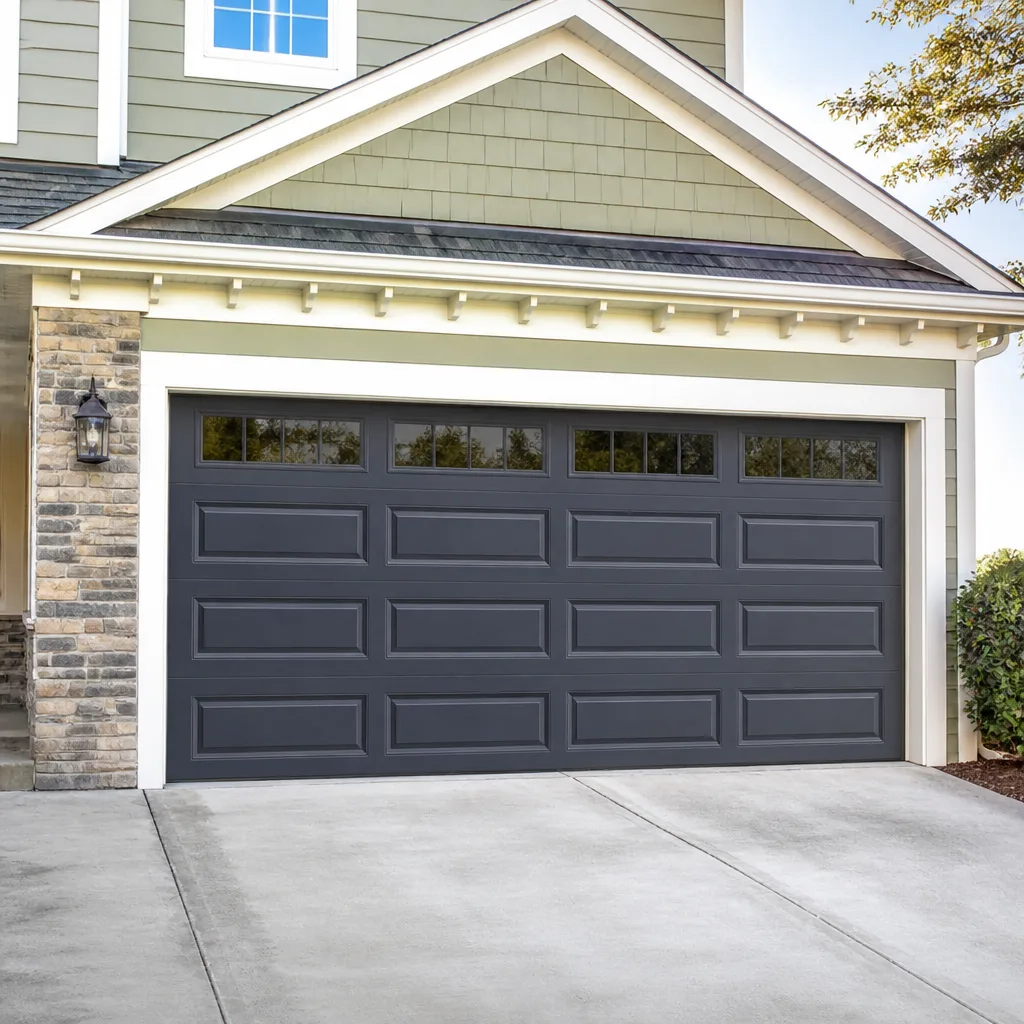 Raised-panel steel
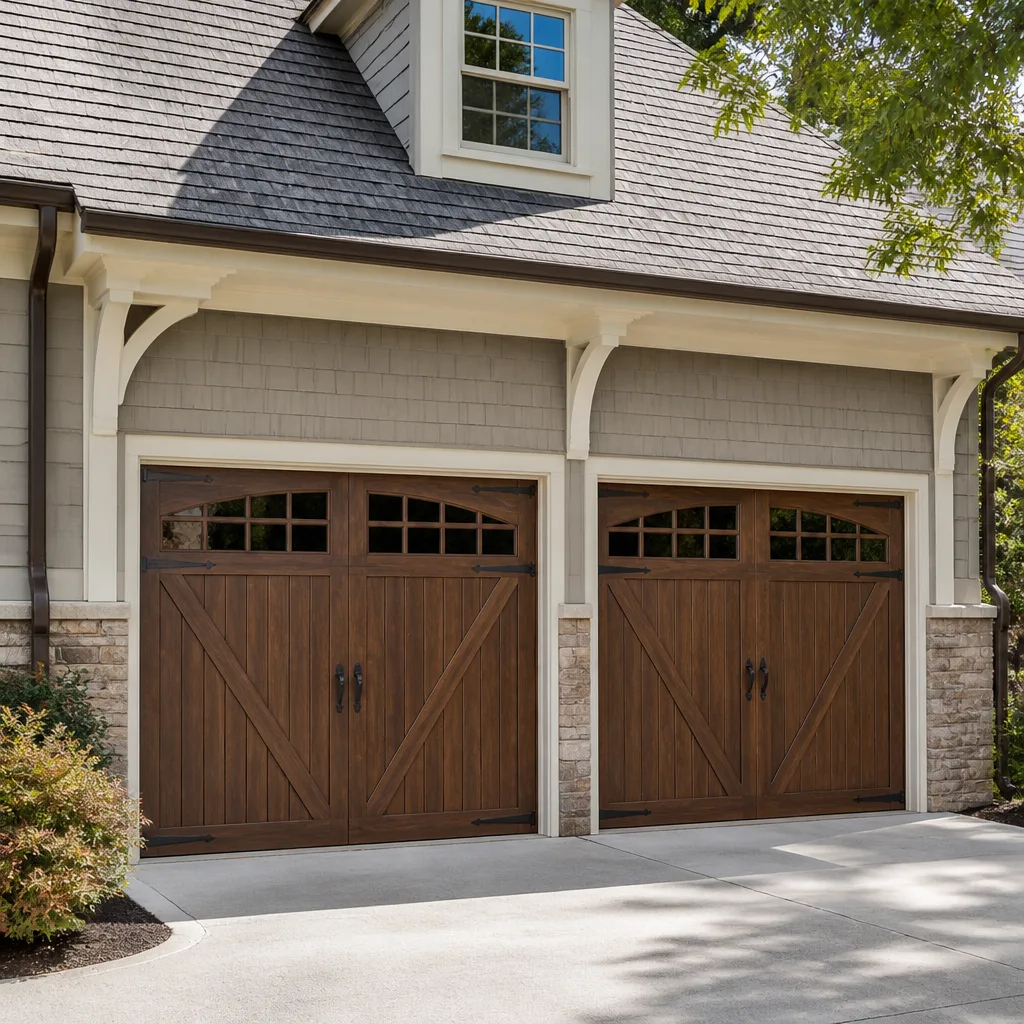 Carriage house
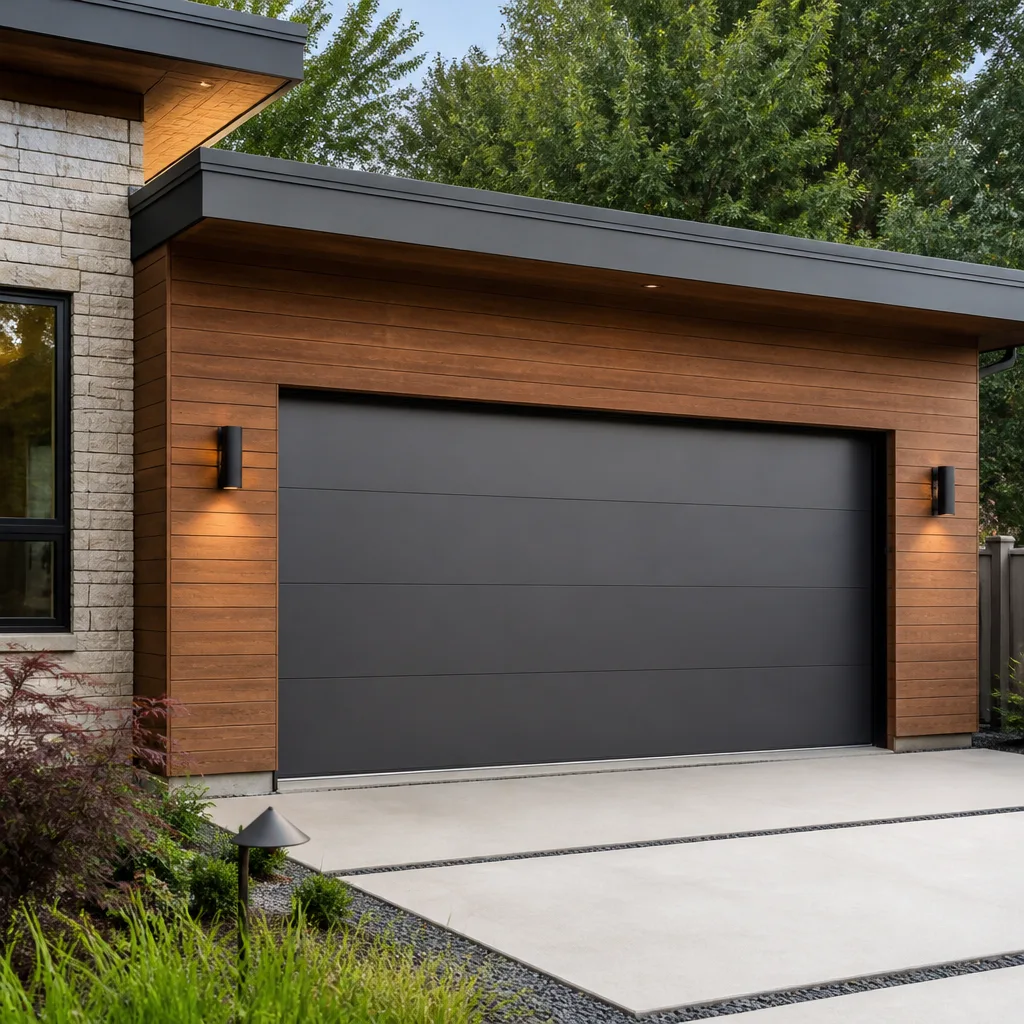 Modern flush
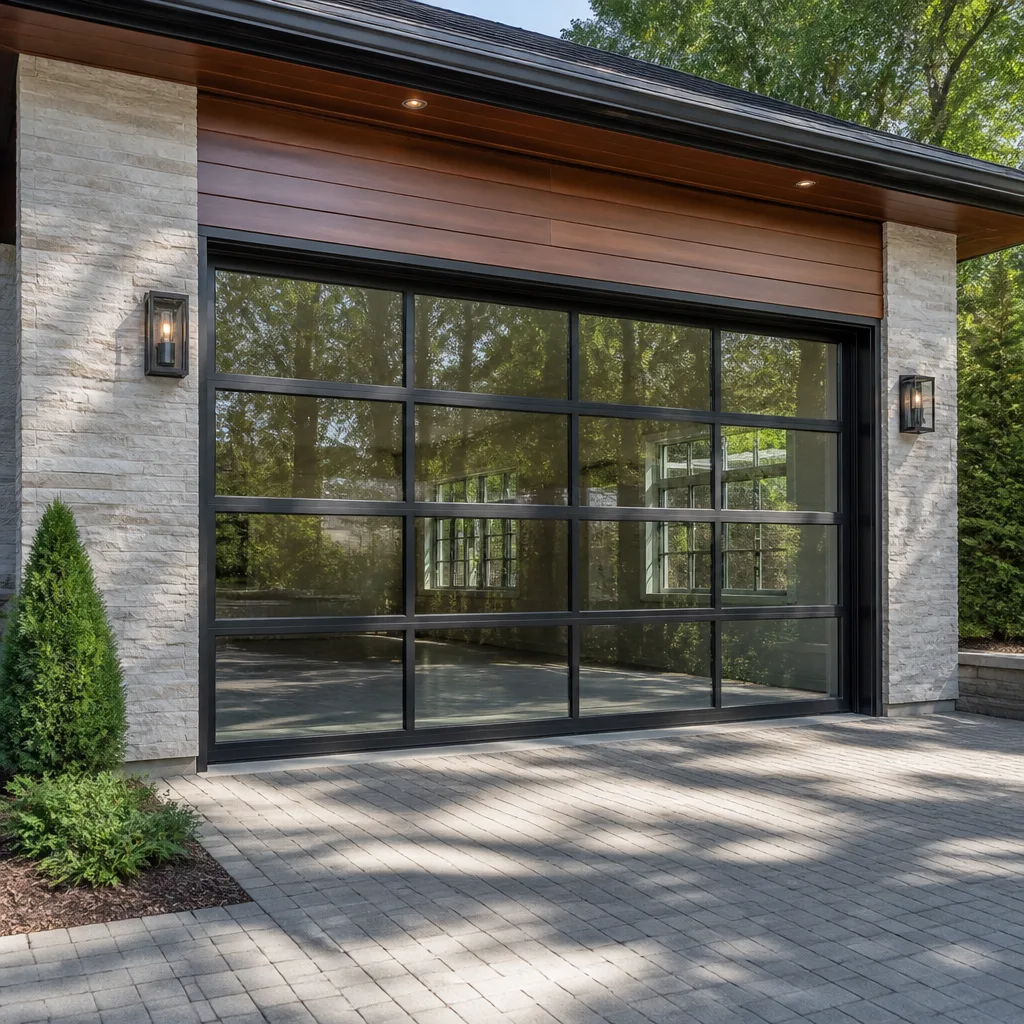 Full-view glass
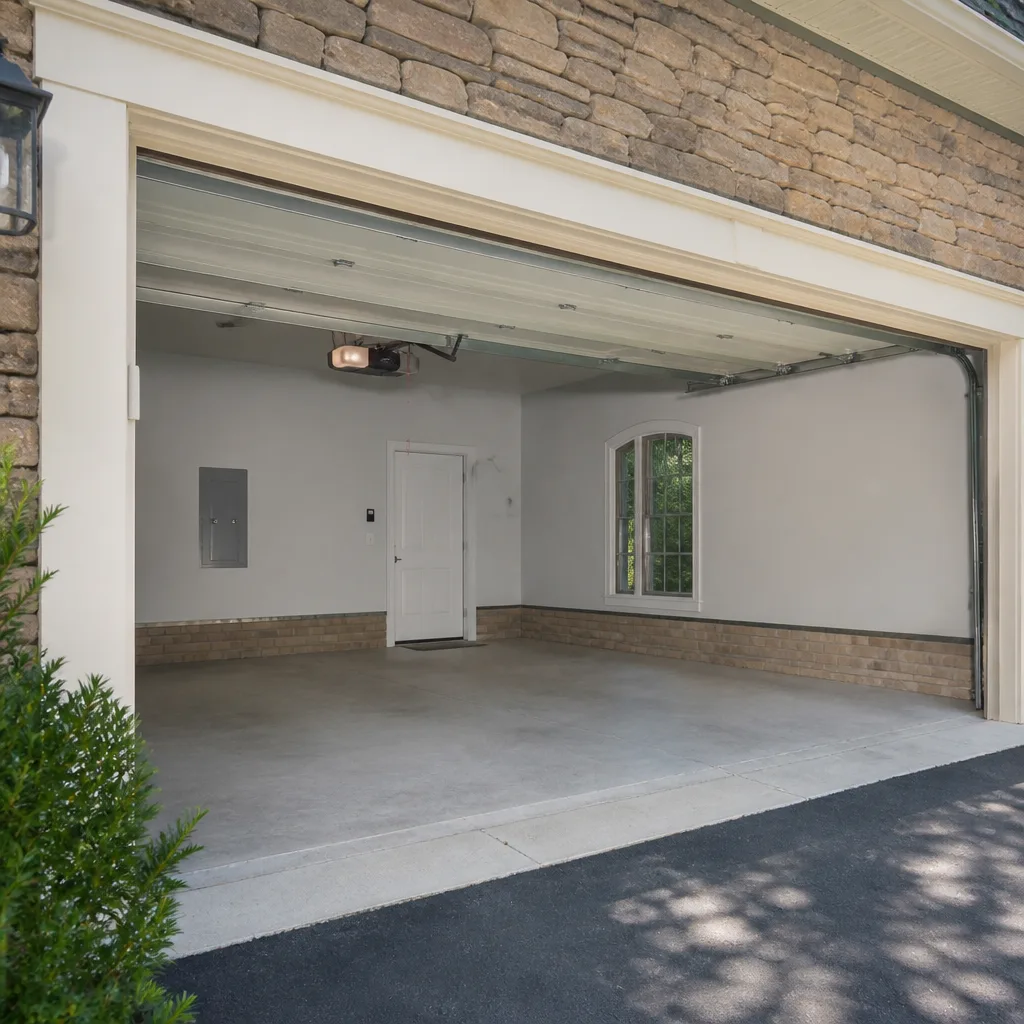 LiftMaster openers
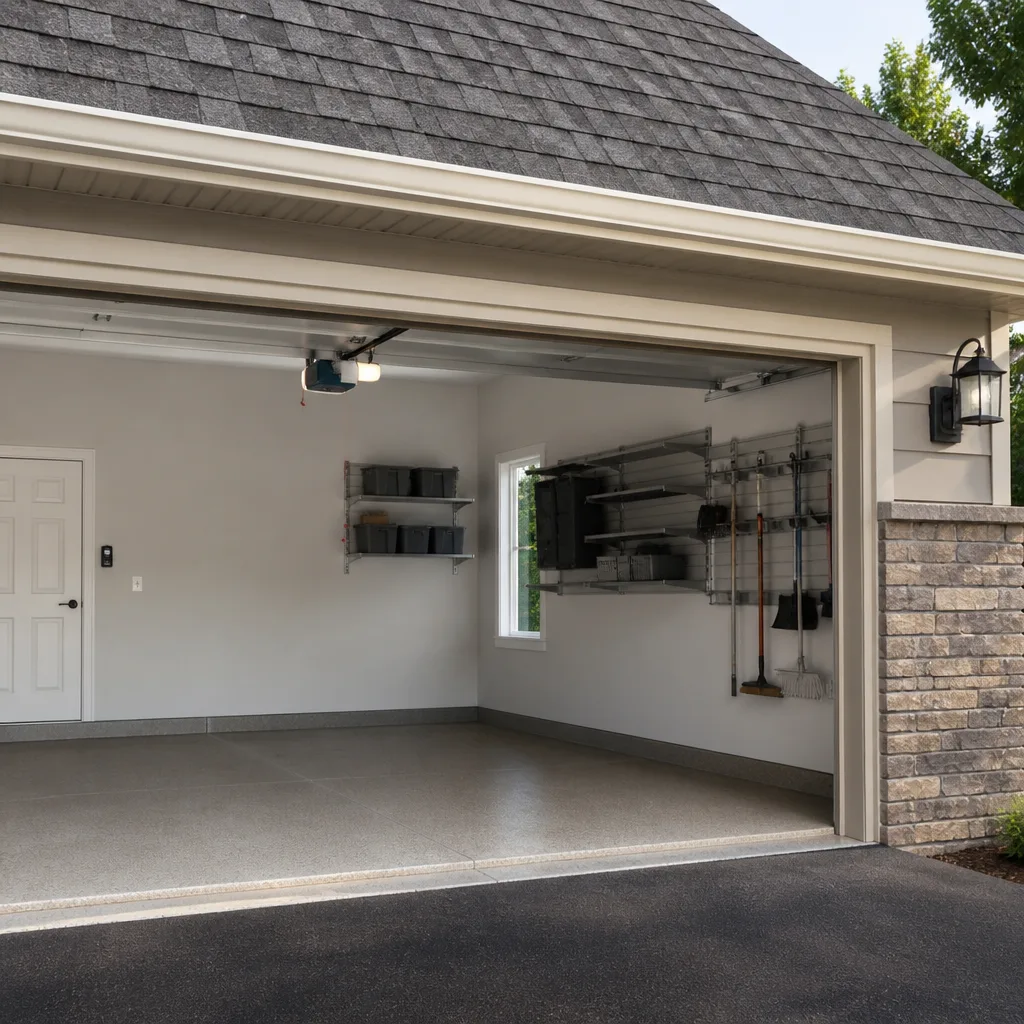 Chamberlain openers
Full 25-point door and opener safety check with every visit - springs, cables, rollers, tracks, and your LiftMaster or Chamberlain opener included
You get a price before we start. It does not change when the pro arrives.
Get your free estimateSeasonal Garage Door Care for Lowell: Year-Round Homeowner’s Guide
Most garage door advice tells you to “check things twice a year” and calls it done. That calendar was written for a mild climate, and it doesn’t match how doors actually age in Lowell. Our busiest stretch isn’t a storm week. It’s late February and early March, when the freeze-thaw cycling that follows the coldest part of winter finishes off springs that were already tired in December, cracks weatherstripping that looked fine in the fall, and warps bottom seals that sat in meltwater for weeks. This guide maps maintenance to the seasons that actually stress your door here, from fall prep through the spring thaw and the humid summer that follows. You’ll learn what to check, when to check it, and what to leave to a trained technician.
Styles & brands we work with
- Raised-panel steel
- Carriage house
- Modern flush
- Full-view glass
- LiftMaster openers
- Chamberlain openers
Quick Answer
Garage door maintenance in Lowell follows the local climate, not a generic twice-a-year schedule. The heavy work happens in fall, before the first hard freeze, and again in early spring, after freeze-thaw cycling has stressed springs, seals, and tracks. Summer is for watching wood and composite doors for humidity warping. Winter is for operating carefully and keeping snow and ice clear of the bottom seal. Springs and cables are dangerous to touch and belong to a trained professional.
Table of Contents
- Why Lowell’s Climate Stresses Garage Doors Differently
- Fall Prep: Force Sensitivity Before the First Freeze
- Winter Operation: Cold, Grease, and the Force Cutoff
- Spring Post-Thaw Inspection Checklist
- Summer Humidity and Wood or Composite Doors
- Winterizing an Attached Garage vs. a Detached Garage
- A Month-by-Month Care Calendar for Lowell
- Common Mistakes to Avoid
- When to Call a Professional
- Frequently Asked Questions
Why Lowell’s Climate Stresses Garage Doors Differently
Garage doors in Lowell live through real seasonal swings. Summers bring humid stretches that swell wood and composite panels. Winters bring hard freezes and repeated thaw cycles, and the ground under a driveway or slab moves as it freezes and thaws. That movement is the quiet cause of a lot of the problems we’re called about: a track that was perfectly aligned in October sits slightly off in March, and a door that ran smoothly all winter starts to bind.
The components that take the beating are predictable:
- Springs. Torsion and extension springs cycle every time the door opens and closes. Cold makes steel less forgiving, and the constant load changes of freeze-thaw season fatigue them faster than steady summer use.
- Bottom weatherstripping and seals. These sit in the wettest, coldest zone. Meltwater refreezes against them, and the flexing cracks them over a season.
- Tracks. Frost heave in a slab floor can shift a track’s alignment by a fraction of an inch, which is enough to make a door drag.
- Cables. Tension changes as hardware expands and contracts. A cable that’s slightly loose in fall can be a real problem by spring.
- Openers. Motors work harder when cold thickens lubricant and seals stiffen, which is why force settings matter more here than in a mild climate.
The neighborhoods where this shows up most are the ones with older housing stock and detached or semi-detached garages: the streets around the Acre, Lower Highlands, and Back Central, plus the older homes off Pawtucketville and Centralville. Those garages tend to be less insulated and more exposed, so the seasonal swing hits harder. A door is the largest moving part of a house, and in Lowell it moves through a wider temperature range than most of the country. That’s why the schedule below is built around the local pattern rather than a generic checklist.
If you’re already noticing a problem and want it looked at, our Lowell Garage Door Repair team handles the full range of door and opener work.
Fall Prep: Force Sensitivity Before the First Freeze
The single most useful thing you can do before temperatures drop in Lowell isn’t lubricating the door. It’s checking and adjusting your opener’s force sensitivity. Here’s why. Standard garage door lubricants thicken as they get cold, and stiff weatherstripping adds resistance too. When the motor has to work harder, it draws more current, and the opener’s safety system reads that as an obstruction. The door reverses or stops. Homeowners often blame the opener, but the real cause is a force setting tuned for summer that no longer fits winter conditions.
Automatic openers have two force-related settings: the up and down force limits, and the travel limits. Both are worth reviewing before the cold arrives. On LiftMaster and Chamberlain units, and on Genie and Craftsman models, the adjustment controls are usually on the motor housing, and the owner’s manual gives the exact procedure. Small changes go a long way. Overcorrecting the force is a safety risk, because a door that pushes too hard won’t reverse properly if something is in the way.
A sensible fall sequence for a Lowell homeowner:
- Test the safety reverse. Put a small object in the door’s path and confirm it reverses on contact. If it doesn’t, stop using the door and have it serviced.
- Review the force settings against your opener manual. If you’re not comfortable adjusting them, a technician can set them correctly.
- Lubricate hinges, rollers, and the torsion spring with a cold-rated product, not a heavy standard grease. Cold-rated lubricant stays workable when the temperature drops.
- Inspect the bottom seal. Replace cracked or flattened weatherstripping before it freezes to the floor.
- Clear gutters and check for water pooling near the door, since fall rain that refreezes at the seal is a common winter problem.
- Look at the springs. If a spring shows visible gaps or a stretched section, have it evaluated before it fails in the cold.
Lubrication still matters, but it’s secondary to force and safety. A well-lubricated door that reverses properly is safe; a quiet door with a bad reverse test is not. If your opener is old, noisy, or can’t hold its settings, it may be time for garage door opener repair before winter makes the problem worse.
Winter Operation: Cold, Grease, and the Force Cutoff
Most standard garage door lubricants start to congeal somewhere below about 20°F, and on the coldest Lowell nights the temperature gets well under that. When grease stiffens, the opener feels more resistance, the motor works harder, and the safety system may shut the door down mid-travel. That’s not a defect. It’s the door telling you the hardware is fighting the cold.
The fix is cold-rated lubricant on hinges and rollers, and a clean, dry door. A few operational habits make a real difference in winter:
- Don’t force a frozen door. If the door is stuck to the floor or the ice, clear the ice first. Forcing it can strip gears or damage the bottom panel.
- Keep the bottom seal clear of snow and ice. A buildup at the threshold is a leading cause of winter opener strain.
- Clear snow away from the door and the tracks after a storm, and avoid piling it against the panels.
- Watch for a door that reverses on its own. This usually points to a force setting or a cold-stiffened seal, and it’s worth checking before it becomes a nightly annoyance.
- Use the manual release sparingly. Knowing how to disengage the opener is useful, but re-engaging it correctly matters for safety and the opener’s travel limits.
One safety note that matters year-round, but especially in winter: torsion springs and the cables under them are under extreme tension. Never try to adjust, tighten, or replace them yourself. A trained technician uses the right winding bars and knows the safe procedure. If a spring breaks in the cold, that’s a job for a professional, and garage door spring repair is one of our core services for that reason.
When a door won’t close, is stuck open, or becomes a security concern in the cold, our emergency service is a standing offering. We answer 24/7, with fast dispatch from 7am to 7pm, Sunday through Friday. A call outside dispatch hours is booked into the next opening.
Spring Post-Thaw Inspection Checklist
Early spring is when the freeze-thaw cycle does its damage, and it’s the most important inspection of the year for a Lowell door. The ground moves, meltwater runs, and everything that was borderline in December gets tested. This is the inspection to do once the snow is gone and the ground has settled.
- Bottom weatherstripping. Run your hand along the bottom seal. Look for cracks, tears, flattening, or separation from the door. This is the first component to fail after a freeze-thaw winter, and it lets water, cold air, and pests in.
- Track alignment. Open and close the door and watch the rollers. If they bind, jump, or the door scrapes, the track may have shifted from frost heave in the slab. Tracks are adjustable, but a misalignment that keeps returning points to a foundation or slab issue worth knowing about.
- Cable tension. Look for cables that hang loose, appear frayed, or are visibly uneven side to side. Don’t touch them; note their condition for a technician.
- Spring condition. Look for gaps in the coils, a stretched section, or a spring that’s no longer level. A broken spring usually shows as a door that won’t stay up or an opener that strains.
- Panel and seal condition. Check for rust at the bottom edge, warping, or a panel that no longer sits flush. Moisture from the thaw accelerates rust along the bottom edge.
- Safety reverse test. Repeat the fall test. A door that passed in October can fail after a winter of stressed hardware.
- Opener performance. Listen for grinding, straining, or a door that stops short of fully open or closed. Note any change.
Spring is also the right time to schedule a full garage door repair visit if you’ve spotted more than one issue on this list. Several small problems after a hard winter usually point to one underlying cause, and it’s cheaper to fix them together than one at a time.
Summer Humidity and Wood or Composite Doors
Lowell summers are humid enough to affect wood and composite garage doors in ways metal doors don’t experience. Wood absorbs moisture and swells; as it swells, panels can warp, and a warped panel can start binding against the track. The challenge is that by the time the binding is obvious, the warping has often been developing for weeks.
Watch for these early signs:
- Panels that no longer sit flush with their neighbors or the frame.
- Paint or finish that’s peeling, blistering, or lifting, especially along the bottom edge or joints.
- A door that runs tight in humid weather and looser in dry spells.
- Gaps at the bottom or sides that open up over the summer.
- Visible cracks at joints, where moisture gets in and does more damage.
Catching warping early is the difference between a refinishing job and a full replacement. If the door’s structure is sound and the warping is surface-level, sanding and refinishing can restore the door and protect it through the next humid season. If panels are actually distorted, refinishing won’t fix the binding, and the door may need replacement. A Clopay or Amarr composite door handles humidity better than solid wood, but even those benefit from a weather-tight finish and a properly sealed bottom edge.
If you’re not sure whether a warped panel can be saved, our installation team can give you a straight answer with a free measure and a written price. On a new door or a replacement, we measure, order, and schedule the work. We don’t promise same-day installation, because a proper job depends on the door arriving first.
Winterizing an Attached Garage vs. a Detached Garage
Not all garages in Lowell are built the same way, and the difference changes what your door needs in winter. An attached garage shares a wall with the house. That wall is usually insulated, and some heat leaks through, which keeps the garage a little warmer than the outside air. A detached garage has no shared wall, so it track the outside temperature closely. The same door behaves very differently in each setting.
Attached garages
Older Lowell homes often have attached garages with a shared wall that isn’t fully insulated, especially in the triple-deckers and older single-families around the Acre and Lower Highlands. If warm, moist air from the house reaches the garage, it can condense on a cold door or frame and freeze, and that condensation is hard on wood and metal alike. The practical steps are to seal air leaks between the house and garage, check that the shared wall is insulated where it meets the door frame, and make sure the garage has some ventilation so moisture can escape. A door that ices up on the inside in an attached garage usually points to that warm, moist air problem, not a door defect.
Detached garages
A detached garage sees the full cold. The door operates in near-outside temperatures, springs are stiffer, lubricant congeals faster, and the bottom seal is more likely to freeze to the floor. For detached garages, cold-rated lubricant matters more, the force setting needs more attention, and keeping the bottom seal clear of ice is a weekly habit through the coldest months. If the garage isn’t heated, an insulated door and a good bottom seal are the most effective upgrades for winter reliability. A Wayne Dalton or Clopay insulated model made for colder climates is worth considering when it’s time to replace an old door.
Either way, the shared-wall and temperature differences in Lowell’s older housing stock are a good reason to have your specific setup looked at rather than following a one-size schedule. Our technicians have up to 15 years of experience working with the actual hardware in local garages, and we’re familiar with how these doors perform through a real Lowell winter.
A Month-by-Month Care Calendar for Lowell
Here’s how the seasonal work breaks down across the year. It’s built for the local climate, so it leans heavier on fall and spring than a generic schedule.
- September-October: Test safety reverse, review opener force settings, switch to cold-rated lubricant, inspect the bottom seal, and clear debris and water away from the door.
- November: Final pre-freeze check. Confirm the door opens and closes cleanly, look for any visible spring wear, and make sure the opener holds its travel limits in cooler weather.
- December-February: Winter operation. Clear snow and ice from the threshold and tracks, keep the bottom seal free, and watch for a door that reverses on its own or strains to open. Don’t force a frozen door.
- March-April: Post-thaw inspection. Check bottom weatherstripping, track alignment, cable tension, spring condition, and panel rust. This is the most important inspection of the year.
- May-June: Summer prep. Inspect wood and composite doors for early warping and finish damage, refinish if needed, and clean and lubricate hinges and rollers.
- July-August: Humidity watch. Look for panels that stop sitting flush, a door that binds in humid weather, and gaps opening at the bottom or sides.
Two of these slots are worth flagging on a calendar. The fall force-sensitivity check and the spring post-thaw inspection are where most of the value sits. The rest is monitoring and quick fixes you can do safely yourself.
Common Mistakes to Avoid
- Relying on a heavy standard grease in winter. It congeals in the cold and trips the safety cutoff far more often than homeowners expect. Use a cold-rated lubricant instead.
- Over-adjusting the opener force to compensate for a stiff door. More force makes the door push harder, and that defeats the safety reverse. Fix the underlying resistance, not just the setting.
- Skipping the spring post-thaw inspection. In Lowell, this is the inspection that catches freeze-thaw damage before it becomes a failed spring or a misaligned track. A door that ran fine all winter can be a problem by April.
- Touching torsion springs or cables yourself. These are under extreme tension and are the most dangerous part of the door. Leave spring and cable work to a trained technician with the right tools.
- Ignoring a cracked bottom seal because the door still opens. A failing seal lets in water, cold air, and pests, and it freezes to the floor in winter, which puts stress on the whole opener.
- Assuming a warped wood door can always be refinished. Surface warping can be saved; structural warping that causes binding usually can’t. Catching it early is what keeps a refinishing job from turning into a replacement.
- Forcing a frozen door open. It strips gears and damages panels, and it’s a problem far easier to prevent than to repair.
When to Call a Professional
Some seasonal care is safe for a homeowner. Lubricating hinges, clearing ice, testing the safety reverse, and watching for warping are all things you can do. But some situations call for a trained technician, and knowing the line matters. Call us when a spring is broken or visibly worn, when cables look loose or frayed, when a track won’t stay aligned after a frost heave, when the door reverses on its own or won’t stay closed, or when a wood or composite door is warping enough to bind. Any door that’s become a security concern, stuck open or won’t close, qualifies for our emergency service. We answer 24/7, with fast dispatch from 7am to 7pm, Sunday through Friday.
Lowell Garage Door Repair offers free estimates in Lowell. Call (866) 605-2979. The price is quoted and agreed before any work starts, so you’ll know the number before the job begins.
Frequently Asked Questions
Twice a year is the baseline, but the timing matters more than the count here. Schedule one service in fall, before the first hard freeze, and one in early spring, right after the freeze-thaw season. The spring visit catches the damage that winter does, and the fall visit sets the door up to survive it.
Cold weather usually causes this because the grease thickens, the seals stiffen, and the opener’s safety system reads the extra resistance as an obstruction. It can also happen when the force setting was tuned for summer. Cold-rated lubricant and a properly set force limit usually solve it, though a worn spring or a stiff seal can be a contributing cause. If the problem keeps returning, call (866) 605-2979 for a free estimate.
Yes, for hinges, rollers, and the torsion spring, using a cold-rated lubricant. Don’t try to adjust or lubricate anything under tension, and never touch the cables. Lubrication is a safe homeowner task; spring and cable work is not.
Check the bottom weatherstripping for cracks and flattening, the track alignment for binding or scraping, the cable tension for looseness or fraying, the springs for gaps or stretch, the bottom panel edges for rust, and rerun the safety reverse test. These are the components most affected by freeze-thaw cycling, and early spring is the time to catch them.
If the door is warped, rusting along the bottom edge, or no longer seals, replacing it before winter is usually the better long-term choice, especially with an insulated model for a detached garage. If the door’s structure is sound and the problems are surface-level, repair is often the smarter call. We’ll give you a written price on both, free, and you can decide.
Yes. Wood and composite doors absorb summer humidity and can warp, and they take on moisture in the thaw. Keep the finish intact, watch for panels that stop sitting flush, and refinish early before warping causes binding. Clopay and Amarr composite doors handle humidity better than solid wood, but they still benefit from a weather-tight finish.
The Bottom Line
Garage door care in Lowell is really about the two seasonal pressure points: the fall stretch, before the first hard freeze, and early spring, after the freeze-thaw cycle has done its work. Fall means checking force sensitivity before you lubricate, switching to cold-rated lubricant, and sealing the bottom edge. Spring means the post-thaw inspection: bottom weatherstripping, track alignment, cable tension, spring condition, and a fresh safety reverse test. Summer is for watching wood and composite doors for early warping, and winter is for operating carefully and keeping ice away from the seal. Springs and cables belong to a trained professional. Everything else, you can mostly handle with a calendar and a good checklist.
When the door needs more than a checklist, Lowell Garage Door Repair is here. We service LiftMaster, Chamberlain, Genie, Clopay, Amarr, Wayne Dalton, Craftsman, and Raynor equipment, and we handle springs, openers, repairs, installations, and emergencies. Your garage door is your home’s largest moving part, and springs, openers, panels, and tracks are all one call. Call (866) 605-2979 for a free estimate. We answer 24/7, with fast dispatch from 7am to 7pm, Sunday through Friday. The price is quoted and agreed before any work starts, so you’ll know exactly what you’re paying and why.
Written by the team at Lowell Garage Door Repair.
See the difference
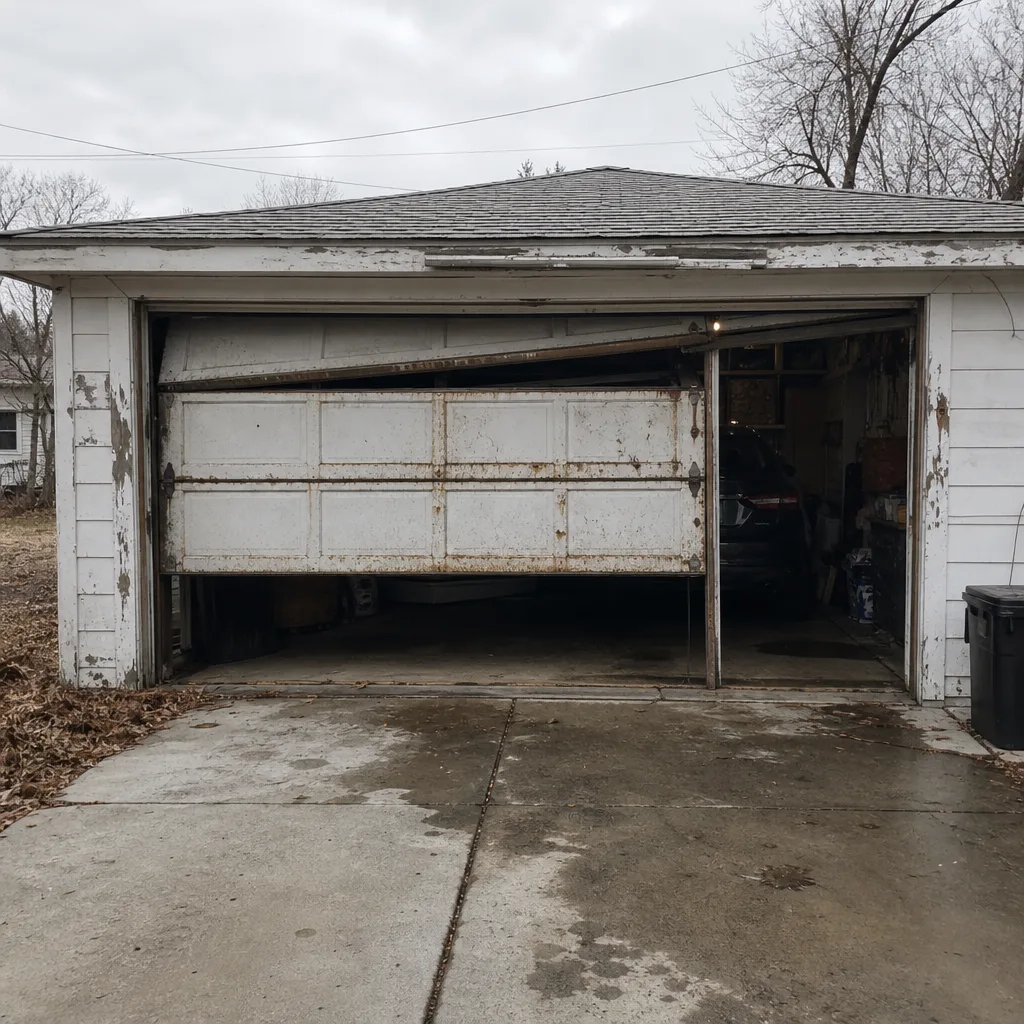 Before
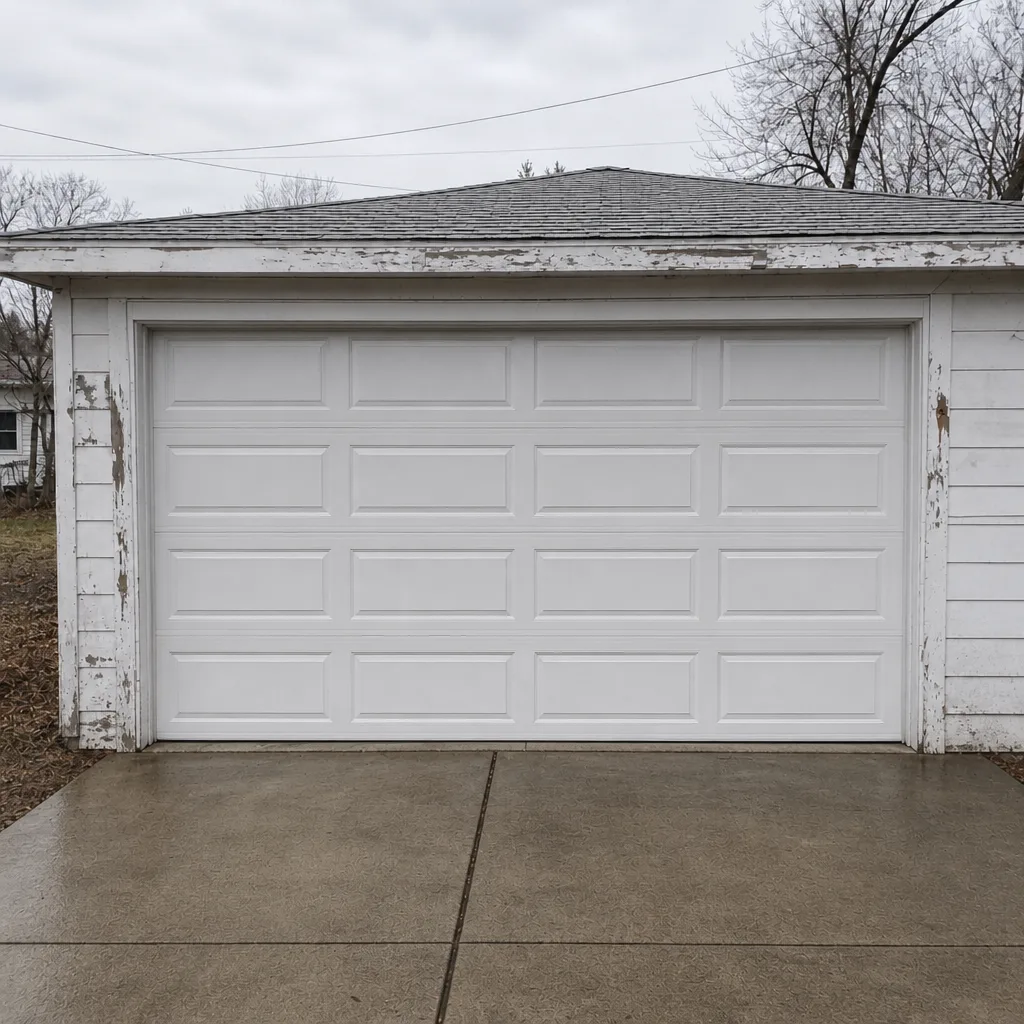 After
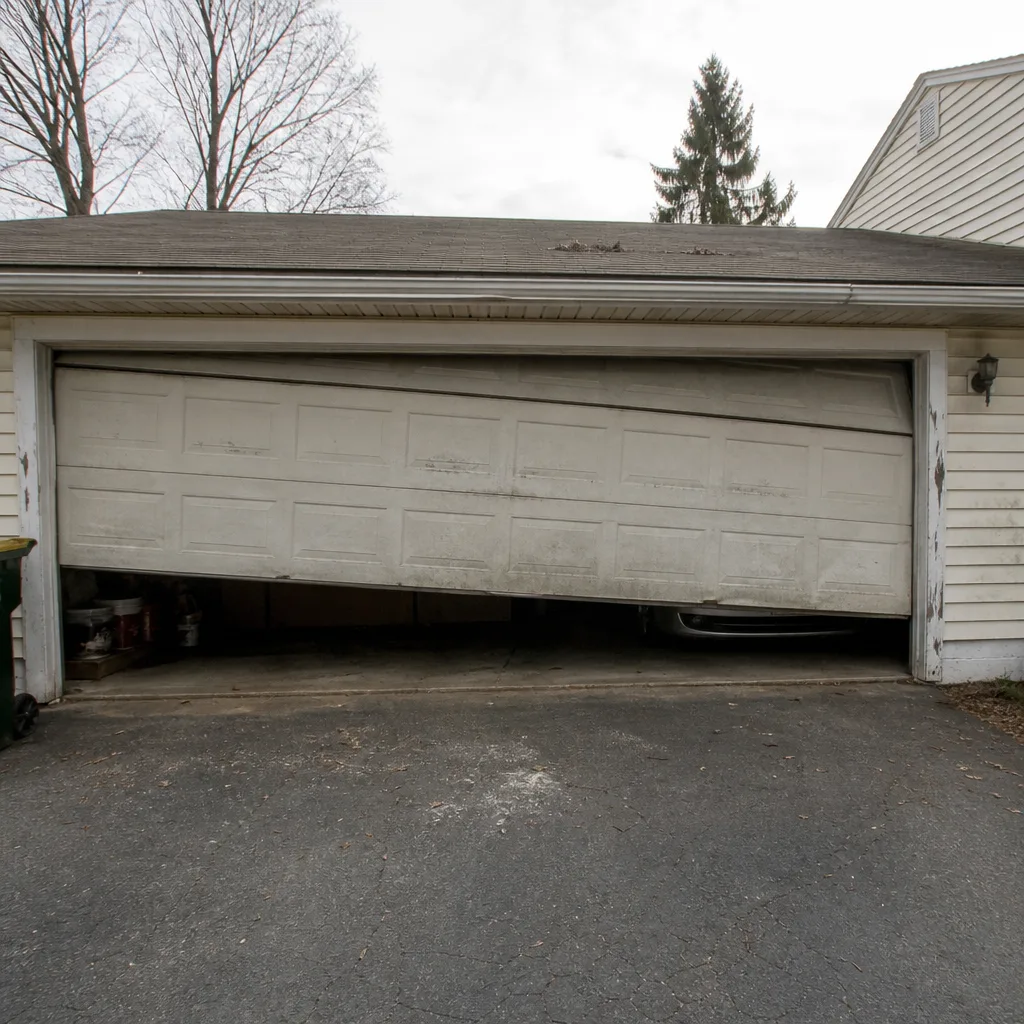 Before
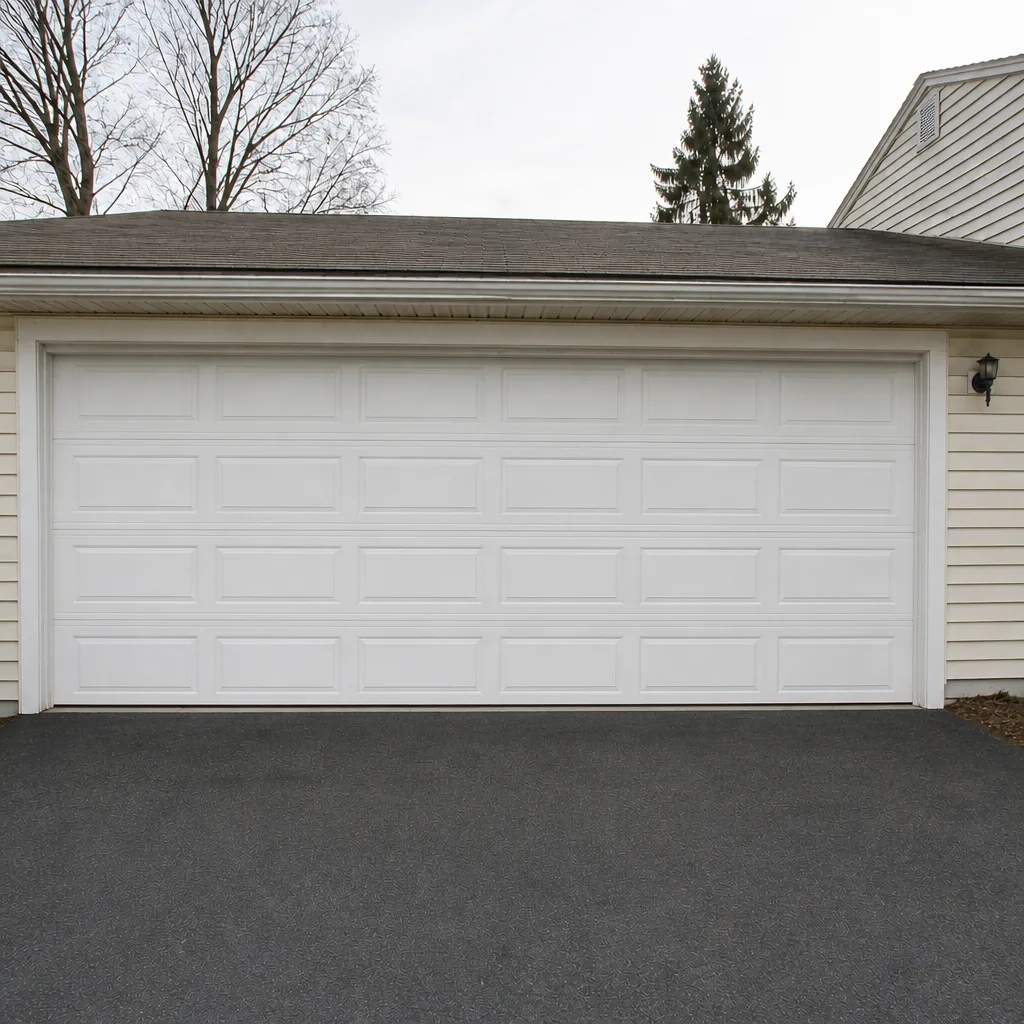 After
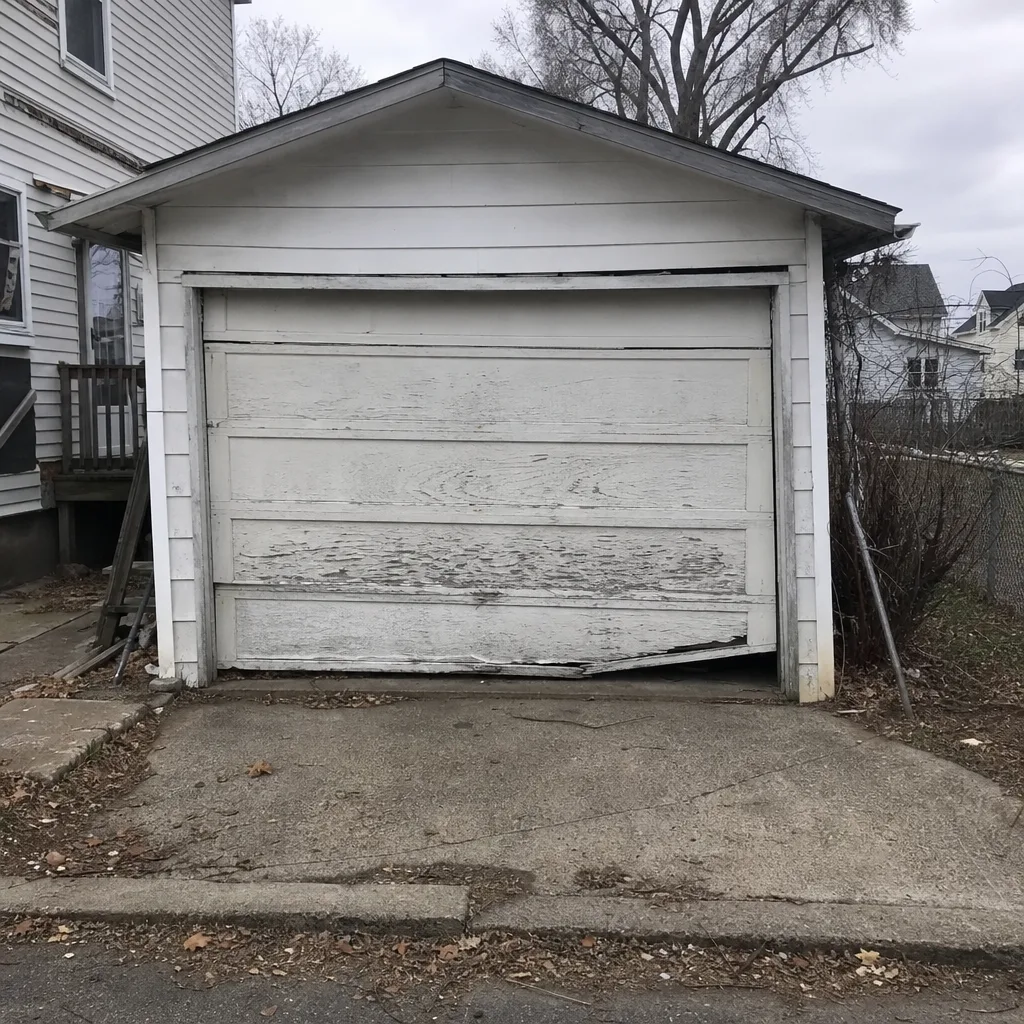 Before
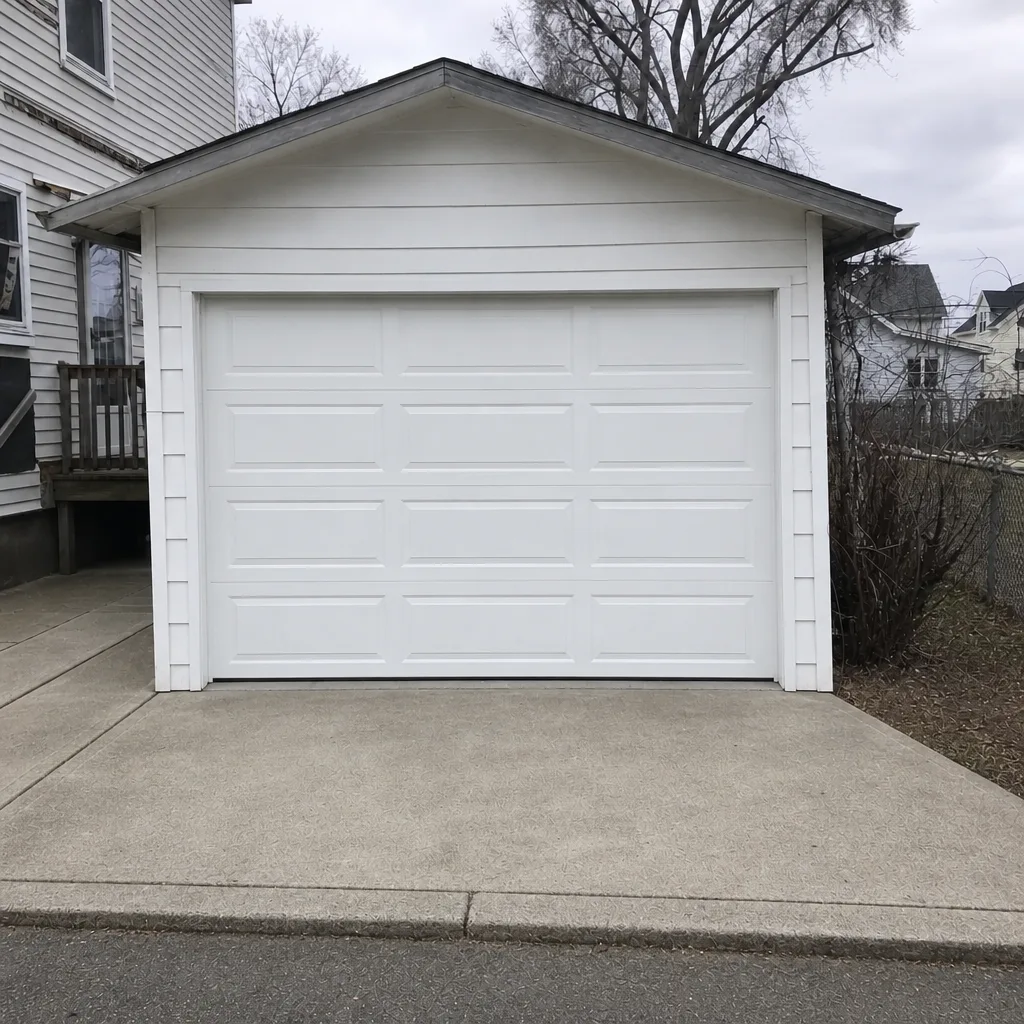 After